
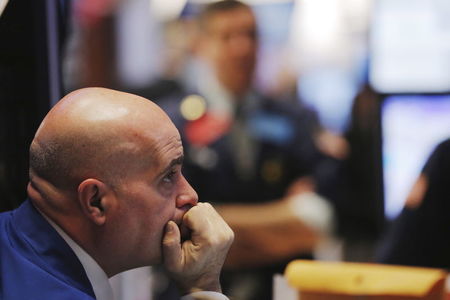
Kospi Index rebounds 5.4% amid softer investor confidence
#Kospi Index #rebound #investor confidence #stock market #volatility #economic uncertainty #South Korea
📌 Key Takeaways
- Kospi Index rebounds 5.4% after recent declines
- Investor confidence remains soft despite the recovery
- Market volatility reflects ongoing economic uncertainties
- The rebound suggests potential short-term stabilization
🏷️ Themes
Market Recovery, Investor Sentiment
📚 Related People & Topics

South Korea
Country in East Asia
South Korea, officially the Republic of Korea (ROK), is a country in East Asia. It constitutes the southern half of the Korean Peninsula and borders North Korea along the Korean Demilitarized Zone, with the Yellow Sea to the west and the Sea of Japan to the east. South Korea claims to be the sole le...
Entity Intersection Graph
Connections for South Korea:
Mentioned Entities
Deep Analysis
Why It Matters
This significant rebound in South Korea's benchmark Kospi index matters because it signals potential stabilization in one of Asia's most important financial markets after recent volatility. It affects domestic and international investors who hold Korean stocks, Korean companies seeking capital, and the broader Asian economic outlook. The recovery amid 'softer investor confidence' suggests underlying market resilience despite ongoing economic uncertainties, which could influence investment decisions across emerging markets.
Context & Background
- The Kospi (Korea Composite Stock Price Index) is South Korea's primary stock market index, tracking about 900 companies listed on the Korea Exchange.
- South Korean markets have experienced volatility in recent years due to global inflation pressures, interest rate hikes, and geopolitical tensions in the region.
- The Bank of Korea has maintained a relatively hawkish monetary policy stance compared to some other central banks, keeping interest rates elevated to combat inflation.
- Foreign investor sentiment toward Korean markets often fluctuates with global risk appetite, currency movements, and semiconductor industry cycles given Korea's tech-heavy market composition.
- Previous Kospi declines have been attributed to concerns about China's economic slowdown, export weaknesses, and domestic consumption challenges.
What Happens Next
Analysts will monitor whether this rebound sustains through the coming trading sessions or represents a temporary relief rally. Upcoming economic data releases, particularly inflation figures and export statistics, will test market momentum. The Bank of Korea's next monetary policy meeting (typically monthly) will be closely watched for any signals about interest rate adjustments that could further influence market direction.
Frequently Asked Questions
Kospi rebounds often follow oversold conditions where valuations become attractive, positive corporate earnings surprises, or supportive government policy announcements. Foreign investor inflows and improved global risk sentiment, particularly regarding technology sectors, also frequently drive recoveries in Korea's stock market.
Kospi movements impact ordinary South Koreans through pension funds and retirement accounts heavily invested in domestic stocks. Market performance also influences business investment decisions, job creation, and overall economic confidence that affects consumer spending and housing markets.
Investor confidence remains 'softer' because the rebound likely follows significant previous declines, indicating lingering concerns about economic fundamentals. Mixed economic indicators, geopolitical risks, and uncertainty about global monetary policy continue to temper full bullish sentiment despite the technical recovery.
The Kospi is generally more volatile than Japan's Nikkei but often shows stronger correlation with Taiwan's market due to both economies' heavy reliance on technology exports. Compared to China's markets, the Kospi typically has more foreign investor participation and different regulatory influences.
Technology sectors, particularly semiconductors and electronics, probably led the rebound given their heavy weighting in the Kospi. Financial stocks may have contributed as well if investors anticipated potential interest rate changes, while automotive and battery makers could have gained on improved export outlooks.