
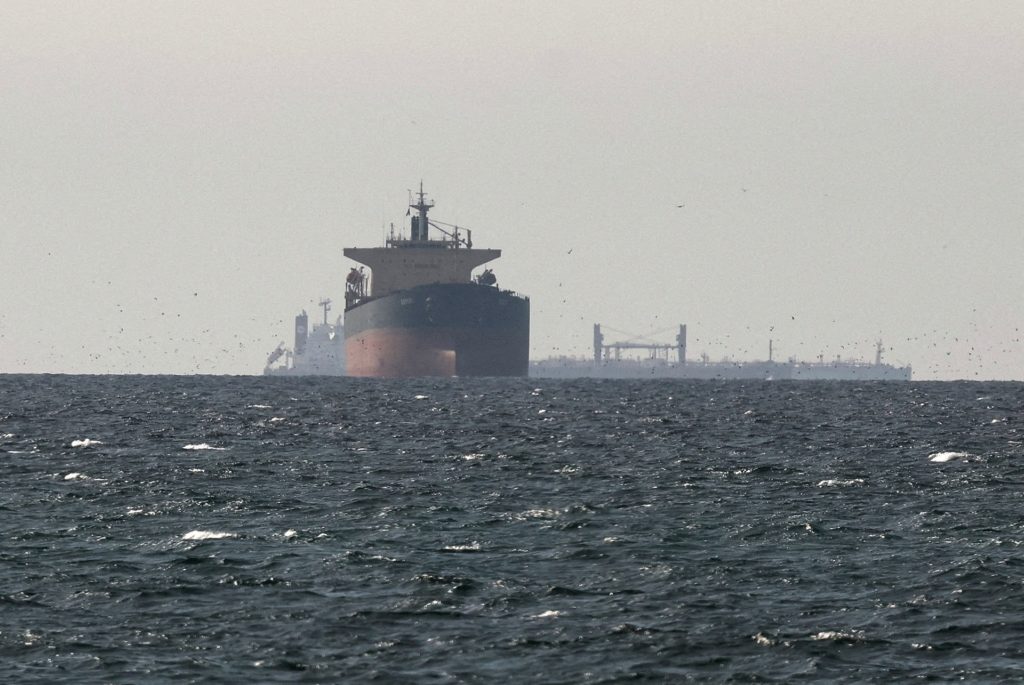
LA port chief on how the Iran war is impacting global trade
#Iran war #global trade #Port of LA #shipping disruptions #supply chain #freight rates #maritime security
📌 Key Takeaways
- The Iran war is causing significant disruptions to global shipping routes and schedules.
- Increased insurance costs and security measures are affecting freight rates and delivery times.
- The Port of LA is experiencing delays and rerouting of vessels to avoid conflict zones.
- Supply chain resilience is being tested, prompting calls for diversified trade routes.
📖 Full Retelling
🏷️ Themes
Geopolitical Conflict, Supply Chain Disruption
📚 Related People & Topics
List of wars involving Iran
This is a list of wars involving the Islamic Republic of Iran and its predecessor states. It is an unfinished historical overview.

Port of Los Angeles
Harbor in Los Angeles, California
The Port of Los Angeles is a seaport managed by the Los Angeles Harbor Department, a unit of the City of Los Angeles. It occupies 7,500 acres (3,000 ha) of land and water with 43 miles (69 km) of waterfront and adjoins the separate Port of Long Beach. Promoted as "America's Port", the port is locate...
Entity Intersection Graph
Connections for List of wars involving Iran:
Mentioned Entities
Deep Analysis
Why It Matters
This news matters because the Port of Los Angeles is the busiest container port in the Western Hemisphere, handling approximately 40% of all containerized imports to the United States. Disruptions in global trade routes due to the Iran conflict affect shipping costs, delivery timelines, and consumer prices worldwide. The analysis from LA's port chief provides critical insights for businesses, policymakers, and consumers who depend on stable global supply chains.
Context & Background
- The Port of Los Angeles has been a critical trade gateway since its establishment in 1907, handling over $294 billion in trade annually.
- Iran controls the Strait of Hormuz, a vital maritime chokepoint through which about 20% of global oil trade passes.
- Recent conflicts in the Middle East have previously caused shipping insurance premiums to spike and forced vessels to reroute, adding weeks to transit times.
- Global supply chains are still recovering from pandemic-era disruptions, making them particularly vulnerable to new geopolitical shocks.
What Happens Next
Shipping companies will likely announce new surcharges for Middle East routes in the coming weeks. Expect increased monitoring of alternative trade routes around Africa's Cape of Good Hope. The U.S. Maritime Administration may issue new security advisories for vessels transiting the region within the next month.
Frequently Asked Questions
Conflict disrupts key Middle Eastern shipping lanes, forcing vessels to take longer alternative routes that increase fuel costs and delay deliveries. This creates bottlenecks at major ports like LA as arrival schedules become unpredictable.
Yes, increased shipping costs typically get passed along to consumers through higher prices for imported goods. The impact may be most noticeable on electronics, clothing, and other products shipped from Asia through affected routes.
Ships can reroute around Africa's southern tip, adding 7-14 days to Asia-Europe voyages. Some cargo may shift to air freight for time-sensitive goods, though at significantly higher costs.
Companies are raising war risk insurance premiums, implementing additional security measures, and adjusting schedules to account for potential delays. Some are considering temporary surcharges to cover increased operational costs.