
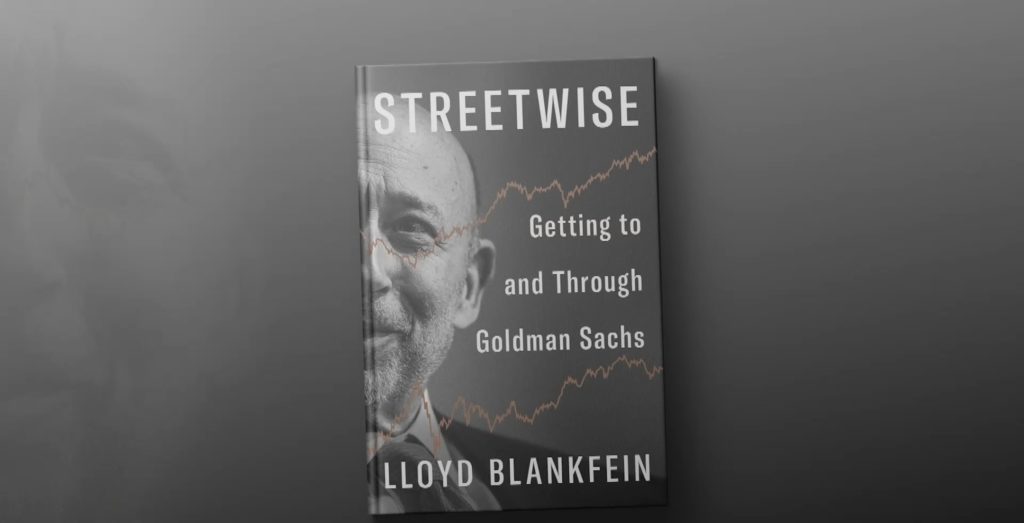
Lloyd Blankfein on his memoir 'Streetwise' and broader economic concerns
#Lloyd Blankfein #Streetwise #memoir #Goldman Sachs #economic concerns #leadership #interview
📌 Key Takeaways
- Lloyd Blankfein discusses his memoir 'Streetwise' and its insights.
- He shares personal reflections on his career and leadership at Goldman Sachs.
- Blankfein expresses concerns about current economic conditions and potential risks.
- The interview highlights broader economic challenges and policy implications.
📖 Full Retelling
🏷️ Themes
Memoir, Economy
📚 Related People & Topics

Lloyd Blankfein
American investment banker (born 1954)
Lloyd Craig Blankfein (born September 20, 1954) is an American billionaire investment banker who has served as senior chairman of Goldman Sachs since 2019, and chairman and chief executive officer (CEO) from 2006 until the end of 2018. Before leading Goldman Sachs as CEO, he was the company's presid...

Goldman Sachs
American investment bank
The Goldman Sachs Group, Inc. ( SAKS) is an American multinational investment bank and financial services company. Founded in 1869, Goldman Sachs is headquartered in Lower Manhattan in New York City, with regional headquarters in many international financial centers.
Entity Intersection Graph
Connections for Streetwise:
Mentioned Entities
Deep Analysis
Why It Matters
Lloyd Blankfein’s memoir 'Streetwise' and his discussion on economic concerns during volatile market conditions highlight critical insights into the legacy of Goldman Sachs, geopolitical risks (e.g., Iran conflict), and broader macroeconomic vulnerabilities. His reflections may influence investor sentiment amid persistent uncertainty in 2026.
Context & Background
- Blankfein’s memoir offers firsthand perspective on Goldman Sachs’ internal dynamics during high-stakes financial periods, including regulatory scrutiny and market downturns
- The U.S.-Iran conflict has destabilized global markets, causing oil price surges and broader economic volatility since late 2025
- Market corrections (e.g., worst day in months) reflect lingering concerns over inflation, geopolitical tensions, and central bank policies
- Blankfein’s role as a former CEO underscores the importance of institutional memory in shaping investor confidence and policy debates
What Happens Next
Future developments may include deeper analysis of Goldman Sachs’ strategic adjustments post-memoir publication, potential regulatory responses to economic concerns raised by Blankfein, and continued market reactions to geopolitical escalations. Analysts will likely scrutinize his predictions on interest rates or corporate governance reforms.
Frequently Asked Questions
The memoir provides an insider account of Goldman Sachs’ operations, including leadership challenges, client relationships, and internal culture during turbulent times. It may expose vulnerabilities or strengths in the bank’s risk management and adaptive strategies.
Geopolitical tensions could disrupt supply chains, increase inflationary pressures from sanctions or trade restrictions, and trigger broader capital flight. Investors may reallocate assets to safer havens or defensive sectors.
His insights could signal caution on high-risk investments while reinforcing calls for cautious optimism. Investors may seek reassurance on Goldman Sachs’ stability amid broader market stress, potentially influencing short-term trading behavior.
Yes; Blankfein’s candid remarks could reignite debates over executive accountability, banker compensation, and systemic risks. Regulators may revisit oversight frameworks in response to economic concerns highlighted during the interview.