
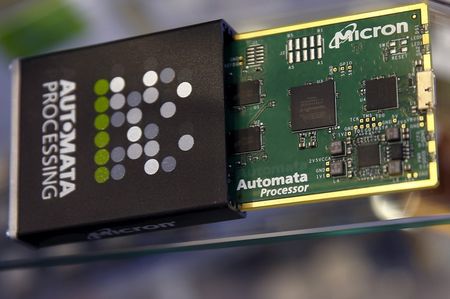
Micron beats estimate amid AI-driven memory demand
#Micron #earnings #AI #memory #semiconductor #demand #quarterly results
📌 Key Takeaways
- Micron's quarterly earnings exceeded analyst expectations
- Strong performance driven by increased demand for memory products
- Artificial intelligence applications are fueling growth in memory sector
- Company's results highlight AI's impact on semiconductor industry
🏷️ Themes
Earnings, AI Technology
📚 Related People & Topics

Micrometre
Unit of length; one millionth of a metre
The micrometre (or micrometer in US spelling; symbol: μm) is a unit of length in the International System of Units (SI) equalling 10−6 metre (SI standard prefix "micro-" = 10−6); that is, one millionth of a metre (or one thousandth of a millimetre, 0.001 mm, or about 0.00004 inch). Also known as a m...

Artificial intelligence
Intelligence of machines
# Artificial Intelligence (AI) **Artificial Intelligence (AI)** is a specialized field of computer science dedicated to the development and study of computational systems capable of performing tasks typically associated with human intelligence. These tasks include learning, reasoning, problem-solvi...
Entity Intersection Graph
Connections for Micrometre:
View full profileMentioned Entities
Deep Analysis
Why It Matters
This news matters because Micron's strong performance signals robust demand for memory chips driven by artificial intelligence applications, which affects the entire technology sector. It indicates that AI infrastructure spending remains strong despite broader economic uncertainties, benefiting semiconductor manufacturers and their investors. The results also provide insights into supply-demand dynamics in the memory market, influencing pricing strategies across the industry.
Context & Background
- Micron Technology is one of the world's largest semiconductor memory manufacturers, specializing in DRAM and NAND flash memory products
- The memory chip industry has experienced significant volatility in recent years with cycles of oversupply and shortages affecting pricing and profitability
- AI applications require specialized high-bandwidth memory (HBM) and other advanced memory solutions that command premium pricing compared to conventional memory chips
- Memory manufacturers have been investing heavily in next-generation technologies to capture growing AI market opportunities
What Happens Next
Industry analysts will likely revise upward their forecasts for memory chip demand in 2024-2025, particularly for AI-optimized products. Competitors like Samsung and SK Hynix may accelerate their own AI memory production plans. Micron's next earnings report in approximately three months will provide further evidence of whether this AI-driven demand represents a sustained trend or temporary surge.
Frequently Asked Questions
AI applications, particularly large language models and machine learning systems, require massive amounts of high-speed memory to process and store data efficiently. Advanced memory technologies like HBM (High Bandwidth Memory) are essential for AI accelerators and data centers to achieve optimal performance.
For businesses, strong memory demand may lead to higher prices for enterprise hardware and cloud services that rely on these components. For consumers, it could mean continued premium pricing for high-performance computing devices, though mainstream products may see less impact.
Potential risks include economic slowdowns reducing overall tech spending, oversupply if manufacturers over-invest in capacity, and technological shifts that might reduce memory requirements for future AI systems. Geopolitical tensions affecting semiconductor supply chains also pose significant risks.
Micron competes primarily with Samsung and SK Hynix in advanced memory markets. While all three are developing AI-optimized products, each has different technological approaches and customer relationships that will determine their relative success in capturing AI-driven growth opportunities.