
Migrants march in southern Mexico to denounce immigration restrictions
📖 Full Retelling
📚 Related People & Topics
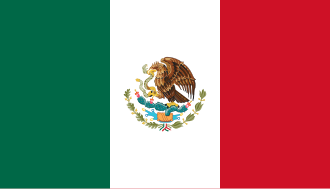
Mexico
Country in North America
Mexico, officially the United Mexican States, is a country in North America. It is the northernmost country in Latin America and borders the United States to the north, and Guatemala and Belize to the southeast; while having maritime boundaries with the Pacific Ocean to the west, the Caribbean Sea t...
Entity Intersection Graph
Connections for Mexico:
Mentioned Entities
Deep Analysis
Why It Matters
This protest highlights the ongoing humanitarian crisis at Mexico's southern border, affecting thousands of migrants seeking asylum or transit to the United States. It matters because it demonstrates growing frustration with restrictive immigration policies that leave vulnerable populations stranded in dangerous conditions. The situation impacts not only the migrants themselves but also Mexican border communities, international aid organizations, and U.S.-Mexico diplomatic relations. These protests could influence policy discussions about regional migration management and human rights protections.
Context & Background
- Mexico has become a major transit country for migrants from Central America, Venezuela, Cuba, Haiti and other regions heading toward the U.S. border
- In recent years, Mexico has increased immigration enforcement under pressure from the United States, including deploying National Guard troops to border regions
- The U.S. has implemented policies like Title 42 and Remain in Mexico that have effectively pushed migration management responsibilities southward
- Southern Mexican states like Chiapas and Tabasco have seen growing migrant camps and strained local resources
- Previous migrant caravans in 2018-2022 drew international attention to migration through Central America and Mexico
What Happens Next
Mexican authorities will likely respond with increased security presence while negotiating with protest leaders about their demands. Humanitarian organizations may mobilize to provide aid to marching migrants. The protest could influence upcoming bilateral talks between U.S. and Mexican officials about migration management. If the march grows, it may attempt to reach Mexico City or the northern border, potentially creating new border standoffs in coming weeks.
Frequently Asked Questions
Migrants are protesting immigration restrictions that prevent their movement through Mexico toward the U.S. border. They're denouncing policies that leave them stranded in southern Mexico without proper documentation or resources.
These protests highlight the consequences of U.S. policies that externalize border enforcement to Mexico. They may pressure the Biden administration to reconsider cooperation agreements that require Mexico to intercept migrants before they reach the U.S. border.
While the article doesn't specify, migrants in southern Mexico typically come from Central American countries like Honduras, Guatemala and El Salvador, plus increasing numbers from Venezuela, Haiti, Cuba and other regions facing political or economic crises.
Mexico has strengthened immigration enforcement since 2019, increasing deportations and restricting northward movement. This shift came after U.S. threats of trade tariffs if Mexico didn't reduce migrant flows toward the U.S. border.
Migrants face dangers from criminal groups, extreme weather, and inadequate shelter and healthcare. Children and families are particularly vulnerable to exploitation and violence during their journeys through Mexico.