

Mojtaba Khamenei’s appointment is a sign Iran’s hardline policies will continue
#Mojtaba Khamenei #Iran #hardline policies #appointment #Supreme Leader #political succession #Ali Khamenei
📌 Key Takeaways
- Mojtaba Khamenei, son of Supreme Leader Ali Khamenei, has been appointed to a key position.
- The appointment signals a continuation of Iran's current hardline policies.
- It reflects efforts to consolidate power within the ruling establishment.
- The move may influence Iran's domestic and foreign policy direction.
🏷️ Themes
Iran Politics, Leadership Succession
📚 Related People & Topics

Ali Khamenei
Supreme Leader of Iran since 1989
Ali Hosseini Khamenei (born 19 April 1939) is an Iranian cleric and politician who has served as the second supreme leader of Iran since 1989. He previously served as the third president of Iran from 1981 to 1989. His tenure as supreme leader, spanning 36 years, makes him the longest-serving head of...
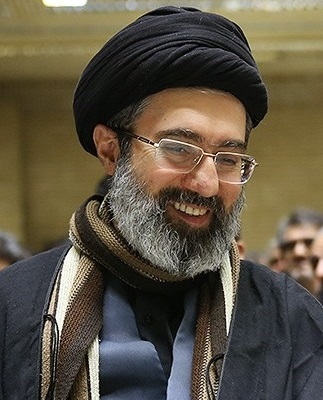
Mojtaba Khamenei
Iranian politician and cleric (born 1969)
Mojtaba Hosseini Khamenei (born 8 September 1969) is an Iranian politician and Muslim cleric. The second eldest child of Ali Khamenei, the former supreme leader of Iran, Mojtaba Khamenei served in the Iran–Iraq War from 1987 to 1988, and also reportedly took control of the Basij that was used to sup...

Iran
Country in West Asia
# Iran **Iran**, officially the **Islamic Republic of Iran** and historically known as **Persia**, is a sovereign country situated in West Asia. It is a major regional power, ranking as the 17th-largest country in the world by both land area and population. Combining a rich historical legacy with a...
Supreme Leader
Topics referred to by the same term
A supreme leader or supreme ruler is a powerful figure with an unchallenged authority.
Entity Intersection Graph
Connections for Ali Khamenei:
View full profileMentioned Entities
Deep Analysis
Why It Matters
This appointment matters because Mojtaba Khamenei is the son of Supreme Leader Ayatollah Ali Khamenei, suggesting a potential dynastic succession in Iran's theocratic system. It signals continuity of Iran's hardline foreign and domestic policies, including nuclear negotiations, regional proxy conflicts, and domestic repression. This affects Iran's 85 million citizens, regional neighbors like Israel and Saudi Arabia, and global powers engaged with Iran diplomatically and economically.
Context & Background
- Iran's Supreme Leader holds ultimate authority over foreign policy, military, and judiciary, with the president serving as secondary executive
- Mojtaba Khamenei has been influential behind the scenes for years, particularly with Revolutionary Guard commanders and conservative factions
- Iran has maintained hardline positions since the 1979 Islamic Revolution, resisting Western influence and pursuing regional hegemony
- Previous leadership transitions have maintained ideological continuity despite occasional reformist presidential administrations
- The Islamic Revolutionary Guard Corps (IRGC) wields significant political and economic power alongside religious leadership
What Happens Next
Expect continued hardline positions in nuclear negotiations with Western powers, increased support for regional proxies like Hezbollah and Houthi rebels, and intensified domestic crackdowns on dissent. The appointment may foreshadow Mojtaba's eventual succession as Supreme Leader, though formal transition could take years given his father's advanced age. International sanctions pressure will likely persist amid stalled diplomatic progress.
Frequently Asked Questions
Mojtaba Khamenei is the second son of Supreme Leader Ayatollah Ali Khamenei and has been a powerful behind-the-scenes figure in Iranian politics. His appointment to a more formal position suggests potential preparation for succession, which would mark a dynastic shift in Iran's theocratic system.
Hardline policies include strict enforcement of Islamic law domestically, confrontational foreign policy toward the West and Israel, support for regional militant proxies, and uncompromising positions on Iran's nuclear program. These policies prioritize revolutionary ideology over economic pragmatism.
This appointment suggests Iran will maintain maximalist positions in nuclear talks, demanding extensive sanctions relief while offering limited concessions on uranium enrichment. The hardline stance reduces prospects for a revived nuclear deal in the near term.
Iran will likely increase support for proxies in Syria, Lebanon, Yemen, and Iraq, escalating regional tensions. This threatens stability in the Middle East and could trigger responses from Israel, Saudi Arabia, and their allies.
Ordinary Iranians face continued economic hardship due to sanctions, limited social freedoms, and political repression. The hardline direction suggests little relief from inflation, unemployment, or restrictions on personal liberties.
Yes, while consolidating hardline control, it may alienate pragmatic conservatives and reformists. The Revolutionary Guard's role in succession politics could create tensions between military and clerical establishments despite shared hardline orientation.