
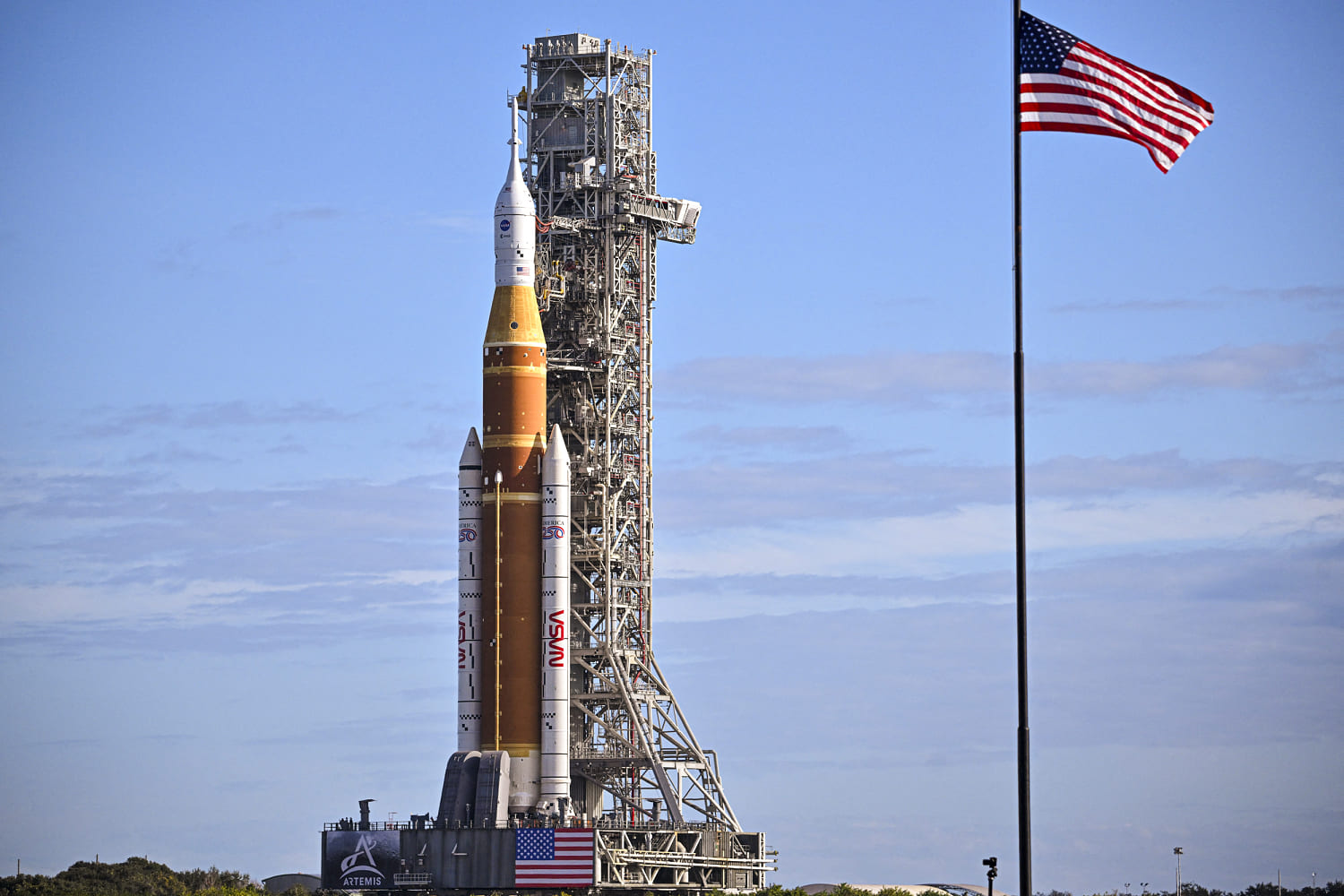
NASA targets April 1 to launch astronauts around the moon
#NASA #moon #astronauts #launch #Artemis #lunar mission #space exploration
📌 Key Takeaways
- NASA plans to launch astronauts around the moon on April 1.
- The mission is part of NASA's Artemis program.
- It aims to test systems for future lunar landings.
- This will be the first crewed lunar mission since Apollo.
📖 Full Retelling
🏷️ Themes
Space Exploration, NASA Missions
Entity Intersection Graph
No entity connections available yet for this article.
Deep Analysis
Why It Matters
This launch marks the first crewed mission to the moon since Apollo 17 in 1972, representing a major milestone in human space exploration and NASA's Artemis program. It demonstrates significant technological progress in deep space travel and paves the way for future lunar landings and potential Mars missions. The mission affects global space agencies, aerospace industries, and inspires public interest in science and exploration, while also reinforcing U.S. leadership in space amid growing international competition.
Context & Background
- NASA's Artemis program aims to return humans to the moon and establish a sustainable presence, with Artemis I being an uncrewed test flight in 2022.
- The Apollo program last sent astronauts to the moon over 50 years ago, ending with Apollo 17 in December 1972.
- International collaboration includes contributions from the European Space Agency (ESA), Canada, and Japan, with the Artemis Accords outlining peaceful lunar exploration principles.
- The mission uses the Space Launch System (SLS) rocket and Orion spacecraft, developed over more than a decade with significant investment and testing delays.
- Private companies like SpaceX are also involved in lunar exploration, with plans for crewed landings using Starship as part of later Artemis missions.
What Happens Next
If the April 1 launch proceeds successfully, the crew will orbit the moon and return to Earth, with data from the mission informing preparations for Artemis III, which aims to land astronauts on the lunar surface as early as 2026. NASA will likely announce further details on crew activities, scientific objectives, and international partner roles in the coming months. Potential delays due to technical issues or weather could shift the timeline, with backup launch windows expected in late April or May.
Frequently Asked Questions
The mission tests the Space Launch System rocket and Orion spacecraft with astronauts onboard, validating systems for deep space travel and ensuring safety for future lunar landings. It also conducts scientific experiments and demonstrates capabilities for long-duration missions beyond Earth orbit.
NASA has selected a diverse crew of four astronauts, including veterans and newer members, with details on their backgrounds and roles typically announced closer to launch. The crew represents international collaboration, with potential inclusion of astronauts from partner agencies like ESA or JAXA.
Unlike Apollo, which focused on short lunar visits, Artemis aims for sustainable exploration with advanced technology, international partnerships, and goals like establishing a lunar base. The mission uses modern systems like the SLS and Orion, designed for longer missions and eventual Mars travel.
Risks include technical failures in new spacecraft systems, radiation exposure in deep space, and launch hazards, though NASA conducts extensive testing to mitigate these. Contingency plans are in place for emergencies, such as abort scenarios during ascent or issues in lunar orbit.
The mission is expected to last about 10 days, including travel to lunar orbit, multiple orbits around the moon, and return to Earth. This duration tests life support and other systems for future longer stays on the lunar surface.
Following this mission, Artemis III plans to land astronauts on the moon, targeting the lunar south pole for resource exploration. NASA will also work on the Lunar Gateway station and collaborate with commercial partners for sustained lunar operations through the 2030s.