

Netanyahu denies Israel dragged U.S. into war with Iran
#Netanyahu #Israel #Iran #U.S. #war #denial #Middle East #tensions
📌 Key Takeaways
- Israeli Prime Minister Netanyahu denies Israel's actions led to U.S. involvement in conflict with Iran.
- The statement addresses accusations of Israel escalating regional tensions.
- It highlights ongoing diplomatic and military tensions in the Middle East.
- Netanyahu's denial aims to counter narratives blaming Israel for broader conflict.
🏷️ Themes
Geopolitics, Middle East Conflict
📚 Related People & Topics

Iran
Country in West Asia
# Iran **Iran**, officially the **Islamic Republic of Iran** and historically known as **Persia**, is a sovereign country situated in West Asia. It is a major regional power, ranking as the 17th-largest country in the world by both land area and population. Combining a rich historical legacy with a...

Middle East
Transcontinental geopolitical region
The Middle East is a geopolitical region encompassing the Arabian Peninsula, Egypt, Iran, Iraq, the Levant, and Turkey. The term came into widespread usage by Western European nations in the early 20th century as a replacement of the term Near East (both were in contrast to the Far East). The term ...
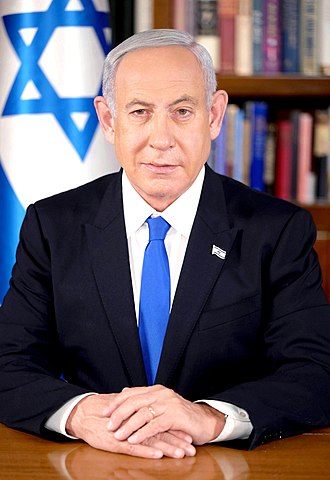
Benjamin Netanyahu
Prime Minister of Israel (1996–1999; 2009–2021; since 2022)
Benjamin "Bibi" Netanyahu (born 21 October 1949) is an Israeli politician and diplomat who has served as Prime Minister of Israel since 2022. Having previously held office from 1996 to 1999 and from 2009 to 2021, Netanyahu is Israel's longest-serving prime minister. Born in Tel Aviv, Netanyahu was r...

Israel
Country in West Asia
Israel, officially the State of Israel, is a country in the Southern Levant region of West Asia. It is bordered by Lebanon to the north, Syria to the northeast, Jordan to the east, and Egypt to the southwest. Israel occupies the West Bank and the Gaza Strip of the Palestinian territories, as well as...
Entity Intersection Graph
Connections for Iran:
Mentioned Entities
Deep Analysis
Why It Matters
This statement matters because it addresses accusations that Israel is escalating regional tensions and potentially involving the U.S. in a broader Middle East conflict. It affects U.S.-Israel diplomatic relations, regional stability in the Middle East, and international perceptions of who bears responsibility for escalating hostilities. The denial seeks to maintain U.S. political and military support while countering narratives that could isolate Israel diplomatically.
Context & Background
- Israel and Iran have engaged in a long-running shadow war involving cyberattacks, assassinations, and strikes on shipping and military assets.
- The U.S. provides significant military aid and diplomatic support to Israel, making its involvement in regional conflicts a sensitive political issue.
- Recent months have seen increased direct confrontations between Israel and Iran, including missile and drone attacks.
- Netanyahu's government faces domestic pressure to appear strong on security while managing international relationships.
What Happens Next
Increased diplomatic efforts to de-escalate tensions between Israel and Iran, potential behind-the-scenes communications between U.S. and Israeli officials about coordination, and continued monitoring of Iranian proxy groups' activities in the region. The U.S. may clarify its position on involvement in Israel-Iran conflicts in coming weeks.
Frequently Asked Questions
Critics argue that Israel's aggressive actions against Iran and its proxies could trigger a broader conflict requiring U.S. military intervention due to America's security commitments to Israel and regional interests.
While generally aligned against Iranian nuclear ambitions, the U.S. and Israel have sometimes differed on tactics, with the U.S. typically favoring diplomatic approaches and Israel being more willing to consider military options.
Netanyahu's statement attempts to reduce escalation fears but may not significantly alter the underlying tensions, as both Israel and Iran continue to prepare for potential conflict while denying responsibility for escalation.
Both sides point to different incidents - Israel cites Iranian nuclear development and support for militant groups, while Iran points to Israeli assassinations of scientists and attacks on Iranian facilities.