

Netanyahu posts video in response to Iran rumours that he is dead
#Netanyahu #Iran #rumours #video #Israel #disinformation #geopolitics
📌 Key Takeaways
- Israeli Prime Minister Benjamin Netanyahu posted a video to refute rumours of his death.
- The rumours originated from Iranian sources and spread online.
- The video shows Netanyahu alive and working in his office.
- The incident highlights ongoing tensions and disinformation campaigns between Israel and Iran.
🏷️ Themes
Geopolitical Tensions, Disinformation
📚 Related People & Topics
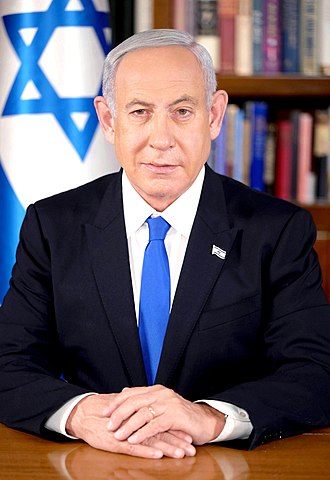
Benjamin Netanyahu
Prime Minister of Israel (1996–1999; 2009–2021; since 2022)
Benjamin "Bibi" Netanyahu (born 21 October 1949) is an Israeli politician and diplomat who has served as Prime Minister of Israel since 2022. Having previously held office from 1996 to 1999 and from 2009 to 2021, Netanyahu is Israel's longest-serving prime minister. Born in Tel Aviv, Netanyahu was r...

Iran
Country in West Asia
# Iran **Iran**, officially the **Islamic Republic of Iran** and historically known as **Persia**, is a sovereign country situated in West Asia. It is a major regional power, ranking as the 17th-largest country in the world by both land area and population. Combining a rich historical legacy with a...

Israel
Country in West Asia
Israel, officially the State of Israel, is a country in the Southern Levant region of West Asia. It is bordered by Lebanon to the north, Syria to the northeast, Jordan to the east, and Egypt to the southwest. Israel occupies the West Bank and the Gaza Strip of the Palestinian territories, as well as...
Entity Intersection Graph
Connections for Benjamin Netanyahu:
Mentioned Entities
Deep Analysis
Why It Matters
This news matters because it highlights the ongoing information warfare between Israel and Iran, where psychological operations and disinformation campaigns have become key elements of their conflict. It affects regional stability by demonstrating how rumors can be weaponized to create uncertainty about leadership stability in a volatile region. The incident also reveals how social media has become a battleground for state actors to challenge each other's credibility and authority in real-time.
Context & Background
- Israel and Iran have been engaged in a long-standing shadow war involving cyberattacks, assassinations, and covert operations across the Middle East
- Benjamin Netanyahu has faced multiple political challenges domestically, including corruption trials and coalition instability, making rumors about his health or status particularly sensitive
- Iran has previously spread disinformation about Israeli leaders as part of its psychological warfare strategy, including during periods of heightened tensions
What Happens Next
Israeli intelligence will likely investigate the source and spread of the rumors to determine if they were state-sponsored or originated from other actors. The incident may lead to increased cybersecurity measures around Israeli leadership communications. Further disinformation campaigns targeting both Israeli and Iranian leadership should be expected as tensions continue in the region.
Frequently Asked Questions
Such rumors serve as psychological warfare to create political instability in Israel, test response mechanisms, and potentially influence Israeli public opinion during sensitive periods. They also represent a low-risk way to challenge Israeli leadership without direct military confrontation.
Netanyahu posted a video to directly counter the death rumors, demonstrating the use of social media as a tool for leadership verification in the digital age. This immediate public response was intended to reassure both domestic and international audiences about his status and authority.
This incident shows how information warfare has become integral to international conflicts, with disinformation campaigns serving as tools to undermine opponents without traditional military engagement. It highlights how social media platforms have become battlegrounds for state actors to contest narratives and authority.
Rumors about political leaders' health or status during conflicts are often deliberately false, designed to create confusion and test response systems. However, they occasionally gain traction when they align with existing political vulnerabilities or public concerns about leadership stability.