
Netanyahu says Iran is being 'decimated' but revolution requires 'ground component'
#Netanyahu #Iran #decimated #revolution #ground component #Israel #regime change #geopolitical tensions
📌 Key Takeaways
- Netanyahu claims Iran is being 'decimated' by internal and external pressures.
- He asserts that a revolution in Iran requires a 'ground component' from within the country.
- The statement implies external actions alone are insufficient for regime change.
- The comments reflect ongoing geopolitical tensions between Israel and Iran.
📖 Full Retelling
🏷️ Themes
Geopolitics, Iran-Israel Relations
📚 Related People & Topics

Iran
Country in West Asia
# Iran **Iran**, officially the **Islamic Republic of Iran** and historically known as **Persia**, is a sovereign country situated in West Asia. It is a major regional power, ranking as the 17th-largest country in the world by both land area and population. Combining a rich historical legacy with a...
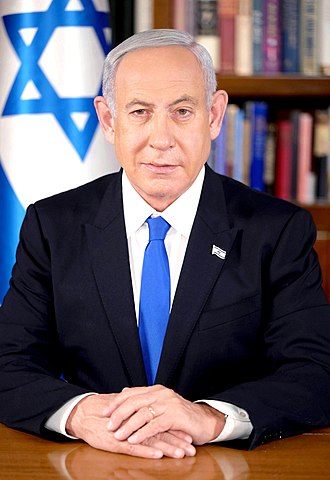
Benjamin Netanyahu
Prime Minister of Israel (1996–1999; 2009–2021; since 2022)
Benjamin "Bibi" Netanyahu (born 21 October 1949) is an Israeli politician and diplomat who has served as Prime Minister of Israel since 2022. Having previously held office from 1996 to 1999 and from 2009 to 2021, Netanyahu is Israel's longest-serving prime minister. Born in Tel Aviv, Netanyahu was r...

Israel
Country in West Asia
Israel, officially the State of Israel, is a country in the Southern Levant region of West Asia. It is bordered by Lebanon to the north, Syria to the northeast, Jordan to the east, and Egypt to the southwest. Israel occupies the West Bank and the Gaza Strip of the Palestinian territories, as well as...
Entity Intersection Graph
Connections for Iran:
Mentioned Entities
Deep Analysis
Why It Matters
This statement matters because it reveals Israel's strategic perspective on Iran's internal unrest and signals potential policy directions. It affects regional stability by suggesting Israel views Iran's domestic protests as an opportunity to weaken its primary adversary. The comments could influence international diplomatic approaches toward Iran and impact ongoing nuclear negotiations. Most importantly, they signal Israel's potential willingness to support internal opposition movements, which could escalate regional tensions.
Context & Background
- Iran has experienced periodic anti-government protests since 2017, with significant unrest following Mahsa Amini's death in 2022
- Israel and Iran have been engaged in a shadow war for decades, with Israel conducting numerous strikes against Iranian targets in Syria and Iran's nuclear program
- The U.S. and Israel have disagreed on approaches to Iran, with Israel often advocating for more aggressive action against Iran's nuclear program
- Iran's regional influence has expanded through proxy groups like Hezbollah, Hamas, and Houthi rebels, creating direct threats to Israeli security
- Israel has previously acknowledged covert operations inside Iran, including assassinations of nuclear scientists and cyberattacks on nuclear facilities
What Happens Next
Increased monitoring of Iranian domestic unrest by Israeli intelligence agencies, potential covert Israeli support for Iranian opposition groups, possible escalation of Israeli strikes on Iranian targets in Syria, and continued diplomatic friction between Israel and Western allies over Iran policy. The next major development may come during upcoming U.S.-Israel security consultations or following significant protest events in Iran.
Frequently Asked Questions
Netanyahu is referring to internal Iranian opposition movements and protesters who could potentially overthrow the government from within. He suggests that while external pressure is weakening Iran, actual regime change requires organized internal resistance and popular uprising against the current leadership.
Israel views Iran as its primary existential threat due to Iran's nuclear program, support for anti-Israel militant groups, and repeated calls for Israel's destruction. Iranian proxies surround Israel's borders, and Iran's advancing nuclear capabilities represent a direct security challenge to Israel's existence.
This could create tension as the U.S. generally prefers diplomatic approaches to Iran while Israel advocates more aggressive action. The Biden administration may view such rhetoric as undermining nuclear negotiations and regional stability efforts, potentially leading to policy disagreements between the allies.
Such support could backfire by allowing Iran to portray protesters as foreign agents, potentially strengthening the regime's legitimacy. It could also trigger Iranian retaliation through proxy attacks on Israeli targets and further destabilize the region, potentially drawing other countries into conflict.
This appears to be political rhetoric rather than factual assessment. While Iran faces economic challenges from sanctions and domestic discontent, the regime maintains control over security forces and has survived previous protest waves. Most analysts believe the current government remains firmly in power despite significant challenges.