

Netanyahu says revolution in Iran will require 'ground component' to war
#Netanyahu #Iran #revolution #ground component #war #regime change #Middle East #military intervention
📌 Key Takeaways
- Netanyahu asserts that a revolution in Iran would necessitate a 'ground component' to war
- The statement implies military intervention may be required for regime change in Iran
- This reflects ongoing tensions and strategic considerations regarding Iran's government
- The comment suggests a shift from diplomatic to potential military strategies
📖 Full Retelling
🏷️ Themes
Geopolitical Tensions, Military Strategy
📚 Related People & Topics

Iran
Country in West Asia
# Iran **Iran**, officially the **Islamic Republic of Iran** and historically known as **Persia**, is a sovereign country situated in West Asia. It is a major regional power, ranking as the 17th-largest country in the world by both land area and population. Combining a rich historical legacy with a...

Middle East
Transcontinental geopolitical region
The Middle East is a geopolitical region encompassing the Arabian Peninsula, Egypt, Iran, Iraq, the Levant, and Turkey. The term came into widespread usage by Western European nations in the early 20th century as a replacement of the term Near East (both were in contrast to the Far East). The term ...
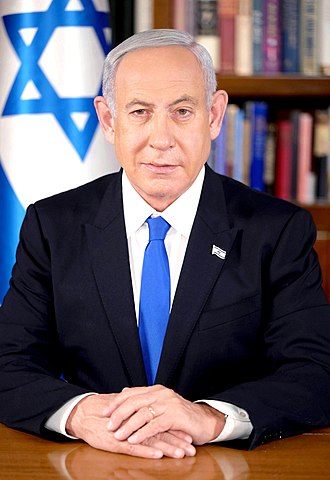
Benjamin Netanyahu
Prime Minister of Israel (1996–1999; 2009–2021; since 2022)
Benjamin "Bibi" Netanyahu (born 21 October 1949) is an Israeli politician and diplomat who has served as Prime Minister of Israel since 2022. Having previously held office from 1996 to 1999 and from 2009 to 2021, Netanyahu is Israel's longest-serving prime minister. Born in Tel Aviv, Netanyahu was r...
Entity Intersection Graph
Connections for Iran:
Mentioned Entities
Deep Analysis
Why It Matters
This statement matters because it signals a potential escalation in Israel's approach to Iran, moving beyond airstrikes and cyber operations to possible ground interventions. It affects regional stability by raising the prospect of direct military confrontation between two long-standing adversaries. The comments impact international diplomacy as they come amid ongoing nuclear negotiations and could influence U.S. and European policy toward Iran. Iranian citizens and regional neighbors would face immediate consequences from any ground conflict.
Context & Background
- Israel and Iran have been engaged in a shadow war for decades, with Israel conducting numerous airstrikes against Iranian targets in Syria and Iran supporting proxy groups like Hezbollah.
- Iran has faced significant domestic unrest in recent years, including the 2022-2023 protests following Mahsa Amini's death, which some Israeli officials have suggested could lead to regime change.
- Israel has previously stated that it would act alone if necessary to prevent Iran from obtaining nuclear weapons, as demonstrated by past operations against nuclear facilities in Iraq and Syria.
What Happens Next
Increased Israeli intelligence operations inside Iran to identify potential opposition groups. Possible covert ground operations by Israeli special forces or proxies. Escalation of rhetoric at the UN and in diplomatic channels. Potential Iranian retaliatory attacks through proxies in Lebanon, Syria, or against Israeli interests abroad.
Frequently Asked Questions
He's referring to physical military presence inside Iran, likely involving special forces operations, support for opposition groups, or direct combat troops. This represents a significant escalation beyond Israel's current strategy of airstrikes and cyber warfare.
Israel views regime change in Iran as the ultimate solution to security threats, believing a new government would abandon nuclear ambitions and support for anti-Israel proxies. They see domestic unrest as an opportunity to accelerate this process.
The U.S. and European allies will likely express concern about regional escalation while continuing nuclear diplomacy. Arab states that normalized relations with Israel may face pressure to distance themselves. Russia and China will probably condemn any intervention as violation of sovereignty.