
Netanyahu wants to ‘create conditions’ for Iran regime change
#Netanyahu #Iran #regime change #Israel #Middle East #foreign policy #tensions
📌 Key Takeaways
- Israeli Prime Minister Netanyahu advocates for creating conditions to change Iran's regime.
- The statement reflects ongoing tensions and strategic opposition between Israel and Iran.
- Netanyahu's goal involves influencing Iran's internal political dynamics.
- The approach suggests a focus on indirect pressure rather than direct military action.
📖 Full Retelling
🏷️ Themes
Geopolitics, Regime Change
📚 Related People & Topics

Iran
Country in West Asia
# Iran **Iran**, officially the **Islamic Republic of Iran** and historically known as **Persia**, is a sovereign country situated in West Asia. It is a major regional power, ranking as the 17th-largest country in the world by both land area and population. Combining a rich historical legacy with a...

Middle East
Transcontinental geopolitical region
The Middle East is a geopolitical region encompassing the Arabian Peninsula, Egypt, Iran, Iraq, the Levant, and Turkey. The term came into widespread usage by Western European nations in the early 20th century as a replacement of the term Near East (both were in contrast to the Far East). The term ...
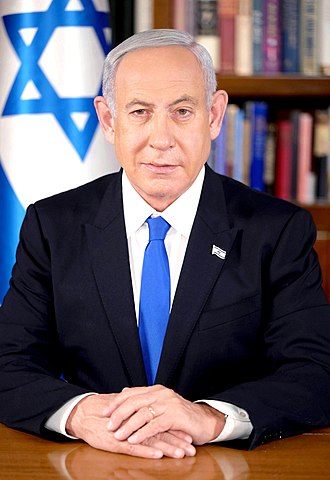
Benjamin Netanyahu
Prime Minister of Israel (1996–1999; 2009–2021; since 2022)
Benjamin "Bibi" Netanyahu (born 21 October 1949) is an Israeli politician and diplomat who has served as Prime Minister of Israel since 2022. Having previously held office from 1996 to 1999 and from 2009 to 2021, Netanyahu is Israel's longest-serving prime minister. Born in Tel Aviv, Netanyahu was r...

Israel
Country in West Asia
Israel, officially the State of Israel, is a country in the Southern Levant region of West Asia. It is bordered by Lebanon to the north, Syria to the northeast, Jordan to the east, and Egypt to the southwest. Israel occupies the West Bank and the Gaza Strip of the Palestinian territories, as well as...
Entity Intersection Graph
Connections for Iran:
Mentioned Entities
Deep Analysis
Why It Matters
This statement matters because it represents a significant escalation in rhetoric from Israel's leadership toward Iran, potentially destabilizing an already volatile Middle East region. It directly affects Iran's government and population, Israel's security establishment, and international diplomatic efforts to manage Iran's nuclear program. The declaration could influence U.S. and European foreign policy toward Iran and impact global energy markets due to potential regional conflict. Such public calls for regime change from a key regional leader may harden Iran's position and reduce prospects for diplomatic solutions.
Context & Background
- Israel and Iran have been engaged in a long-running shadow war involving cyberattacks, assassinations, and proxy conflicts across the Middle East.
- Iran's nuclear program has been a primary concern for Israel since the 1990s, with Israel considering military action multiple times.
- The 2015 Iran nuclear deal (JCPOA) temporarily eased tensions, but Israel opposed it, and the U.S. withdrawal in 2018 reignited hostilities.
- Iran supports proxy groups like Hezbollah in Lebanon and Hamas in Gaza, which have directly clashed with Israel.
- Previous Israeli leaders have made similar statements about Iran's government, but Netanyahu's current position comes amid stalled nuclear talks and increased Iranian uranium enrichment.
What Happens Next
Increased diplomatic pressure on Iran through international channels, potential covert operations targeting Iranian leadership or infrastructure, possible acceleration of Iran's nuclear program in response, and heightened rhetoric from Iranian officials condemning Israel. Watch for reactions from the U.S. administration and European powers in the coming weeks, as well as potential military posturing in the region. The statement may influence upcoming IAEA reports on Iran's nuclear activities and affect negotiations about reviving the nuclear deal.
Frequently Asked Questions
Israel could increase covert operations inside Iran, support opposition groups, conduct cyber attacks on Iranian infrastructure, and lobby international partners to impose stricter sanctions. These measures aim to weaken the current government's control and encourage internal dissent without direct military invasion.
Iran typically responds with strong rhetoric condemning foreign interference, sometimes conducting military exercises or accelerating nuclear activities. The government often uses such statements to rally domestic support by portraying itself as defending national sovereignty against external enemies.
The U.S. has officially opposed regime change as policy since the Obama administration, instead favoring diplomatic engagement and pressure. However, different administrations have varied in their rhetoric, with some officials expressing support for Iranian protesters while stopping short of calling for government overthrow.
This statement likely hardens Iran's negotiating position, making compromise more difficult as the government views regime change threats as evidence of bad faith. It could cause Iran to accelerate nuclear development as deterrent while reducing willingness to make concessions in talks.
Increased proxy conflicts through Iranian-backed groups in Syria, Lebanon, and Yemen, potential retaliatory attacks on Israeli interests worldwide, and possible escalation between Israel and Hezbollah. Gulf states may feel pressured to choose sides, complicating recent normalization efforts with Israel.