

Netanyahu’s rivals compete to outdo him over Iran
#Netanyahu #Iran #Israeli opposition #nuclear program #foreign policy #security #political rivalry #Middle East
📌 Key Takeaways
- Israeli opposition leaders are adopting more aggressive stances on Iran than Prime Minister Netanyahu.
- The political competition centers on who can present the toughest approach to Iran's nuclear program.
- This shift reflects domestic pressure to counter perceived threats from Iran.
- The rivalry may influence Israel's foreign policy and regional security strategies.
📖 Full Retelling
🏷️ Themes
Israeli Politics, Iran Relations
📚 Related People & Topics
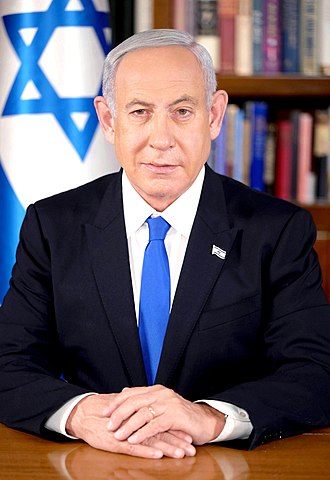
Benjamin Netanyahu
Prime Minister of Israel (1996–1999; 2009–2021; since 2022)
Benjamin "Bibi" Netanyahu (born 21 October 1949) is an Israeli politician and diplomat who has served as Prime Minister of Israel since 2022. Having previously held office from 1996 to 1999 and from 2009 to 2021, Netanyahu is Israel's longest-serving prime minister. Born in Tel Aviv, Netanyahu was r...

Iran
Country in West Asia
# Iran **Iran**, officially the **Islamic Republic of Iran** and historically known as **Persia**, is a sovereign country situated in West Asia. It is a major regional power, ranking as the 17th-largest country in the world by both land area and population. Combining a rich historical legacy with a...

Middle East
Transcontinental geopolitical region
The Middle East is a geopolitical region encompassing the Arabian Peninsula, Egypt, Iran, Iraq, the Levant, and Turkey. The term came into widespread usage by Western European nations in the early 20th century as a replacement of the term Near East (both were in contrast to the Far East). The term ...
Entity Intersection Graph
Connections for Benjamin Netanyahu:
Mentioned Entities
Deep Analysis
Why It Matters
This development matters because it signals a significant shift in Israeli political dynamics regarding national security policy, particularly toward Iran. It affects Israeli voters who must choose between competing security approaches, Iran's regional calculations as it observes potential policy changes, and international allies like the U.S. who must navigate shifting Israeli political positions. The competition could lead to more aggressive rhetoric or policy proposals regarding Iran, potentially escalating regional tensions.
Context & Background
- Benjamin Netanyahu has long positioned himself as Israel's foremost authority on Iran, frequently warning about Iran's nuclear program and regional activities.
- Israel has conducted numerous covert operations against Iranian targets, including cyberattacks, assassinations of nuclear scientists, and airstrikes on Iranian assets in Syria.
- The U.S.-Iran nuclear deal (JCPOA) has been a major point of contention in Israeli politics, with Netanyahu strongly opposing the agreement while some rivals advocated different approaches.
- Israeli political parties across the spectrum generally agree on the threat posed by Iran but differ on tactics, timing, and diplomatic approaches.
What Happens Next
We can expect intensified campaign rhetoric about Iran policy leading up to Israeli elections, with candidates proposing specific actions like preemptive strikes, enhanced covert operations, or diplomatic initiatives. International actors including the U.S., Saudi Arabia, and European powers will closely monitor these developments for implications on regional stability. Depending on election outcomes, Israel could shift toward either more confrontational or more diplomatic approaches to Iran in the coming months.
Frequently Asked Questions
They're focusing on Iran because Netanyahu has made it his signature issue for years, and challenging him on this core competency represents a direct attempt to undermine his political identity as Israel's security guarantor. By proposing alternative approaches, they aim to appeal to voters who want change while maintaining tough security credentials.
The political competition could lead to more aggressive policy proposals during the campaign, but actual policy implementation would depend on election outcomes and coalition negotiations. A new government might either escalate covert operations or pursue different diplomatic channels, depending on which faction gains power.
This could complicate U.S.-Israel coordination on Iran policy as Washington navigates competing Israeli political positions. The Biden administration would need to assess whether to engage with opposition figures or maintain current channels, potentially affecting diplomatic efforts regarding Iran's nuclear program.
Iran generally uses Israeli political rhetoric to bolster its own regional narrative about Israeli aggression while continuing its nuclear and regional activities. Tehran might test responses through proxy actions or diplomatic statements, calculating that political uncertainty in Israel creates opportunities or vulnerabilities.