

New York’s big bet on congestion relief is paying off
#congestion pricing #traffic reduction #public transit #Manhattan #revenue #air quality #greenhouse gases
📌 Key Takeaways
- New York's congestion pricing initiative is showing positive results in reducing traffic congestion.
- The program is generating revenue intended for public transit improvements.
- Early data indicates a decrease in vehicle volumes in Manhattan's central business district.
- The policy aims to improve air quality and reduce greenhouse gas emissions.
🏷️ Themes
Urban Transportation, Environmental Policy
📚 Related People & Topics
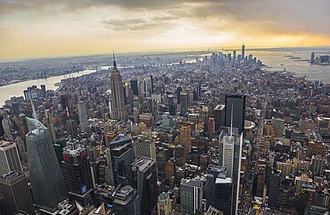
Manhattan
Borough and county in New York State
Manhattan is the most densely populated and geographically smallest of the five boroughs of New York City. Coextensive with New York County, Manhattan is the smallest county by area in the U.S. state of New York, and one of the smallest in the United States. Located almost entirely on Manhattan Isla...
Entity Intersection Graph
Connections for Manhattan:
Mentioned Entities
Deep Analysis
Why It Matters
This news matters because it demonstrates that large-scale urban transportation policies can successfully reduce traffic congestion, which affects millions of daily commuters and residents. The success validates substantial public investments in infrastructure and policy changes, potentially serving as a model for other congested cities worldwide. It impacts transportation planners, environmental advocates, local businesses, and anyone who navigates New York City's streets, showing that coordinated efforts can improve urban mobility and quality of life.
Context & Background
- New York City has long struggled with severe traffic congestion, particularly in Manhattan, leading to increased commute times and pollution.
- The congestion relief initiative likely involved measures such as congestion pricing, improved public transit, or traffic management strategies, building on decades of urban planning debates.
- Similar congestion pricing schemes have been implemented in cities like London and Singapore, providing precedents for New York's approach.
- Previous attempts to address congestion in NYC included the failed 2008 congestion pricing proposal and various pilot programs for bus lanes and pedestrian zones.
What Happens Next
If the trend continues, New York may expand congestion relief measures to other boroughs or adjust pricing based on the initial results. Other major U.S. cities like Los Angeles or Chicago could study NYC's model for potential implementation. Upcoming developments may include data releases on reduced emissions, economic impacts, or public transit usage changes within the next 6-12 months.
Frequently Asked Questions
While the article doesn't specify, New York's congestion relief likely involves congestion pricing in Manhattan, improved public transit options, and traffic flow optimizations. These measures aim to reduce vehicle volume in high-traffic areas during peak hours.
Commuters may experience shorter travel times, more reliable public transit, and potentially reduced air pollution. However, some drivers might face new tolls or restrictions, encouraging shifts to alternative transportation modes.
Yes, many cities globally are watching New York's results closely. Successful outcomes could accelerate adoption in other congested urban areas, though implementation would depend on local infrastructure and political support.
Reduced congestion lowers vehicle emissions, improving air quality and contributing to climate goals. It also decreases noise pollution and can support urban green initiatives by freeing up space for pedestrian or bike infrastructure.