
Norway to add more than $11bn to defence budget over 10 years
#Norway #defense budget #$11 billion #military #NATO #security #Arctic #funding
📌 Key Takeaways
- Norway plans to increase its defense budget by over $11 billion over the next decade.
- The funding boost aims to enhance national security and military capabilities.
- This move aligns with broader NATO defense spending commitments.
- The investment reflects regional security concerns, particularly in the Arctic.
📖 Full Retelling
🏷️ Themes
Defense Spending, National Security
📚 Related People & Topics

Arctic
Polar region of the Earth's northern hemisphere
The Arctic (; from Ancient Greek ἄρκτος (árktos) 'bear') is the polar region of Earth that surrounds the North Pole, lying north of the Arctic Circle. The Arctic region, from the IERS Reference Meridian travelling east, consists of parts of northern Norway (Nordland, Troms, Finnmark, Svalbard and J...

NATO
Intergovernmental military alliance
# North Atlantic Treaty Organization (NATO) The **North Atlantic Treaty Organization (NATO)** is a prominent intergovernmental military alliance consisting of 32 member states across Europe and North America. Established as a cornerstone of post-World War II international relations, the organizatio...
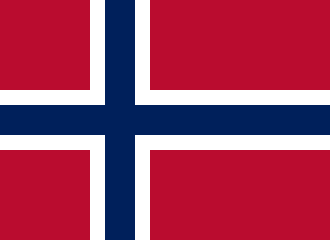
Norway
Country in northern Europe
# Norway **Norway**, officially the **Kingdom of Norway**, is a Nordic country situated in Northern Europe. It occupies the western and northernmost portions of the Scandinavian Peninsula and maintains territory extending into the Arctic and Subantarctic regions. ### Geography and Territory Norway...
Entity Intersection Graph
Connections for Arctic:
View full profileMentioned Entities
Deep Analysis
Why It Matters
This significant defense budget increase matters because it represents Norway's strategic response to heightened security threats in Europe, particularly following Russia's invasion of Ukraine. It affects Norwegian citizens through potential tax implications and enhanced national security, while impacting NATO's collective defense posture in the strategically important High North region. The decision signals a fundamental shift in Norway's security policy from decades of post-Cold War defense cuts to renewed military preparedness.
Context & Background
- Norway shares a 198-kilometer land border with Russia in the Arctic, making it strategically important for NATO's northern flank
- The country has maintained relatively modest defense spending since the Cold War ended, typically around 1.5-2% of GDP
- Russia's 2014 annexation of Crimea and subsequent military modernization in the Arctic had already prompted Norway to begin modest defense increases
- Norway is a founding NATO member (1949) and hosts regular allied exercises, including the annual Cold Response maneuvers
- The 2022 full-scale Russian invasion of Ukraine dramatically altered security calculations across Scandinavia
What Happens Next
Norway's parliament will debate and formalize the budget allocation in upcoming sessions, with initial increases likely beginning in the 2024 fiscal year. The Norwegian military will develop specific procurement plans, potentially including new submarines, fighter aircraft, and coastal defense systems. NATO will likely welcome this commitment as it pushes members toward the 2% of GDP defense spending target ahead of the July 2024 Washington Summit.
Frequently Asked Questions
Norway is responding directly to Russia's invasion of Ukraine and increased military activity in the Arctic region. The security environment in Europe has fundamentally changed, requiring enhanced deterrence capabilities along Norway's border with Russia.
This strengthens Norway's position within NATO as it moves closer to meeting the alliance's 2% of GDP defense spending target. Norway's enhanced capabilities will contribute to collective defense, particularly in monitoring Russian activity in the strategically vital High North.
Norway will probably invest in new submarines to replace aging Ula-class vessels, additional F-35 fighter jets, advanced air defense systems, and enhanced intelligence/surveillance capabilities. Coastal defense and cyber warfare capabilities are also likely priorities.
Norway joins Germany, Poland, and other European nations that have announced major defense increases since Russia's invasion. While substantial, Norway's increase follows years of underinvestment compared to its strategic importance and wealth.
The government hasn't specified funding details, but such a significant increase will likely require either tax increases, reallocation from other budget areas, or increased use of Norway's substantial sovereign wealth fund. Political negotiations will determine the exact financing approach.