
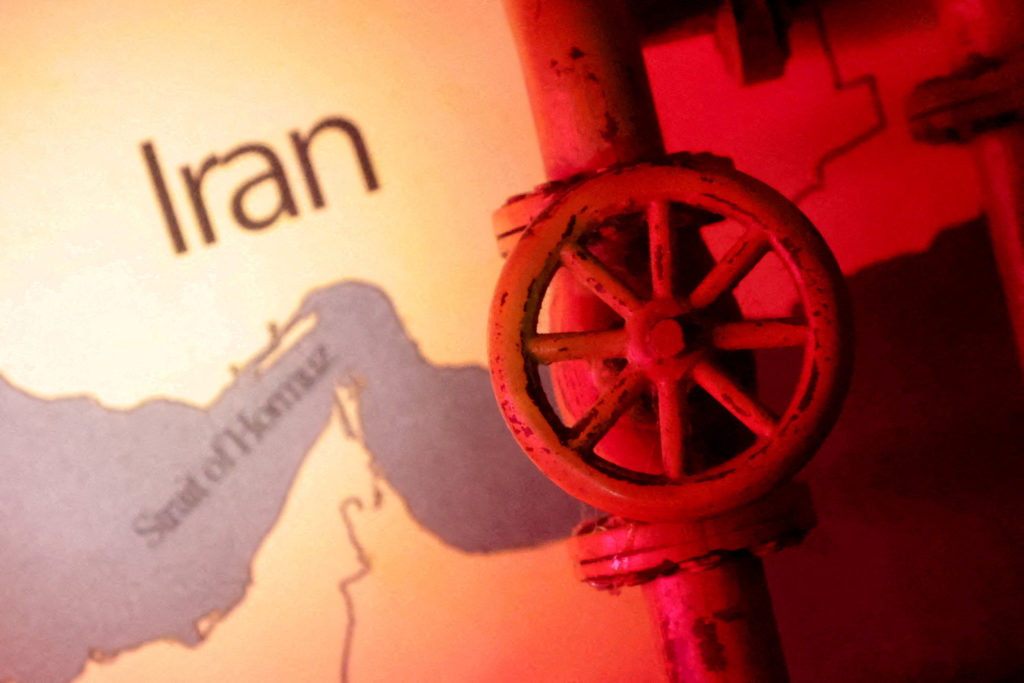
Oil plunges below $95 as Dow surges 1,100 following Iran ceasefire deal
#oil prices #ceasefire #Dow Jones #Iran-Israel conflict #Persian Gulf #market volatility #energy security
📌 Key Takeaways
- Oil prices dropped below $95/barrel following Iran-Israel ceasefire announcement
- Dow Jones surged 1,100 points in response to reduced Middle East conflict risks
- Ceasefire agreement creates temporary diplomatic window but remains fragile
- Markets still reflect elevated risk premiums compared to pre-conflict levels
📖 Full Retelling
🏷️ Themes
Geopolitics, Energy Markets, Financial Markets
📚 Related People & Topics

Dow Jones
List of mass media-related articles with the same name
# Dow Jones **Dow Jones** is a prominent financial information and publishing brand, named after its founding business partners, **Charles Dow** and **Edward Jones**. Historically, the name is synonymous with the development of modern financial journalism and market analysis. ### Etymology and Ori...

Persian Gulf
Arm of the Indian Ocean in West Asia
The Persian Gulf, sometimes called the Arabian Gulf, is a mediterranean sea in West Asia. The body of water is an extension of the Arabian Sea and the larger Indian Ocean located between the Arabian Peninsula and Iran (Persia). It is connected to the Gulf of Oman in the east by the Strait of Hormuz.
Entity Intersection Graph
Connections for Dow Jones:
Mentioned Entities
Deep Analysis
Why It Matters
This news is critical because the Middle East is a linchpin of the global energy supply, with the Strait of Hormuz facilitating about 20% of global oil trade. A reduction in hostilities alleviates immediate fears of supply shocks that could drive up inflation and fuel costs worldwide. Investors and consumers alike benefit from the stabilization of oil prices, which had spiked due to the threat of a broader war. However, the temporary nature of the deal means the global economy remains vulnerable to a sudden resumption of conflict.
Context & Background
- The conflict between Israel and Iran escalated significantly three weeks ago, raising fears of a direct regional war involving global powers.
- The Strait of Hormuz is a narrow strategic waterway between Iran and the Arabian Peninsula, through which a vast portion of the world's oil supply is transported.
- Prior to the recent escalation, oil prices were trading around $85 per barrel, but they surged above $115 as tensions mounted.
- Qatar and Egypt have historically acted as mediators in Middle Eastern conflicts, leveraging their diplomatic channels with various factions.
- The Dow Jones Industrial Average is a major stock market index that often reacts negatively to geopolitical instability and rising energy costs.
What Happens Next
Diplomatic efforts will likely intensify over the next 30 days to extend the temporary ceasefire into a permanent peace agreement. Market analysts will closely monitor compliance with the monitoring mechanism established in Doha, with oil prices potentially stabilizing toward $85 if the peace holds, or spiking again if talks collapse.
Frequently Asked Questions
The stock market surged because the ceasefire significantly reduced the risk of a broader regional war, which calmed investor fears about inflation and energy supply disruptions.
The Strait of Hormuz is critical because approximately 20% of global oil trade passes through it; any blockage there would have catastrophic effects on the world economy.
No, the current agreement is a temporary 30-day humanitarian pause, and while it offers a window for peace, hostilities could resume if a long-term deal isn't reached.
Oil prices dropped from recent peaks above $115 per barrel to below $95 per barrel following the announcement of the deal.