
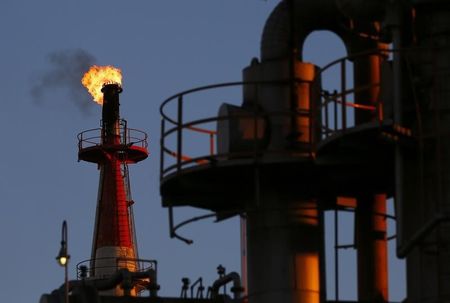
Oil prices jump over 6% on reports of tankers being attacked near Iraq
#oil prices #tanker attacks #Iraq #supply disruption #Middle East #energy markets #geopolitical tension
📌 Key Takeaways
- Oil prices surged over 6% following reports of tanker attacks near Iraq.
- The attacks heightened concerns over supply disruptions in a key oil-producing region.
- Geopolitical tensions in the Middle East are impacting global energy markets.
- The incident underscores the vulnerability of oil supply chains to regional conflicts.
🏷️ Themes
Energy Markets, Geopolitical Risk
📚 Related People & Topics

Iraq
Country in West Asia
Iraq, officially the Republic of Iraq, is a country in West Asia. Located within the geo-political region of the Middle East, it is bordered by Saudi Arabia to the south, Turkey to the north, Iran to the east, the Persian Gulf and Kuwait to the southeast, Jordan to the southwest, and Syria to the we...

Middle East
Transcontinental geopolitical region
The Middle East is a geopolitical region encompassing the Arabian Peninsula, Egypt, Iran, Iraq, the Levant, and Turkey. The term came into widespread usage by Western European nations in the early 20th century as a replacement of the term Near East (both were in contrast to the Far East). The term ...
Entity Intersection Graph
Connections for Iraq:
Mentioned Entities
Deep Analysis
Why It Matters
This news matters because sudden oil price spikes directly impact global energy costs, affecting everything from transportation to manufacturing. Consumers worldwide face higher gasoline and heating prices, while businesses see increased operational expenses. The incident highlights ongoing geopolitical instability in key oil-producing regions, threatening global energy security and potentially triggering broader economic consequences through inflationary pressures.
Context & Background
- The Strait of Hormuz near Iraq is a critical global oil chokepoint, with about 20% of the world's oil passing through this narrow waterway.
- Iraq is OPEC's second-largest oil producer, exporting approximately 3.3 million barrels per day, making regional stability crucial for global supply.
- Previous attacks on tankers in the region, including incidents in 2019 and 2022, have historically caused similar price volatility and raised tensions between regional powers.
- The global oil market remains sensitive to supply disruptions due to relatively tight inventories and ongoing production cuts by OPEC+ nations.
- Maritime security in the Persian Gulf has been a persistent concern, with various state and non-state actors capable of threatening shipping lanes.
What Happens Next
Oil prices will likely remain volatile in coming days as investigators determine responsibility for the attacks. The U.S. and other naval powers may increase patrols in the Persian Gulf region. OPEC+ may reconsider production policies at their next meeting if supply disruptions persist. Energy companies will probably reroute some tankers to avoid the affected area, increasing shipping costs and transit times.
Frequently Asked Questions
Attacks on oil tankers create immediate supply concerns as traders fear reduced shipments from major producers. The market responds to potential disruptions by bidding up prices, especially when incidents occur in critical shipping lanes like those near Iraq.
The duration depends on the severity of the disruption and how quickly normal shipping resumes. Temporary spikes may last days to weeks, while sustained increases occur if attacks become frequent or if major infrastructure is damaged.
Asian economies like China, India, Japan and South Korea are most vulnerable as they import the majority of their oil from the Middle East. European nations also face significant impacts due to their reliance on seaborne crude shipments.
Governments can release strategic petroleum reserves to increase supply temporarily. They can also work diplomatically to enhance maritime security and pressure oil producers to increase output to compensate for any disruptions.
Oil price spikes often accelerate investment in renewable alternatives as countries and companies seek energy independence. However, they can also temporarily increase costs for solar and wind projects that rely on petroleum-based materials and transportation.