
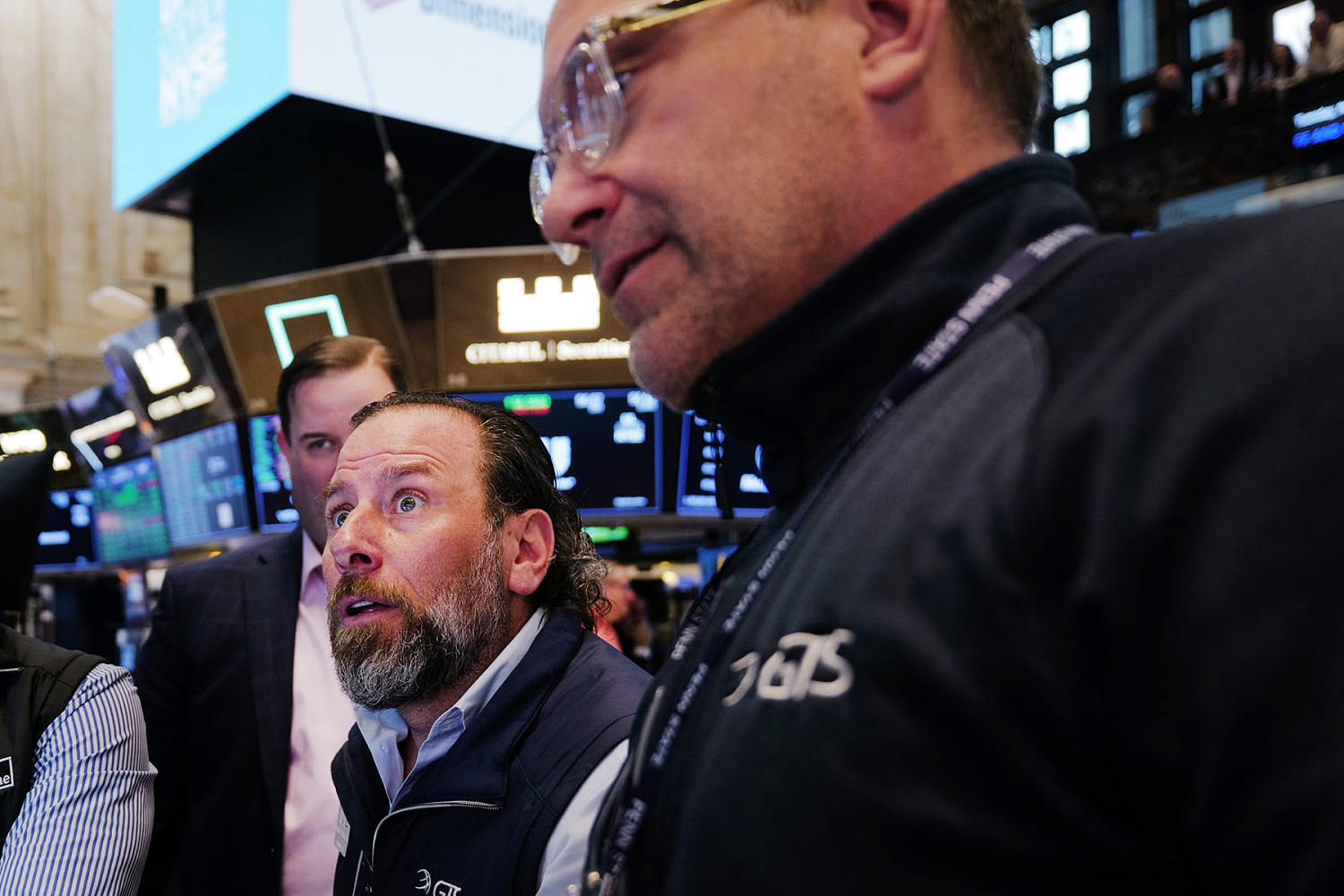
Oil soars past $110, stocks sell off after Trump's Iran war address contains no off-ramp
📖 Full Retelling
📚 Related People & Topics

Iran
Country in West Asia
# Iran **Iran**, officially the **Islamic Republic of Iran** and historically known as **Persia**, is a sovereign country situated in West Asia. It is a major regional power, ranking as the 17th-largest country in the world by both land area and population. Combining a rich historical legacy with a...

Donald Trump
President of the United States (2017–2021; since 2025)
Donald John Trump (born June 14, 1946) is an American politician, media personality, and businessman who is the 47th president of the United States. A member of the Republican Party, he served as the 45th president from 2017 to 2021. Born into a wealthy New York City family, Trump graduated from the...
Entity Intersection Graph
Connections for Iran:
Mentioned Entities
Deep Analysis
Why It Matters
This news matters because it directly impacts global energy markets and financial stability. The surge in oil prices above $110 per barrel increases costs for consumers and businesses worldwide, potentially fueling inflation. The stock market sell-off reflects investor anxiety about escalating geopolitical tensions and their economic consequences. This affects everyone from drivers paying more at the pump to retirees with investment portfolios to governments managing economic policy.
Context & Background
- The U.S. and Iran have had tense relations since the 1979 Iranian Revolution and subsequent hostage crisis
- Previous administrations pursued diplomatic approaches including the 2015 Iran nuclear deal (JCPOA) which Trump withdrew from in 2018
- The Strait of Hormuz, through which about 20% of global oil passes, has been a frequent flashpoint in U.S.-Iran tensions
- Oil prices are sensitive to Middle East conflicts due to the region's substantial petroleum reserves and production capacity
What Happens Next
Markets will closely monitor Iran's response and potential retaliatory measures. The U.S. may face pressure from allies to de-escalate tensions. OPEC+ members could consider increasing production to stabilize oil prices. Additional sanctions or military movements could further roil markets in coming days.
Frequently Asked Questions
The Middle East contains approximately 48% of the world's proven oil reserves. Any conflict in the region threatens production and transportation routes, particularly through the critical Strait of Hormuz, creating supply concerns that drive prices higher.
Higher oil prices increase gasoline and heating costs directly. They also raise transportation and manufacturing expenses, which often get passed to consumers through higher prices for goods and services across the economy.
An off-ramp refers to a diplomatic pathway that allows parties to de-escalate tensions without losing face. The absence of an off-ramp in Trump's address suggests no clear exit strategy from the current confrontation with Iran.
Sharp oil price increases raise concerns about corporate profit margins, consumer spending power, and potential inflation. This creates uncertainty that typically leads investors to reduce risk exposure by selling stocks.
European and Asian allies who depend on Middle Eastern oil and prefer diplomatic solutions may distance themselves from U.S. actions. This could strain traditional alliances and complicate coordinated responses to regional instability.