
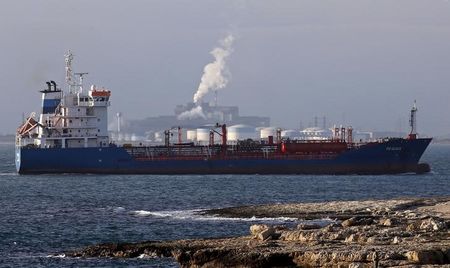
Oman evacuates key oil terminal after tanker attacks in Iraqi waters – Bloomberg
#Oman #oil terminal #tanker attacks #Iraqi waters #evacuation #Bloomberg #maritime security
📌 Key Takeaways
- Oman evacuated a key oil terminal following tanker attacks in Iraqi waters.
- The attacks targeted tankers, raising security concerns in the region.
- The incident highlights vulnerabilities in critical maritime oil infrastructure.
- Bloomberg reported the evacuation, indicating potential impacts on oil supply routes.
🏷️ Themes
Maritime Security, Oil Industry
📚 Related People & Topics

Oman
Country in West Asia
Oman, officially the Sultanate of Oman, is a country in the southeastern Arabian Peninsula in West Asia. It shares land borders with Saudi Arabia, the United Arab Emirates, and Yemen. Oman's coastline faces the Arabian Sea to the southeast and the Gulf of Oman on the northeast.
Entity Intersection Graph
Connections for Oman:
Mentioned Entities
Deep Analysis
Why It Matters
This evacuation of Oman's key oil terminal directly threatens regional energy security and global oil supply chains, potentially causing price volatility. It affects shipping companies, oil traders, and economies dependent on stable Middle Eastern exports. The incident escalates maritime security concerns in the Persian Gulf, impacting neighboring countries and international naval forces patrolling these waters.
Context & Background
- The Strait of Hormuz is a critical chokepoint where about 20% of global oil trade passes through daily
- Previous attacks on tankers in 2019-2020 led to increased military presence and insurance premiums for shipping in the region
- Oman has traditionally maintained neutrality in regional conflicts, making its involvement particularly significant
- Iraq has struggled to secure its territorial waters amid political instability and militia activities
- The Persian Gulf has seen repeated maritime incidents involving Iran, Saudi Arabia, and other regional powers over the past decade
What Happens Next
Increased naval patrols by regional and international forces are likely within 48-72 hours. Oil prices may spike temporarily as markets assess supply disruption risks. Oman and Iraq will likely conduct joint security investigations, with results expected within a week. The UN Security Council may convene emergency discussions if attacks continue.
Frequently Asked Questions
Oman is taking precautionary measures because maritime attacks often indicate broader regional instability that could spread. The evacuation suggests intelligence about potential threats to Omani facilities or concerns about retaliatory actions affecting nearby operations.
Immediate price increases are likely due to perceived supply risks, though the actual impact depends on whether alternative shipping routes remain available. Long-term effects will be determined by how quickly security is restored and whether attacks continue.
Possible actors include regional militant groups, state-sponsored proxies, or criminal organizations. Previous similar incidents have been attributed to various actors including Iranian-backed militias and non-state actors seeking to disrupt regional stability.
Oman maintains neutrality and often mediates regional conflicts, making its involvement significant. The country hosts important oil infrastructure and serves as a key shipping hub, giving it strong interest in maritime security.
Insurance premiums for vessels in the Persian Gulf will likely increase immediately. Some insurers may temporarily suspend coverage or require additional security measures before approving voyages through affected areas.