

One battle after another: Netanyahu’s new security doctrine
📚 Related People & Topics
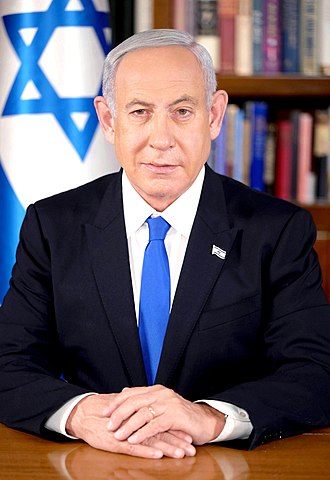
Benjamin Netanyahu
Prime Minister of Israel (1996–1999; 2009–2021; since 2022)
Benjamin "Bibi" Netanyahu (born 21 October 1949) is an Israeli politician and diplomat who has served as Prime Minister of Israel since 2022. Having previously held office from 1996 to 1999 and from 2009 to 2021, Netanyahu is Israel's longest-serving prime minister. Born in Tel Aviv, Netanyahu was r...
Entity Intersection Graph
Connections for Benjamin Netanyahu:
Mentioned Entities
Deep Analysis
Why It Matters
This news matters because it outlines a fundamental shift in Israel's national security strategy under Prime Minister Netanyahu, potentially affecting regional stability and military engagements. It impacts Israeli citizens who face ongoing security threats, neighboring countries that may experience increased military operations, and international stakeholders including the United States and regional allies. The doctrine's emphasis on continuous military engagement could reshape Israel's approach to conflicts with Hamas, Hezbollah, and Iran, with implications for civilian populations and diplomatic relations across the Middle East.
Context & Background
- Israel has historically pursued a strategy of deterrence and decisive military victories in conflicts with neighboring states and non-state actors
- Netanyahu has served as Israel's prime minister for over 15 years across multiple terms, making him the country's longest-serving leader
- Recent years have seen increased tensions with Iran's nuclear program and its proxy forces in Syria, Lebanon, and Gaza
- Israel has faced persistent rocket attacks from Gaza and periodic escalations with Hezbollah along the northern border
- The Abraham Accords normalized relations between Israel and several Arab states beginning in 2020
What Happens Next
Implementation of this doctrine will likely lead to more frequent military operations against perceived threats, potentially including preemptive strikes. Regional tensions may escalate as Israel adopts a more proactive stance against Iranian proxies and nuclear facilities. International diplomatic efforts will intensify to prevent broader conflict, while domestic political debates in Israel will focus on the doctrine's sustainability and human costs.
Frequently Asked Questions
The doctrine appears to shift Israel from reactive defense to proactive, continuous military engagement against multiple threats simultaneously. It represents a departure from previous strategies that focused on decisive victories in individual conflicts.
Palestinian territories may experience more frequent military operations and heightened security measures. The doctrine could lead to intensified pressure on Hamas and other militant groups, potentially increasing civilian casualties and humanitarian concerns.
The United States and European allies will need to recalibrate their diplomatic approaches to Middle East conflicts. Regional partners like Egypt and Jordan may face pressure to mediate while balancing their own security interests.
The doctrine likely includes provisions for addressing Iran's nuclear ambitions more aggressively. This could mean increased covert operations, cyber attacks, or potential military strikes against nuclear facilities.
The doctrine will face scrutiny from opposition parties and security experts concerned about military overextension. Public opinion may shift based on casualty rates and economic impacts of continuous military engagements.