
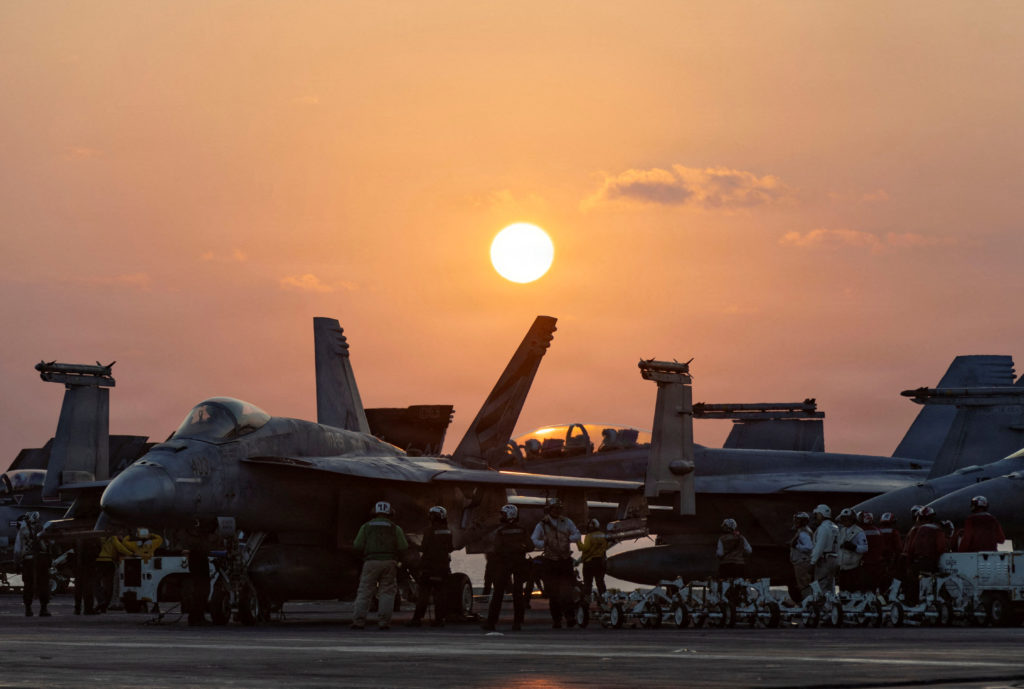
Pentagon says about 140 U.S. troops have been injured in Iran war so far, 8 severely
#Pentagon #U.S. troops #injured #Iran war #casualties #severe injuries #military conflict
📌 Key Takeaways
- Approximately 140 U.S. troops have been injured in the Iran war to date.
- Eight of the injured troops are reported to be in severe condition.
- The Pentagon has officially confirmed these casualty figures.
- The injuries highlight the ongoing military engagement and risks in the conflict.
📖 Full Retelling
🏷️ Themes
Military Casualties, Iran Conflict
Entity Intersection Graph
No entity connections available yet for this article.
Deep Analysis
Why It Matters
This news matters because it reveals the human cost of U.S. military involvement in Iran-related conflicts, which affects military families, defense policy, and public opinion. The significant number of injuries indicates ongoing combat operations that could escalate tensions in the Middle East. This information is crucial for congressional oversight of military engagements and for understanding the real-world consequences of foreign policy decisions.
Context & Background
- U.S.-Iran tensions have been high since the 1979 Iranian Revolution and subsequent hostage crisis
- Recent conflicts have included proxy wars in Syria, Iraq, and Yemen where Iranian-backed militias have targeted U.S. forces
- The U.S. maintains approximately 2,500 troops in Iraq and 900 in Syria as part of counter-ISIS operations
- Iran has developed sophisticated drone and missile capabilities that have been used against U.S. positions in the region
What Happens Next
Congress will likely demand more detailed briefings on troop injuries and mission objectives. The Pentagon may face pressure to either escalate military response against Iranian proxies or withdraw forces to prevent further casualties. Military families and veterans groups will advocate for better support services for injured personnel. The administration will need to justify continued military presence amid growing public scrutiny.
Frequently Asked Questions
Injuries likely range from traumatic brain injuries from explosions to gunshot wounds and shrapnel injuries. The 'severe' category typically includes life-threatening injuries requiring extensive medical treatment and long-term rehabilitation.
U.S. forces remain to counter ISIS resurgence, train local partners, and maintain regional stability. Their presence also serves as a deterrent against Iranian expansion and protects strategic interests including oil shipping routes.
The Pentagon categorizes injuries by severity and cause, with reporting requirements varying by conflict zone. Serious injuries requiring evacuation or extended hospitalization trigger additional notification procedures to Congress and the public.
Injured service members receive medical care through military hospitals and VA facilities, along with disability benefits, rehabilitation services, and transition assistance. Severely injured troops may qualify for lifetime care and specialized support programs.