

Pepsi Drops Sponsorship of London Music Festival Headlined by Ye
#Pepsi #sponsorship #London #music festival #Ye #corporate #controversy
📌 Key Takeaways
- Pepsi has ended its sponsorship of a London music festival headlined by Ye
- The decision follows controversy surrounding Ye's recent public statements
- The festival's future may be impacted by the loss of major corporate backing
- This reflects growing corporate caution around celebrity associations
📖 Full Retelling
🏷️ Themes
Corporate Sponsorship, Celebrity Controversy
📚 Related People & Topics

Pepsi
Soft drink by PepsiCo
Pepsi is a carbonated soft drink with a cola flavor, manufactured by PepsiCo which serves as its flagship product. In 2023, Pepsi was the second most valuable soft drink brand worldwide behind Coca-Cola; the two share a long-standing rivalry in what has been called the "cola wars". Pepsi, originally...
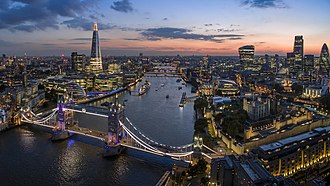
London
Capital of England and the United Kingdom
London is the capital and largest city of both England and the United Kingdom, with a population of 9.1 million people in 2024. Its wider metropolitan area is the largest in Western Europe, with a population of 15.1 million. London stands on the River Thames in southeast England, at the head of a 50...
Entity Intersection Graph
Connections for Ye:
View full profileMentioned Entities
Deep Analysis
Why It Matters
This news matters because it highlights how corporations are increasingly distancing themselves from controversial figures to protect their brand reputation and align with public sentiment. It affects Pepsi's marketing strategy, the festival's financial viability, and Ye's career prospects, while signaling to other brands the risks of association with polarizing individuals. The decision also reflects broader societal pressures on companies to take ethical stances, potentially influencing future sponsorship deals in the entertainment industry.
Context & Background
- Ye (formerly Kanye West) has faced widespread criticism and lost multiple brand partnerships in recent years due to antisemitic and other offensive remarks.
- Pepsi has a history of high-profile sponsorships in music and sports, often aiming to connect with diverse audiences through cultural events.
- Corporate sponsorships are crucial for funding large-scale music festivals, which rely on brand support for production costs and artist fees.
- In 2022, companies like Adidas and Balenciaga severed ties with Ye after his controversial statements, leading to significant financial and reputational fallout.
- London's music festival scene is competitive, with sponsorships often tied to brand visibility, audience engagement, and social responsibility commitments.
What Happens Next
The festival organizers will likely seek alternative sponsors to cover the funding gap, possibly facing challenges due to Ye's involvement. Pepsi may reallocate its marketing budget to other events or campaigns that align with less controversial figures. Ye's future festival bookings could be impacted as other brands assess the risks of association, potentially leading to further isolation in the industry.
Frequently Asked Questions
Pepsi likely dropped the sponsorship to avoid association with Ye's controversial history, including antisemitic remarks, which could damage its brand image and alienate consumers. This aligns with a trend of brands cutting ties with polarizing figures to mitigate reputational risks.
The festival may face financial strain without Pepsi's support, potentially leading to budget cuts, scaled-back production, or higher ticket prices. Organizers might struggle to find a replacement sponsor quickly, impacting the event's overall quality and lineup.
This adds to Ye's growing list of lost partnerships, further limiting his mainstream commercial opportunities and influence in the music industry. It signals that major brands remain wary of associating with him, potentially affecting future collaborations and public appearances.
Other sponsors may reassess their involvement with events featuring Ye, especially if public pressure or ethical concerns arise. However, some niche or independent brands might still engage with him, depending on their target audience and risk tolerance.
This reflects a broader trend where corporations prioritize brand safety and social responsibility, often cutting ties with controversial figures to align with consumer expectations. It underscores the increasing influence of public sentiment on corporate sponsorship decisions in the entertainment sector.