

Pixar’s Pete Docter Says Queer ‘Elio’ Storyline Was Axed Because “We’re Making A Movie, Not Hundreds Of Millions Of Dollars Of Therapy”
#Pixar #Pete Docter #Elio #queer storyline #movie production #LGBTQ+ representation #commercial success #family films
📌 Key Takeaways
- Pete Docter revealed a queer storyline was cut from Pixar's 'Elio'
- The decision was made to prioritize the film's commercial success over personal themes
- Docter emphasized the goal is to make a movie, not provide therapeutic content
- The removal reflects ongoing debates about LGBTQ+ representation in family films
📖 Full Retelling
🏷️ Themes
Film Production, LGBTQ+ Representation
📚 Related People & Topics
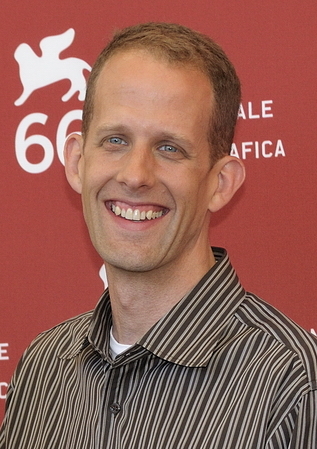
Pete Docter
American filmmaker (born 1968)
Peter Hans Docter (born October 9, 1968) is an American director and animator. He has served as chief creative officer (CCO) of Pixar since 2018. He has directed the company's animated films Monsters, Inc.

Pixar
American computer animation studio
Pixar (), doing business as Pixar Animation Studios, is an American animation studio based in Emeryville, California, known for its commercially successful computer-animated feature films. Pixar is a subsidiary of Walt Disney Studios, a division of the Disney Entertainment segment of the Walt Disney...
Entity Intersection Graph
Connections for Elio:
Mentioned Entities
Deep Analysis
Why It Matters
This news matters because it reveals ongoing tensions between artistic expression and commercial considerations in major animation studios, particularly regarding LGBTQ+ representation. It affects LGBTQ+ audiences who seek authentic representation in family entertainment, animation industry professionals navigating creative decisions, and Disney/Pixar's corporate reputation regarding diversity commitments. The statement raises questions about whether financial risk calculations are limiting inclusive storytelling in mainstream cinema.
Context & Background
- Pixar has faced internal criticism and employee walkouts over Disney's handling of LGBTQ+ content, including the 'Don't Say Gay' bill controversy in Florida
- Recent Pixar films like 'Lightyear' (2022) included same-sex relationships but faced distribution challenges in some international markets
- Pete Docter is Pixar's Chief Creative Officer and directed acclaimed films including 'Inside Out' and 'Up'
- The film 'Elio' is scheduled for 2025 release and follows an 11-year-old boy who becomes Earth's interstellar ambassador
- Disney has increasingly incorporated LGBTQ+ characters in recent years while facing backlash from both conservative groups and LGBTQ+ advocates
What Happens Next
Pixar will likely face continued scrutiny regarding LGBTQ+ representation in 'Elio' as marketing ramps up toward its 2025 release. Industry observers will monitor whether similar creative decisions affect other upcoming Pixar projects. The controversy may influence internal discussions at Disney about balancing global market considerations with inclusive storytelling. LGBTQ+ advocacy groups may issue statements or organize responses to Docter's comments.
Frequently Asked Questions
While specific details weren't provided, Docter's comments indicate a queer storyline or character element was removed during development. The reference to 'therapy' suggests the content may have involved personal identity exploration that was deemed too complex or controversial for the film's commercial goals.
Pixar likely considers international market sensitivities, particularly in regions with restrictive LGBTQ+ laws or cultural norms. Major studios often edit content to maximize global box office potential, though this increasingly conflicts with diversity commitments and audience expectations in domestic markets.
Reactions have been mixed - some praise incremental representation while others criticize 'token' inclusion or last-minute edits. The 'Lightyear' same-sex kiss generated both celebration and controversy, demonstrating the polarized responses to LGBTQ+ content in family films.
The 'therapy' comment appears to reference the idea that films shouldn't serve as psychological treatment or heavy social messaging. This suggests Pixar leadership views certain LGBTQ+ narratives as overly didactic or emotionally burdensome rather than organic storytelling.
This reinforces perceptions that Pixar prioritizes commercial success over artistic risk-taking regarding social issues. While the studio maintains technical excellence, such decisions may alienate creatives and audiences who expect progressive storytelling from the company.