
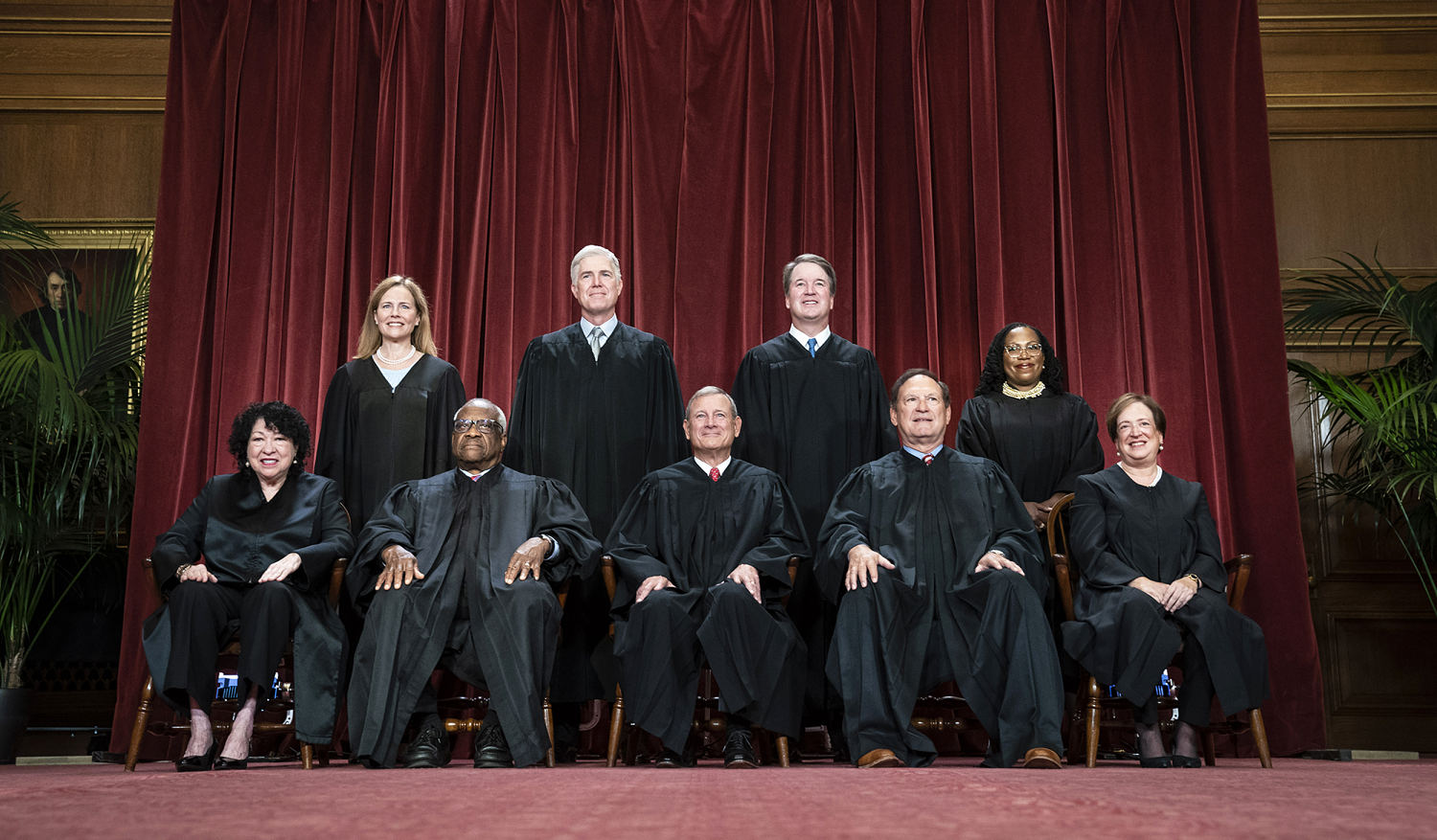
Poll: Confidence in the Supreme Court drops to a record low
#Supreme Court #confidence #poll #record low #public trust #legitimacy #judicial branch
📌 Key Takeaways
- Public confidence in the Supreme Court has reached a historic low according to a new poll.
- The decline reflects growing public dissatisfaction with the institution.
- The poll results highlight a significant shift in public trust over time.
- This record low confidence may impact the Court's perceived legitimacy.
📖 Full Retelling
🏷️ Themes
Public Trust, Judicial Legitimacy
📚 Related People & Topics
Supreme court
Highest court in a jurisdiction
In most legal jurisdictions, a supreme court, also known as a court of last resort, apex court, high (or final) court of appeal, and court of final appeal, is the highest court within the hierarchy of courts. Broadly speaking, the decisions of a supreme court are binding on all other courts in a nat...
Entity Intersection Graph
Connections for Supreme court:
Mentioned Entities
Deep Analysis
Why It Matters
This news matters because public confidence in the Supreme Court is fundamental to the legitimacy of the judicial branch in a democratic system. When trust erodes, it can undermine compliance with court rulings and weaken the rule of law. The decline affects all citizens who rely on the Court to interpret laws impartially, and it signals broader concerns about political polarization influencing judicial decisions.
Context & Background
- Public trust in the Supreme Court has fluctuated over decades but remained relatively high compared to other institutions until recent years.
- The Court's approval ratings began a notable decline following controversial decisions and increased perceptions of partisanship.
- Historical polling by Gallup and other organizations shows confidence peaks during periods of perceived judicial restraint and bipartisan consensus.
- Recent contentious confirmation hearings for justices have contributed to perceptions of the Court as politically aligned.
- The Court's role in deciding high-profile cases on abortion, voting rights, and executive power has placed it at the center of political debates.
What Happens Next
If the trend continues, Congress may face increased pressure to consider judicial reforms, such as term limits or ethics regulations for justices. Public scrutiny will likely intensify around upcoming rulings, particularly on divisive issues. The Court itself may respond through transparency measures or unanimous decisions to rebuild trust, but polarization may persist through the next election cycle.
Frequently Asked Questions
The decline is attributed to perceptions of political partisanship, controversial rulings, and ethical concerns about justices. Recent high-stakes cases on social issues have amplified public divisions, while media coverage often frames the Court through a political lens.
The Supreme Court's confidence drop mirrors broader declines in trust across U.S. institutions, but it remains higher than Congress or the media. Historically, the judiciary was viewed as more impartial, but it is now converging with partisan trends seen in other branches.
Yes, but it would require consistent rulings perceived as nonpartisan and efforts to address ethics concerns. Restoring trust may take years and depend on avoiding decisions seen as overtly ideological, especially in election-related cases.
Lower confidence could lead to increased public criticism and noncompliance with unpopular decisions. Justices might face more scrutiny of their personal conduct, and political campaigns may emphasize Court appointments as a key issue.
Major polls like Gallup or Pew Research typically track Court confidence, using nationally representative samples. Reliability depends on methodology, but trends across multiple polls suggest a genuine decline rather than a temporary fluctuation.