
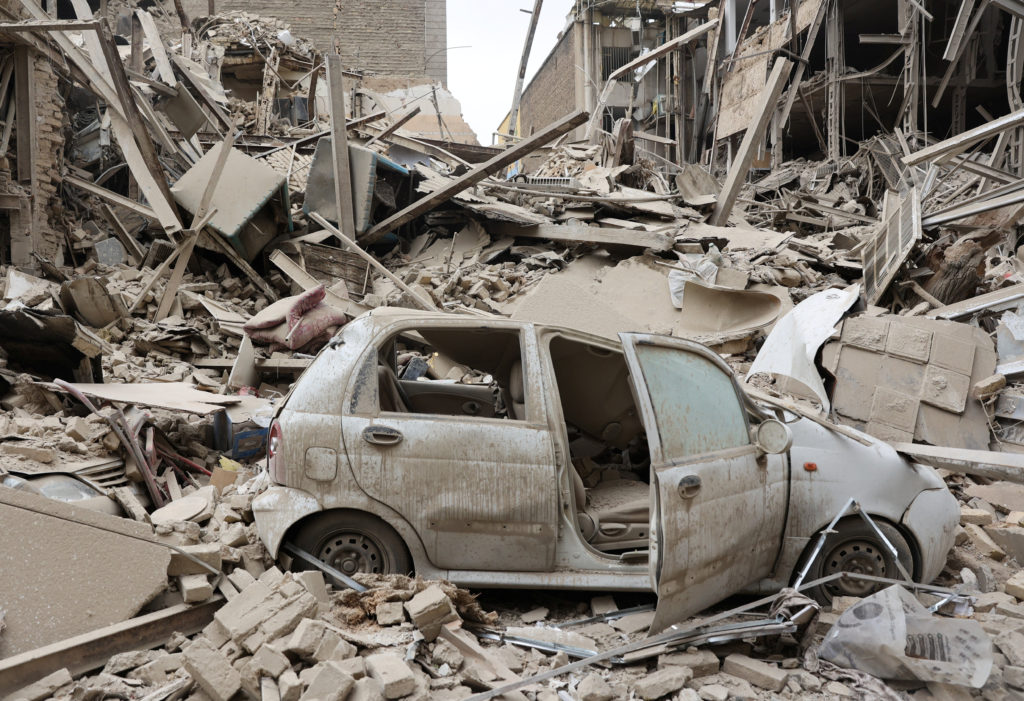
Poll shows most Americans feel war against Iran has gone too far
#poll #Americans #war #Iran #public opinion #military #conflict
📌 Key Takeaways
- A majority of Americans believe the war against Iran has escalated beyond acceptable limits.
- Public opinion reflects growing discontent with the conflict's current trajectory.
- The poll indicates a shift in sentiment regarding U.S. military involvement with Iran.
- Concerns over the war's duration and impact are widespread among respondents.
📖 Full Retelling
🏷️ Themes
Public Opinion, Military Conflict
📚 Related People & Topics

Americans
People of the United States
Americans are the citizens and nationals of the United States. U.S. federal law does not equate nationality with race or ethnicity, but rather with citizenship. The U.S. has 37 ancestry groups with more than one million individuals.

Iran
Country in West Asia
# Iran **Iran**, officially the **Islamic Republic of Iran** and historically known as **Persia**, is a sovereign country situated in West Asia. It is a major regional power, ranking as the 17th-largest country in the world by both land area and population. Combining a rich historical legacy with a...
Entity Intersection Graph
Connections for Americans:
Mentioned Entities
Deep Analysis
Why It Matters
This poll reveals significant public sentiment against the ongoing conflict with Iran, which could influence U.S. foreign policy decisions and military strategy. It matters because public opinion often shapes political pressure on elected officials, potentially affecting funding, troop deployments, and diplomatic approaches. The findings impact military families, policymakers, and international allies who must navigate shifting American priorities. If sustained, this sentiment could lead to calls for de-escalation or altered engagement strategies in the region.
Context & Background
- U.S.-Iran tensions have persisted for decades, dating back to the 1979 Iranian Revolution and subsequent hostage crisis.
- Recent conflicts have included targeted strikes, proxy warfare in the Middle East, and disputes over Iran's nuclear program.
- Previous polls during earlier phases of the conflict showed more divided public opinion, with some supporting assertive actions.
- American military involvement in the Middle East has been a recurring theme since the early 2000s, affecting public war-weariness.
- The current administration has maintained a firm stance on Iran, citing regional security and non-proliferation concerns.
What Happens Next
Political leaders may face increased pressure to justify or recalibrate their Iran strategy ahead of upcoming elections. Congressional debates over military authorization or funding could intensify, with some lawmakers advocating for a drawdown. Diplomatic channels might see renewed interest as alternatives to military escalation, though substantive talks would require concessions from both sides. Public demonstrations or advocacy campaigns could emerge, amplifying calls for peace or revised foreign policy.
Frequently Asked Questions
It typically suggests that respondents believe military actions have exceeded reasonable bounds, possibly in duration, scale, or humanitarian impact. This could reflect concerns about prolonged engagement, escalating violence, or unintended consequences like regional instability or civilian casualties.
Policymakers could face pressure to pursue diplomatic solutions or scale back military operations. However, strategic interests and security assessments may still dominate decisions, especially if Iran is perceived as an ongoing threat. The poll might encourage more public messaging to justify current approaches or explore phased de-escalation.
While the article doesn't specify, such polls often show divides, with liberals more likely to oppose military action and conservatives more supportive. However, war-weariness can cross party lines, especially after prolonged conflicts, potentially creating unusual political alliances on foreign policy.
Unlikely without a broader political or strategic shift, as military decisions typically weigh multiple factors beyond public opinion. However, it might prompt incremental changes, such as reduced troop levels, altered rules of engagement, or enhanced oversight of military operations.
Polls provide a snapshot of sentiment but don't guarantee policy shifts, especially in national security matters where executive authority is strong. Sustained public pressure, combined with electoral consequences or bipartisan consensus, increases the likelihood of impact, but immediate changes are often gradual.