
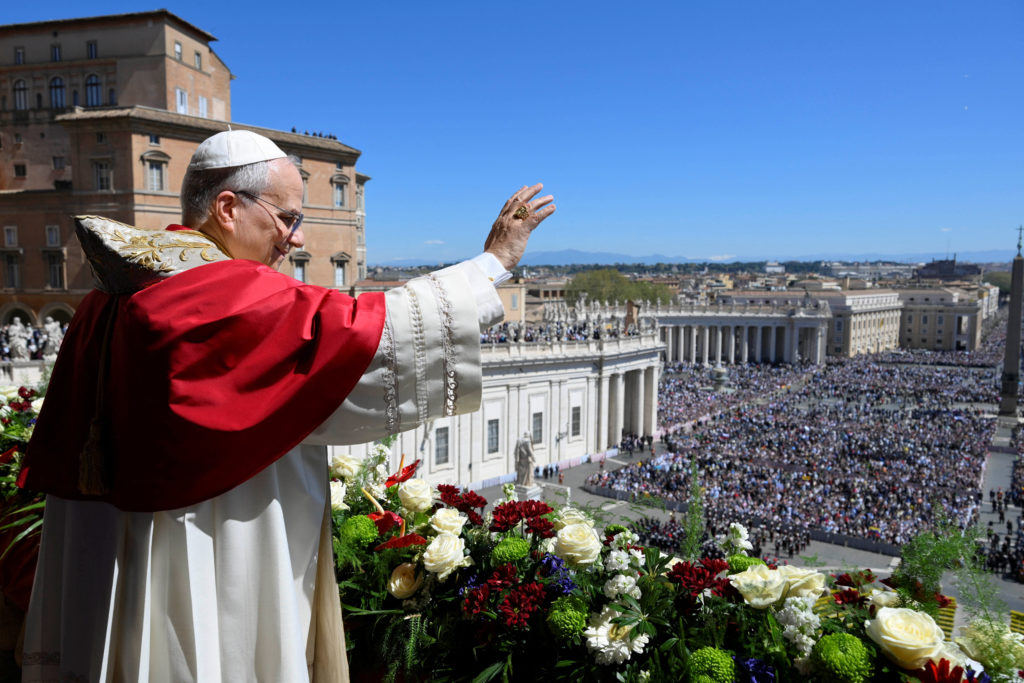
Pope Leo XIV calls for peace in first Easter Mass as pontiff as Christians celebrate worldwide
#Pope Leo XIV #Easter Mass #peace #Christianity #pontiff #global unity #religious celebration
📌 Key Takeaways
- Pope Leo XIV delivered his first Easter Mass as pontiff, emphasizing a call for global peace.
- The address occurred during worldwide Christian celebrations of Easter, highlighting its significance.
- The Pope's message focused on unity and reconciliation among nations and communities.
- This event marks a key early public engagement for the new pontiff, setting a tone for his papacy.
📖 Full Retelling
🏷️ Themes
Religion, Peace
📚 Related People & Topics

Easter
Christian commemoration of the resurrection of Jesus
Easter, also called Pasch () or Pascha (Aramaic: פַּסְחָא , paskha; Greek: πάσχα, páskha) or Resurrection Sunday, is a Christian festival and cultural holiday commemorating the resurrection of Jesus from the dead, described in the New Testament as having occurred on the third day of his burial follo...
Pope Leo
Topics referred to by the same term
Pope Leo is the name of fourteen heads of the Catholic Church:

Pope Leo XIV
Head of the Catholic Church since 2025
Pope Leo XIV (born Robert Francis Prevost, pronounced PREE-vohst, September 14, 1955) is the head of the Catholic Church and sovereign of Vatican City. He is the first pope to have been born in the United States, the first to hold either U.S. or Peruvian citizenships, the first from the Order of Sa...

Christianity
Abrahamic monotheistic religion
Christianity is an Abrahamic monotheistic religion, which states that Jesus is the Son of God and rose from the dead after his crucifixion, whose coming as the messiah (Christ) was prophesied in the Old Testament and chronicled in the New Testament. It is the world's largest and most widespread reli...
Entity Intersection Graph
Connections for Easter:
Mentioned Entities
Deep Analysis
Why It Matters
This news matters because it represents the first major public address by a new global religious leader during Christianity's most significant holiday, potentially setting the tone for his papacy. The Pope's peace message carries weight for over 1.3 billion Catholics worldwide and influences interfaith relations and global conflict zones. As the first Easter address of a new pontiff, it signals potential shifts in Vatican priorities and diplomatic approaches that could affect international relations and humanitarian efforts.
Context & Background
- Easter is the most important Christian holiday celebrating Jesus Christ's resurrection, with over 2 billion Christians worldwide observing it
- Papal Easter messages traditionally address global issues and set moral direction for the Catholic Church
- New popes often use their first major addresses to establish priorities and theological emphasis for their papacy
- The Vatican has historically played diplomatic roles in international conflicts through moral authority rather than political power
- Previous popes have used Easter messages to call for peace in specific regions like Ukraine, Middle East, and Africa
What Happens Next
Vatican diplomats will likely amplify the peace message through official channels and meetings with world leaders in coming weeks. Catholic communities worldwide will discuss and implement the message through local initiatives. The Pope's upcoming travels and encyclicals may further develop this peace theme, with potential diplomatic visits to conflict zones. Media and religious analysts will scrutinize how this message translates into concrete Vatican policies and interventions.
Frequently Asked Questions
A new pope's first Easter message establishes the tone and priorities for their papacy during Christianity's most important celebration. It signals to both Catholic faithful and world leaders what moral issues will receive emphasis. This address often reveals how the new pontiff will balance tradition with contemporary global challenges.
While papal messages lack political enforcement power, they can influence Catholic populations in conflict areas and pressure governments through moral authority. The Vatican may follow with diplomatic initiatives or humanitarian efforts. Historically, papal peace calls have sometimes opened dialogue channels between warring parties when combined with Vatican diplomacy.
Each pope brings unique background and emphasis - Pope Leo XIV's message will be analyzed for new theological approaches or priority regions. Comparisons will be made to predecessors like Francis, Benedict XVI, and John Paul II regarding tone, specific conflicts mentioned, and proposed solutions. The historical context of current global conflicts will shape how this message is received.
Responses vary from appreciation of moral leadership to skepticism about practical impact. Other Christian denominations often welcome such messages, while secular governments may acknowledge them diplomatically without policy changes. Interfaith leaders generally support peace calls but may seek more concrete interreligious cooperation initiatives.