

Pressure grows on Starmer to drop EU ‘red lines’
#Keir Starmer #EU red lines #Labour Party #Brexit #political pressure #UK-EU relations #policy change
📌 Key Takeaways
- Keir Starmer faces increasing pressure to abandon his EU 'red lines'
- The pressure suggests internal or external challenges to his current EU stance
- This could impact Labour's policy direction on European relations
- The situation highlights ongoing political debates over UK-EU relations post-Brexit
📖 Full Retelling
🏷️ Themes
UK Politics, EU Relations
📚 Related People & Topics
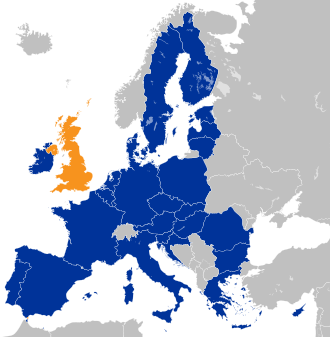
Brexit
Withdrawal of the UK from the EU
Brexit (; a portmanteau of "Britain" and "Exit") was the withdrawal of the United Kingdom (UK) from the European Union (EU). Brexit took place at 23:00 GMT on 31 January 2020 (00:00 1 February 2020 CET). The UK, which joined the EU precursor, the European Communities (EC), on 1 January 1973, is the ...
Labour Party
Topics referred to by the same term
Labour Party or Labor Party is a name used by many political parties. These political parties are generally left-wing or centre-left, usually with nominal commitments to social democracy and/or democratic socialism.

Keir Starmer
Prime Minister of the United Kingdom since 2024
# Sir Keir Starmer **Sir Keir Rodney Starmer** (born 2 September 1962) is a British politician and lawyer serving as Prime Minister of the United Kingdom since July 2024. A member of the Labour Party, he has served as Leader of the Labour Party since 2020 and has been the Member of Parliament (MP) ...
Entity Intersection Graph
Connections for Brexit:
Mentioned Entities
Deep Analysis
Why It Matters
This news matters because it signals potential shifts in UK-EU relations under the new Labour government, affecting trade, immigration, and regulatory alignment. It impacts British businesses trading with Europe, citizens concerned about sovereignty, and European partners negotiating future arrangements. The outcome could reshape economic ties and political dynamics between the UK and EU for years to come.
Context & Background
- The UK left the EU in January 2020 after the 2016 Brexit referendum
- Labour's election manifesto pledged to improve relations with the EU while ruling out rejoining the single market or customs union
- Prime Minister Keir Starmer previously set 'red lines' including no return to freedom of movement and no major EU budget contributions
- The UK-EU Trade and Cooperation Agreement has been reviewed every five years, with the first review approaching
What Happens Next
Expect intensified negotiations between UK and EU officials in early 2025, with potential announcements at the next UK-EU Partnership Council meeting. Parliamentary debates on any proposed changes will likely occur by spring 2025, with possible adjustments to trade protocols and regulatory alignment by late 2025.
Frequently Asked Questions
Starmer's red lines include no return to freedom of movement, no rejoining the EU single market or customs union, and no major financial contributions to the EU budget. These positions were central to Labour's election campaign to distinguish themselves from both Conservative Brexit policies and pro-rejoin factions.
Pressure is mounting from business groups seeking smoother trade, from European partners wanting closer cooperation on security and research, and from within Starmer's own party where some members advocate for closer EU ties. Economic challenges and bureaucratic trade barriers have increased calls for pragmatic adjustments.
Dropping red lines could lead to deeper regulatory alignment, potentially reducing trade barriers and increasing market access. However, it might require concessions on sovereignty issues and could face political opposition from those who see it as backtracking on Brexit promises.
Manufacturing, agriculture, and financial services would see immediate impacts from regulatory changes. Scientific research collaboration and security information sharing would also be significantly affected by closer EU-UK institutional ties.