
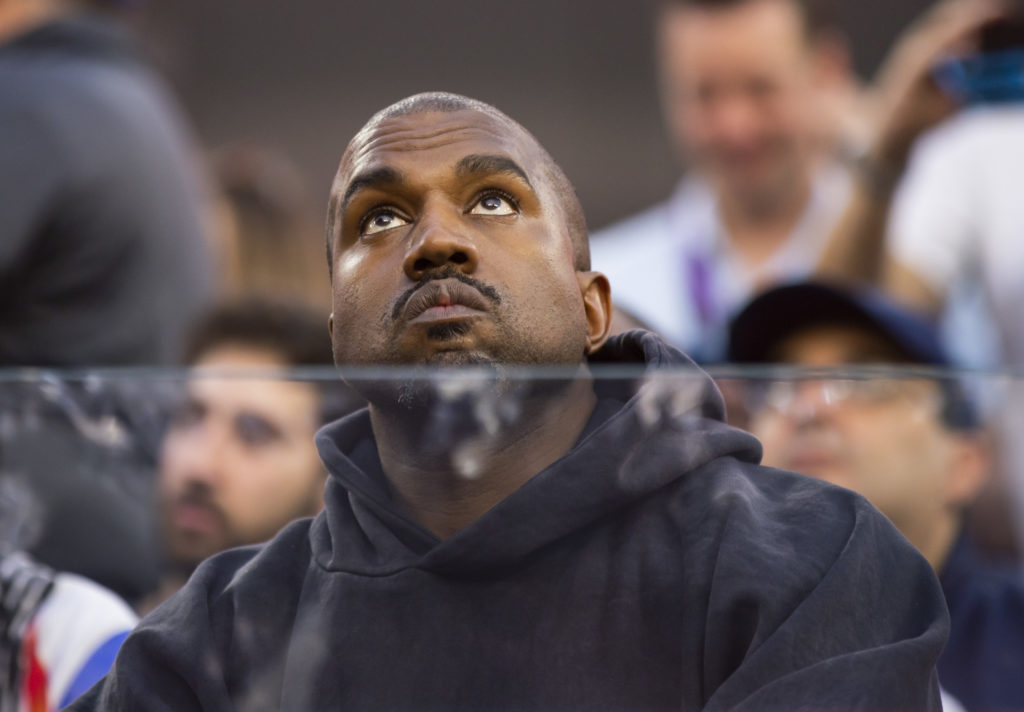
Pressure grows to remove Ye, formerly known as Kanye West, as the headliner of London summer music festival
📖 Full Retelling
📚 Related People & Topics

Kanye West
American rapper and producer (born 1977)
Ye ( YAY; born Kanye Omari West KAHN-yay, June 8, 1977) is an American rapper, songwriter, and record producer. He has been listed among the greatest rappers of all time and referred to as one of the most prominent figures in hip-hop. His music is characterized by frequent stylistic shifts and has ...
Entity Intersection Graph
Connections for Ye:
View full profileMentioned Entities
Deep Analysis
Why It Matters
This news matters because it highlights the ongoing tension between artistic freedom and accountability for public figures' controversial statements. It affects festival organizers who must balance commercial interests with ethical considerations, fans who purchased tickets expecting specific performances, and the broader music industry grappling with how to handle artists with problematic public behavior. The decision could set a precedent for how festivals respond to pressure campaigns against controversial performers.
Context & Background
- Ye (Kanye West) has faced widespread criticism since October 2022 for making antisemitic comments that led to severed business relationships with Adidas, Gap, and Balenciaga
- The artist has a history of controversial public statements dating back to 2005, including comments about slavery, George Bush, and Taylor Swift
- Music festivals globally have increasingly faced pressure to drop controversial performers, with examples including Coachella removing Doja Cat from lineup in 2021 and festivals canceling R. Kelly and XXXTentacion bookings
- London's summer music festival scene is highly competitive, with headliner decisions significantly impacting ticket sales and brand reputation
What Happens Next
Festival organizers will likely conduct internal reviews this week, with a decision expected within 14 days. If Ye is removed, organizers will scramble to secure a replacement headliner, potentially affecting ticket sales. The controversy may spark broader industry discussions about implementing 'morality clauses' in performance contracts. Legal teams will review contractual obligations regarding cancellation fees and liability.
Frequently Asked Questions
Calls for removal stem from Ye's recent antisemitic comments and pattern of controversial statements that many consider harmful. Advocacy groups and community organizations argue that providing a prominent platform to someone with such views normalizes hate speech and creates unsafe environments for marginalized communities.
If Ye is removed, the festival may face refund requests from fans who specifically bought tickets for his performance. Organizers typically try to secure an equally popular replacement to minimize financial impact, but last-minute changes often result in some ticket holder dissatisfaction and potential revenue loss.
Yes, numerous festivals have faced pressure to drop controversial artists. Recent examples include Coachella's lineup changes and festivals canceling bookings of artists facing serious allegations. Each case involves balancing artistic expression, commercial interests, and public pressure.
Performance contracts typically include clauses about payment, cancellation terms, and sometimes 'morality clauses' that allow termination for damaging behavior. Without explicit morality clauses, organizers might face breach of contract claims if they cancel without cause, potentially owing substantial cancellation fees.
This controversy could make other festivals hesitant to book Ye, especially in markets with strong advocacy groups. However, some festivals in different regions might still book him, creating a geographic divide in his performance opportunities based on local sensitivities and commercial calculations.