
Public Law 119 - 81 - An act to authorize the President to award the Medal of Honor to John W. Ripley for acts of valor during the Vietnam War, and for other purposes.
📖 Full Retelling
📚 Related People & Topics
Public law
Law governing government actions
Public law is the part of law that governs relations and affairs between legal persons and a government, between different institutions within a state, between different branches of governments, as well as relationships between persons that are of direct concern to society. Public law comprises co...
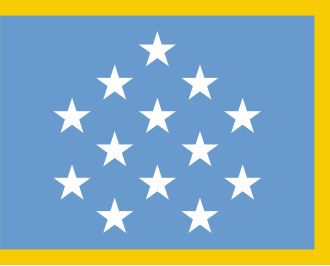
Medal of Honor
Highest award in the United States Armed Forces
The Medal of Honor (MOH) is the highest military decoration of the United States Armed Forces and is awarded to recognize American soldiers, sailors, marines, airmen, guardians, and coast guardsmen who have distinguished themselves by acts of valor. The medal is normally awarded by the president of ...

Vietnam War
War in Southeast Asia from 1955 to 1975
The Vietnam War (1 November 1955 – 30 April 1975) was an armed conflict in Vietnam, Laos, and Cambodia fought between North Vietnam (Democratic Republic of Vietnam) and South Vietnam (Republic of Vietnam) and their allies. North Vietnam was supported by the Soviet Union and China, while South Vietna...
Entity Intersection Graph
Connections for Public law:
View full profileMentioned Entities
Deep Analysis
Why It Matters
This legislation matters because it posthumously recognizes extraordinary heroism that occurred over 50 years ago, demonstrating that valor can be honored regardless of time elapsed. It affects the Ripley family, Marine Corps veterans, and Vietnam War historians by officially documenting one of the war's most legendary acts of courage. The law also sets a precedent for reconsidering historical military actions that may have been overlooked, potentially opening doors for other delayed recognitions. This recognition reinforces the Marine Corps' legacy and provides closure for those who witnessed Ripley's actions at the Dong Ha Bridge.
Context & Background
- John W. Ripley was a Marine Corps officer whose actions on Easter Sunday 1972 at the Dong Ha Bridge in Vietnam are legendary in military history.
- Ripley manually destroyed the bridge under heavy enemy fire, delaying a North Vietnamese armored division's advance and saving thousands of South Vietnamese and American lives.
- Despite his heroic actions, Ripley never received the Medal of Honor during his lifetime, having been awarded the Navy Cross instead for the same actions.
- The Vietnam War lasted from 1955 to 1975, with the 1972 Easter Offensive being one of the largest conventional attacks by North Vietnamese forces.
- Congressional authorization is required for Medal of Honor awards more than five years after the act of valor, necessitating this specific legislation.
What Happens Next
President Biden will likely hold a formal Medal of Honor ceremony at the White House within the next 2-3 months, presenting the award to Ripley's surviving family members. The Marine Corps will incorporate this recognition into official histories and may rename facilities or create memorials honoring Ripley. Military historians will revisit the 1972 Easter Offensive with renewed focus on Ripley's actions, potentially leading to new documentaries or publications about the Dong Ha Bridge incident.
Frequently Asked Questions
Military award recommendations sometimes face bureaucratic delays or reconsideration processes. In Ripley's case, his original Navy Cross award was re-examined through historical review processes that identified his actions as meeting the higher Medal of Honor criteria, requiring Congressional authorization due to the time elapsed.
Under intense enemy fire, Captain Ripley climbed beneath the Dong Ha Bridge with explosives, manually placing and detonating charges to destroy the structure. This action single-handedly stopped a North Vietnamese armored division's advance, buying critical time for allied forces to regroup and defend positions.
With this award, there will be approximately 260 Medals of Honor awarded for Vietnam War service. Most were awarded during or shortly after the war, with a small number like Ripley's being approved through later review processes.
Yes, through similar Congressional authorization processes. The Department of Defense periodically reviews historical cases, and Congress can pass legislation waiving the time limit for specific individuals whose valor merits reconsideration.
This standard legislative phrasing indicates the law may contain additional provisions beyond the main purpose. These could include administrative details, funding authorizations, or related directives about the award process or recognition ceremonies.