

Republicans back Iran war even as voters feel ‘Biden-level’ petrol price pain
📚 Related People & Topics
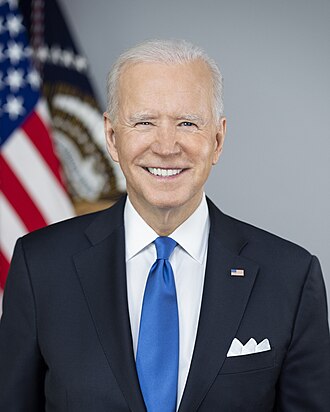
Joe Biden
President of the United States from 2021 to 2025
Joseph Robinette Biden Jr. (born November 20, 1942) is an American politician who was the 46th president of the United States from 2021 to 2025. A member of the Democratic Party, he represented Delaware in the United States Senate from 1973 to 2009 and also served as the 47th vice president under Pr...
List of wars involving Iran
This is a list of wars involving the Islamic Republic of Iran and its predecessor states. It is an unfinished historical overview.
Entity Intersection Graph
Connections for Republican:
Mentioned Entities
Deep Analysis
Why It Matters
This news highlights the political tension between Republican leadership's foreign policy stance and the economic concerns of their constituents. It matters because it reveals a potential disconnect between political rhetoric about international conflicts and the immediate financial pressures facing American voters. The situation affects both Republican voters experiencing economic strain and policymakers who must balance geopolitical strategy with domestic priorities. This dynamic could influence upcoming elections if voters perceive their representatives as prioritizing foreign military action over addressing inflation and fuel costs.
Context & Background
- U.S.-Iran relations have been strained since the 1979 Iranian Revolution and subsequent hostage crisis, with tensions escalating particularly after the U.S. withdrawal from the Iran nuclear deal in 2018.
- Gasoline prices in the U.S. reached record highs during the Biden administration, peaking above $5 per gallon nationally in June 2022, creating ongoing political pressure around energy costs.
- The Republican Party has historically taken more hawkish positions on Iran, with many prominent figures advocating for stronger sanctions and military options to counter Iran's nuclear program and regional influence.
- Previous U.S. military engagements in the Middle East, particularly the Iraq War initiated in 2003, have created lasting public skepticism about foreign interventions among American voters across party lines.
What Happens Next
Congressional debates will likely intensify over Iran policy and energy prices as the 2024 election approaches. The Biden administration may face pressure to address gasoline prices through strategic petroleum reserve releases or diplomatic efforts to increase global oil supply. Republican candidates will need to navigate between their traditional hawkish foreign policy positions and voter concerns about economic issues, potentially leading to modified messaging or policy proposals.
Frequently Asked Questions
Many Republicans view Iran as a destabilizing force in the Middle East and believe military options may be necessary to prevent nuclear proliferation and counter Iranian influence. They argue that a strong stance deters Iranian aggression against U.S. allies like Israel and protects American interests in the region.
Conflict with Iran could disrupt oil supplies from the Persian Gulf, potentially causing global oil price spikes that would increase U.S. gasoline costs. Additionally, sanctions on Iranian oil exports already affect global supply, and military escalation could exacerbate these market pressures.
This refers to the record-high gasoline prices that occurred during President Biden's term, which Republicans frequently criticized as a failure of Democratic energy policies. The phrase suggests voters are experiencing similar economic pressure now, regardless of which party controls the White House.
Voters may punish politicians who prioritize foreign military action over domestic economic concerns, particularly if they're experiencing financial strain from high fuel costs. This could lead to more moderate foreign policy positions or increased focus on energy independence in campaign messaging.
Diplomatic options include reviving nuclear negotiations, increasing multilateral sanctions, or building regional alliances to contain Iranian influence. Economic approaches could involve targeting Iran's financial systems or offering incentives for behavioral change, while cyber operations represent another non-military tool.