

Roche breast cancer drug combo misses main goal in late-stage trial
#Roche #breast cancer #drug combination #Phase III trial #primary endpoint #clinical failure #oncology
📌 Key Takeaways
- Roche's breast cancer drug combination failed to meet its primary endpoint in a Phase III trial.
- The trial evaluated the combination's efficacy in a specific breast cancer patient population.
- This outcome may impact Roche's regulatory submissions and market strategy for the drug.
- The results highlight ongoing challenges in developing effective combination therapies for breast cancer.
🏷️ Themes
Clinical Trial, Oncology
📚 Related People & Topics
Phases of clinical research
Clinical trial stages using human subjects
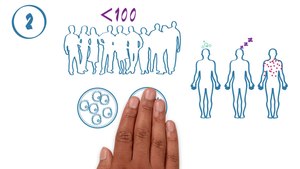
The phases of clinical research are the stages in which scientists conduct experiments with a health intervention to obtain sufficient evidence for a process considered effective as a medical treatment. For drug development, the clinical phases start with testing for drug safety in a few human subje...

Roche
Swiss multinational healthcare company
F. Hoffmann-La Roche AG, commonly known as Roche (), is a Swiss multinational holding healthcare company that operates worldwide under two divisions: Pharmaceuticals and Diagnostics. Its holding company, Roche Holding AG, has shares listed on the SIX Swiss Exchange. The company headquarters are loca...
Entity Intersection Graph
Connections for Phases of clinical research:
Mentioned Entities
Deep Analysis
Why It Matters
This news is significant because Roche's failure to meet the primary endpoint in a late-stage trial represents a major setback for both the company and breast cancer patients. It affects Roche's financial outlook and pipeline development, potentially impacting shareholder value and future research investments. For patients, particularly those with the specific breast cancer subtype targeted by this combination therapy, it means one fewer potential treatment option and may delay access to new therapies. The outcome also influences the competitive landscape in oncology drug development, potentially benefiting rival pharmaceutical companies with competing treatments.
Context & Background
- Roche is one of the world's largest pharmaceutical companies and a leader in oncology, with blockbuster breast cancer drugs like Herceptin and Perjeta generating billions in annual revenue
- Late-stage (Phase III) clinical trials are the final step before seeking regulatory approval, typically involving hundreds or thousands of patients and costing hundreds of millions of dollars
- The breast cancer drug market is highly competitive, with multiple companies developing targeted therapies for specific molecular subtypes of breast cancer
- Roche has been working to develop new combination therapies to address treatment resistance and improve outcomes for patients who don't respond to existing treatments
- Previous successful breast cancer drug combinations from Roche and other companies have significantly improved survival rates for certain patient populations over the past decade
What Happens Next
Roche will likely conduct detailed analysis of the trial data to understand why the combination failed and determine if any patient subgroups showed benefit. The company may explore alternative development paths for the drugs involved, potentially in different combinations or for different cancer types. Regulatory submissions for this specific indication will be delayed or abandoned, and Roche will need to reassess its breast cancer pipeline strategy. Investors and analysts will monitor Roche's upcoming quarterly earnings calls for updates on how this setback affects the company's overall oncology portfolio and financial guidance.
Frequently Asked Questions
It means the drug combination failed to demonstrate statistically significant improvement over the control treatment for the primary endpoint, which is the most important measure of effectiveness predetermined by researchers. This typically involves metrics like progression-free survival, overall survival, or tumor response rates. Failing the primary endpoint makes regulatory approval extremely unlikely for that specific indication.
This failure is unlikely to directly affect Roche's approved breast cancer drugs like Herceptin and Perjeta, which have established safety and efficacy profiles. However, it may impact Roche's strategy for developing next-generation treatments and combination therapies. The company may need to accelerate other pipeline projects or consider partnerships to maintain its leadership position in breast cancer therapeutics.
Patients currently receiving the drug combination will typically continue treatment if they're benefiting and not experiencing significant side effects, though the trial protocol may be amended. All participants will continue to be monitored for safety data collection. Patients and their doctors will receive updated information about the trial results to make informed decisions about continuing or changing treatment approaches.
Yes, the individual drugs in the combination could potentially be developed for other cancer types or in different combinations. Sometimes drugs that fail in one trial succeed in another setting with different patient populations or treatment protocols. Roche will analyze subgroup data to identify any populations that might have benefited, which could guide future research directions.
Late-stage trial failures are relatively common in oncology drug development, with approximately 50-60% of Phase III cancer trials failing to meet their primary endpoints. The high failure rate reflects the complexity of cancer biology and challenges in predicting which treatments will work in large patient populations. Despite this setback, Roche has historically had one of the better success rates in oncology drug development.