
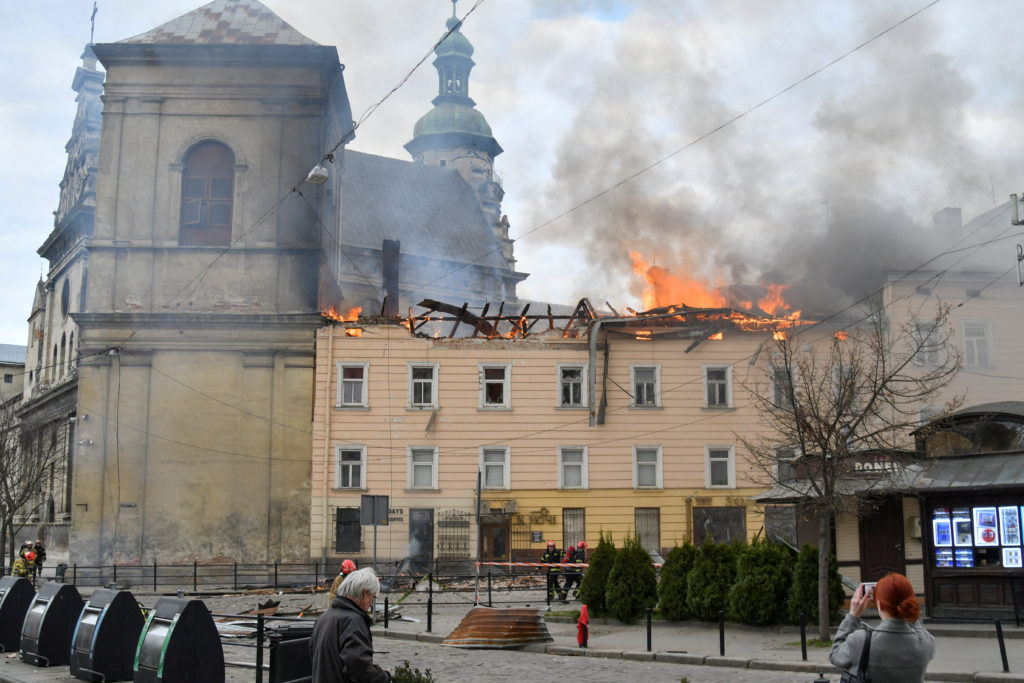
Russia fires 400 drones at Ukraine, signaling its spring offensive has started
#Russia #Ukraine #drones #spring offensive #military attack #escalation #aerial warfare
📌 Key Takeaways
- Russia launched 400 drones in a major attack on Ukraine
- The attack signals the start of Russia's spring offensive
- The scale suggests a strategic escalation in the conflict
- Ukraine faces increased aerial threats as the offensive begins
📖 Full Retelling
🏷️ Themes
Military Conflict, Drone Warfare
📚 Related People & Topics

Russia
Country in Eastern Europe and North Asia
Russia, or the Russian Federation, is a country in Eastern Europe and North Asia. It is the largest country in the world, spanning eleven time zones and sharing land borders with fourteen countries. With a population of over 140 million, Russia is the most populous country in Europe and the ninth-mo...

Ukraine
Country in Eastern Europe
# Ukraine **Ukraine** is a country located in Eastern Europe. It is the second-largest country in Europe by area, after Russia. Known for its extensive fertile plains, the nation serves as a critical global exporter of grain and is considered a middle power in international affairs. ## Geography a...
Entity Intersection Graph
Connections for Russia:
Mentioned Entities
Deep Analysis
Why It Matters
This massive drone attack represents a significant escalation in Russia's war against Ukraine, potentially marking the beginning of a coordinated spring offensive that could determine the course of the conflict in coming months. The scale of the attack demonstrates Russia's continued ability to sustain prolonged assaults despite international sanctions and military losses. This development directly affects Ukrainian civilians and military personnel facing increased bombardment, European nations concerned about regional stability, and global energy and food markets that remain vulnerable to disruptions from the conflict. The timing suggests Russia aims to exploit seasonal conditions before Ukraine can fully deploy anticipated Western military aid.
Context & Background
- Russia's full-scale invasion of Ukraine began in February 2022, with drone warfare becoming increasingly prominent as the conflict progressed
- Previous Russian offensives have followed seasonal patterns, with increased activity during spring when ground conditions improve for military movements
- Ukraine has developed increasingly effective air defense systems with Western support, but overwhelming numbers of drones present significant challenges
- The use of Iranian-made Shahed drones has become a hallmark of Russian attacks on Ukrainian infrastructure since late 2022
- Spring 2023 saw Russia's failed offensive on Bakhmut, while Ukraine's counteroffensive in summer 2023 achieved limited territorial gains
What Happens Next
Ukraine will likely face intensified attacks on energy infrastructure and frontline positions throughout April and May as Russia attempts to gain momentum before potential Ukrainian counteroffensives. NATO countries will accelerate delivery of promised air defense systems and ammunition, with decisions on additional support packages expected within weeks. The success or failure of this offensive will influence summer battlefield dynamics and potential diplomatic initiatives, with the next major development likely being Russia's attempts to capture key cities like Chasiv Yar or intensify pressure on Kharkiv.
Frequently Asked Questions
Mass drone attacks allow Russia to overwhelm Ukrainian air defenses through sheer numbers while being more cost-effective than missiles. Drones also enable persistent surveillance and precision strikes on critical infrastructure, creating psychological pressure on civilian populations.
Ukraine has improved its drone interception rates significantly, often shooting down 80-90% of incoming drones, but the remaining 10-20% can still cause substantial damage. The challenge lies in the economic cost of defense versus the relatively low production cost of drones, creating an attrition problem for Ukraine.
This escalation will likely accelerate delivery of promised air defense systems and ammunition from NATO countries. It may also increase pressure on the U.S. Congress to approve additional funding packages that have been delayed by political debates.
Not in the immediate term—both sides view military momentum as crucial for negotiating position. Russia likely hopes successful offensive operations will force Ukraine to accept less favorable terms, while Ukraine seeks to demonstrate resilience to maintain Western support.
Attacks on Ukrainian infrastructure could disrupt agricultural exports and energy facilities, potentially increasing global food prices and affecting European energy security. Russia may use energy as leverage while targeting Ukraine's export capabilities.