
SP
BravenNow
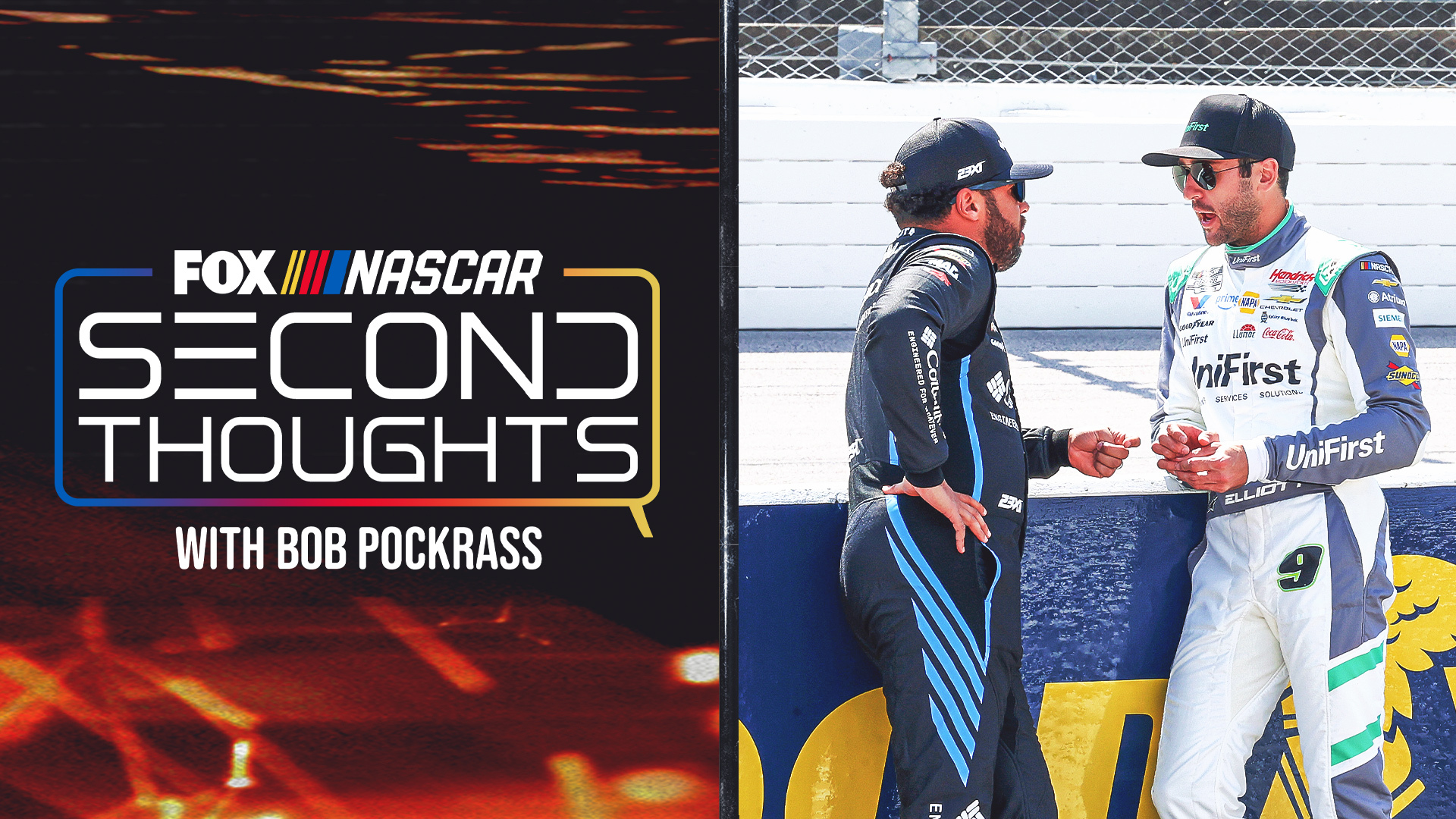
Second Thoughts: Chase Format Puts Spotlight On Chase Elliott, Bubba Wallace Decisions
| USA | sports | ✓ Verified - foxsports.com

Second Thoughts: Chase Format Puts Spotlight On Chase Elliott, Bubba Wallace Decisions

#Chase Elliott #Bubba Wallace #NASCAR Chase system #points standings #race strategy #playoff qualification #driver decisions

📌 Key Takeaways

  • Chase Elliott's team made a bold two-pit strategy, risking laps but securing a win and significant points.
  • Bubba Wallace's frustration led to a crash with Carson Hocevar, costing him points and affecting standings.
  • The new NASCAR Chase system emphasizes points over wins, discouraging risky moves for automatic playoff berths.
  • Point swings from strategic decisions can drastically alter driver standings, impacting Chase qualification and championship chances.

📖 Full Retelling

When NASCAR introduced the new Chase system and got rid of the win-and-in element to its postseason, there was the thought that drivers might not make bold moves or crew chiefs might not take chances because of the new points system. And in some ways, fans can argue that has happened. Crazy moves for the win where the leaders crash? Haven't seen it. But at least for one Cup race, that wasn’t the case. Chase Elliott’s team made a relatively bold decision to pit twice instead of once in the final stage, putting it in position to be a couple of laps down if the caution came out at the wrong time. Bubba Wallace appeared to let the frustration get to him as he turned Carson Hocevar (Wallace said in his television interview he misjudged it) and ended up wrecking himself out of the race. Both moves resulted in huge point swings. Elliott ended up with the win and a boatload of points. If he had lost a couple of laps, he possibly would have finished with around 15 points instead of 55. Wallace was the big loser, finishing with one point while Hocevar finished with 20. Just how much of a difference does that make? A difference of 40 points would have dropped Elliott from fourth to eighth in the standings. A difference of 19 points would have put Wallace from tied for eighth to sixth in the standings. Drivers and teams need to weigh these possibilities more in the new points system, where regular-season standing could make or break whether a driver qualifies for the Chase and how much of a shot that driver has at a championship. In the past, risking it on fuel mileage to get the win (and the automatic playoff berth or the playoff points) made sense, even if it cost 20-30 regular-season points. In the past, going off the strategy could win a race but if things don't go the needed way, it could cost 10-20 points. In this system, teams and drivers need to make methodical and deliberate decisions. There is only one problem with that: They are competitors in race cars. That isn’t a

🏷️ Themes

NASCAR Strategy, Points System Impact

📚 Related People & Topics

Bubba Wallace

Bubba Wallace

American racing driver (born 1993)

William Darrell "Bubba" Wallace Jr. (born October 8, 1993) is an American professional stock car racing driver. He competes full-time in the NASCAR Cup Series, driving the No.

View Profile → Wikipedia ↗
Chase Elliott

Chase Elliott

American racing driver (born 1995)

William Clyde "Chase" Elliott II (born November 28, 1995) is an American professional stock car racing driver. He competes full-time in the NASCAR Cup Series, driving the No. 9 Chevrolet Camaro ZL1 for Hendrick Motorsports, and part-time in the NASCAR O'Reilly Auto Parts Series, driving the No.

View Profile → Wikipedia ↗

Second Thoughts

Topics referred to by the same term

Second Thought(s) may refer to:

View Profile → Wikipedia ↗

Entity Intersection Graph

Connections for Bubba Wallace:

👤 Michael Jordan 1 shared
🏢 NASCAR 1 shared
👤 Tyler Reddick 1 shared
View full profile

Mentioned Entities

Bubba Wallace

Bubba Wallace

American racing driver (born 1993)

Chase Elliott

Chase Elliott

American racing driver (born 1995)

Second Thoughts

Topics referred to by the same term

Deep Analysis

Why It Matters

This news matters because it highlights how NASCAR's revised Chase format is fundamentally altering race strategy and driver behavior, impacting championship outcomes. It affects drivers, teams, and fans by shifting focus from aggressive, win-at-all-costs moves to more calculated, points-conscious decisions, potentially reducing on-track drama. The analysis underscores the tension between competitive instincts and strategic restraint, which could influence viewership and the sport's entertainment value. Key stakeholders like Chase Elliott and Bubba Wallace face heightened pressure to balance risk and reward in their playoff pursuits.

Context & Background

  • NASCAR's Chase for the Cup playoff system was introduced in 2004 to add excitement and mimic playoffs in other sports, with various format changes over the years.
  • Previously, the 'win-and-in' rule allowed drivers to secure a playoff berth with a single victory, encouraging aggressive moves for wins regardless of points consequences.
  • The current points system emphasizes consistency and regular-season performance, with playoff qualification and seeding heavily dependent on accumulated points rather than just wins.
  • Recent seasons have seen debates about whether the format stifles on-track action, as drivers may prioritize points over dramatic, risky passes for victories.
  • Incidents like the one involving Bubba Wallace and Carson Hocevar illustrate how driver frustration and split-second decisions can have amplified impacts under the new system.

What Happens Next

Expect ongoing scrutiny of the Chase format as the season progresses, with drivers and teams refining strategies to optimize points accumulation. Upcoming races will likely see more methodical approaches, but high-stakes events may still spark aggressive moves as playoff cutoff nears. NASCAR may review feedback and consider adjustments to the format in future seasons if fan or competitor dissatisfaction grows.

Frequently Asked Questions

What is the key change in NASCAR's Chase format mentioned in the article?

The key change is the removal of the 'win-and-in' element, which previously granted automatic playoff berths for race wins. Now, drivers must rely more on consistent points accumulation throughout the regular season to qualify and secure better seeding.

How did Chase Elliott's strategy differ from traditional approaches?

Elliott's team made a bold decision to pit twice instead of once in the final stage, risking being laps down if a caution came out. This paid off with a win and 55 points, contrasting with past strategies that might have prioritized fuel mileage gambles for wins.

Why is Bubba Wallace's incident significant in this context?

Wallace's frustration-led wreck with Carson Hocevar resulted in a massive points swing, costing him 19 points and dropping him in the standings. It exemplifies how driver emotions and split-second decisions now have greater consequences under the points-focused system.

How does the new format affect fan experience?

The format may reduce dramatic, crash-inducing moves for wins, potentially making races less unpredictable. However, it adds strategic depth as teams weigh points risks, which could appeal to fans interested in tactical nuances over pure aggression.

What are the implications for drivers' championship chances?

Drivers must balance aggression with consistency, as regular-season points determine playoff qualification and seeding. A single bad race or strategic misstep, like Wallace's, can significantly hinder championship prospects compared to the old win-and-in system.

}
Original Source
When NASCAR introduced the new Chase system and got rid of the win-and-in element to its postseason, there was the thought that drivers might not make bold moves or crew chiefs might not take chances because of the new points system. And in some ways, fans can argue that has happened. Crazy moves for the win where the leaders crash? Haven't seen it. But at least for one Cup race, that wasn’t the case. Chase Elliott’s team made a relatively bold decision to pit twice instead of once in the final stage, putting it in position to be a couple of laps down if the caution came out at the wrong time. Bubba Wallace appeared to let the frustration get to him as he turned Carson Hocevar (Wallace said in his television interview he misjudged it) and ended up wrecking himself out of the race. Both moves resulted in huge point swings. Elliott ended up with the win and a boatload of points. If he had lost a couple of laps, he possibly would have finished with around 15 points instead of 55. Wallace was the big loser, finishing with one point while Hocevar finished with 20. Just how much of a difference does that make? A difference of 40 points would have dropped Elliott from fourth to eighth in the standings. A difference of 19 points would have put Wallace from tied for eighth to sixth in the standings. Drivers and teams need to weigh these possibilities more in the new points system, where regular-season standing could make or break whether a driver qualifies for the Chase and how much of a shot that driver has at a championship. In the past, risking it on fuel mileage to get the win (and the automatic playoff berth or the playoff points) made sense, even if it cost 20-30 regular-season points. In the past, going off the strategy could win a race but if things don't go the needed way, it could cost 10-20 points. In this system, teams and drivers need to make methodical and deliberate decisions. There is only one problem with that: They are competitors in race cars. That isn’t a
Read full article at source

Source

foxsports.com

More from USA

News from Other Countries

🇬🇧 United Kingdom

🇺🇦 Ukraine