
Stocks whipsaw in choppy trade after Netanyahu says Iran can’t enrich uranium
#stocks #whipsaw #Netanyahu #Iran #uranium enrichment #choppy trade #market volatility
📌 Key Takeaways
- Israeli Prime Minister Netanyahu's statement on Iran's uranium enrichment triggered market volatility.
- Stock markets experienced sharp, unpredictable swings during the trading session.
- The geopolitical tension directly impacted investor sentiment and trading patterns.
- The news highlights the sensitivity of financial markets to Middle East developments.
🏷️ Themes
Geopolitics, Market Volatility
📚 Related People & Topics

Iran
Country in West Asia
# Iran **Iran**, officially the **Islamic Republic of Iran** and historically known as **Persia**, is a sovereign country situated in West Asia. It is a major regional power, ranking as the 17th-largest country in the world by both land area and population. Combining a rich historical legacy with a...
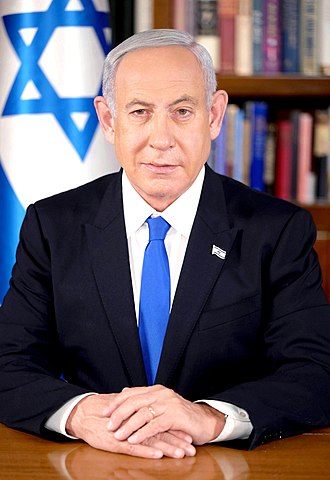
Benjamin Netanyahu
Prime Minister of Israel (1996–1999; 2009–2021; since 2022)
Benjamin "Bibi" Netanyahu (born 21 October 1949) is an Israeli politician and diplomat who has served as Prime Minister of Israel since 2022. Having previously held office from 1996 to 1999 and from 2009 to 2021, Netanyahu is Israel's longest-serving prime minister. Born in Tel Aviv, Netanyahu was r...
Entity Intersection Graph
Connections for Iran:
Mentioned Entities
Deep Analysis
Why It Matters
This news matters because geopolitical tensions in the Middle East directly impact global financial markets, particularly oil prices and investor risk appetite. Israeli Prime Minister Netanyahu's statement about Iran's uranium enrichment escalates regional security concerns, affecting energy markets and international diplomacy. The market volatility reflects investor uncertainty about potential military conflict or sanctions that could disrupt oil supplies and global trade. This affects not only stock investors but also energy consumers, foreign policy makers, and countries dependent on Middle Eastern stability.
Context & Background
- Iran has been developing nuclear capabilities for decades despite international sanctions and agreements like the 2015 JCPOA (Joint Comprehensive Plan of Action)
- Israel has consistently opposed Iran's nuclear program, viewing it as an existential threat to its security
- Previous tensions between Israel and Iran have included covert operations, cyber attacks, and proxy conflicts in Syria and Lebanon
- Global oil prices are particularly sensitive to Middle Eastern instability as the region produces about 30% of the world's petroleum
- The U.S. and European powers have attempted diplomatic solutions while maintaining various sanctions regimes against Iran
What Happens Next
Markets will likely remain volatile as investors monitor diplomatic responses from Iran, the U.S., and European powers. The UN nuclear watchdog (IAEA) may issue reports on Iran's enrichment activities in coming weeks. Key dates to watch include upcoming OPEC+ meetings where oil production decisions could be influenced by geopolitical risks, and potential emergency sessions of the UN Security Council if tensions escalate further.
Frequently Asked Questions
Markets react because Iran's nuclear activities could trigger military responses, sanctions, or supply disruptions that affect global oil prices and trade routes. Energy sector stocks are particularly sensitive, and broader market sentiment shifts based on perceived geopolitical risks to economic stability.
This describes rapid, unpredictable price swings in both directions within a single trading session. It indicates high volatility and uncertainty as traders react to conflicting information or struggle to assess the implications of geopolitical developments.
Consumers could see higher gasoline and energy prices if oil markets tighten due to Middle Eastern tensions. Additionally, prolonged market volatility might affect retirement accounts and investment portfolios, while broader economic uncertainty could impact job markets and consumer confidence.
Israel cites UN Security Council resolutions that have demanded Iran suspend enrichment, along with its right to self-defense under Article 51 of the UN Charter. Israel argues Iran's nuclear program violates the Nuclear Non-Proliferation Treaty, though Iran maintains its program is for peaceful purposes.
Previous strong statements about Iran have typically caused brief spikes in oil prices and safe-haven asset buying, though effects often moderate unless accompanied by concrete military or diplomatic actions. The market impact depends on whether other global powers echo or contradict the statements.