
SP
BravenNow
Strait of Hormuz traffic slow despite ceasefire and design flaw raises re-entry risk for Artemis II: Morning Rundown
| USA | general | โœ“ Verified - nbcnews.com

Strait of Hormuz traffic slow despite ceasefire and design flaw raises re-entry risk for Artemis II: Morning Rundown

#Strait of Hormuz #ceasefire #maritime traffic #Artemis II #NASA #heat shield #Orion spacecraft #re-entry risk

๐Ÿ“Œ Key Takeaways

  • Maritime traffic through the Strait of Hormuz remains very low despite a recent ceasefire announcement.
  • Shipping companies' caution indicates ongoing concerns about the stability of the ceasefire and security risks.
  • NASA has identified a heat shield design flaw on the Orion spacecraft from the Artemis I mission data.
  • The flaw, involving material erosion during re-entry, poses a potential risk that must be addressed before the crewed Artemis II flight.

๐Ÿ“– Full Retelling

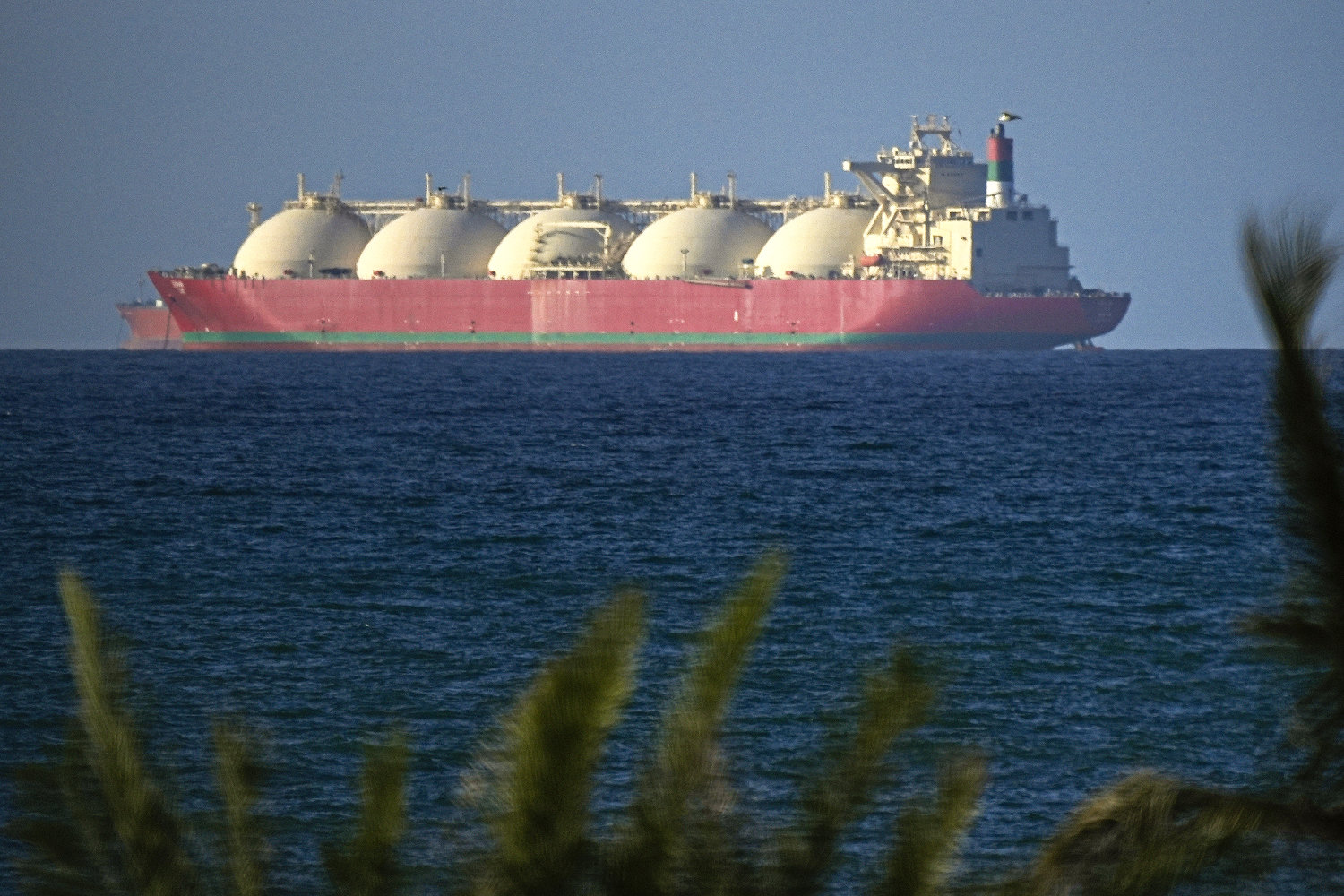
Maritime traffic through the critical Strait of Hormuz has remained exceptionally low in the days following the announcement of a ceasefire deal between regional powers, with only a handful of vessels transiting the waterway. The strait, a narrow chokepoint between the Persian Gulf and the Gulf of Oman, is one of the world's most important oil shipping lanes, typically seeing dozens of tankers daily. The continued reluctance of shipping companies to resume normal operations suggests deep-seated concerns about the durability of the ceasefire and the potential for renewed hostilities that could threaten vessels. Separately, NASA engineers have identified a design flaw in the heat shield of the Orion spacecraft, which is scheduled to carry the Artemis II crew on a lunar flyby mission. The issue, which involves unexpected erosion of the ablative material during re-entry, was discovered during post-flight analysis of the uncrewed Artemis I mission. While officials emphasize that astronaut safety remains the paramount concern, the discovery has raised questions about the timeline for the first crewed Artemis mission and whether additional testing or modifications will be required. The two stories highlight contrasting challenges in international security and advanced exploration. In the Middle East, the slow return to normalcy in the Strait of Hormuz underscores how geopolitical tensions can have immediate and tangible impacts on global energy supplies and trade, even after diplomatic breakthroughs. Meanwhile, the technical hurdle for Artemis II illustrates the meticulous, risk-averse nature of human spaceflight, where uncovering and resolving such flaws is a fundamental part of the engineering process, albeit one that can delay ambitious schedules.

๐Ÿท๏ธ Themes

Geopolitical Risk, Space Exploration, Supply Chain Security

๐Ÿ“š Related People & Topics

NASA

NASA

American space and aeronautics agency

The National Aeronautics and Space Administration (NASA ) is an independent agency of the U.S. federal government responsible for the United States' civil space program and for research in aeronautics and space exploration. Headquartered in Washington, D.C., NASA operates ten field centers across th...

View Profile โ†’ Wikipedia โ†—
Artemis II

Artemis II

Artemis program's second lunar flight

Artemis II is a planned lunar spaceflight mission under the Artemis program, led by NASA. It is intended to be the second flight of the Space Launch System (SLS), and the first crewed mission of the Orion spacecraft. It is the first crewed mission around the Moon, and beyond low Earth orbit, since A...

View Profile โ†’ Wikipedia โ†—
Orion (spacecraft)

Orion (spacecraft)

American crewed spacecraft for the Artemis program

Orion (Orion Multi-Purpose Crew Vehicle or Orion MPCV) is a partially reusable crewed spacecraft used in NASA's Artemis program. The spacecraft consists of a Crew Module (CM) space capsule designed by Lockheed Martin that is paired with a European Service Module (ESM) manufactured by Airbus Defence ...

View Profile โ†’ Wikipedia โ†—
Strait of Hormuz

Strait of Hormuz

Strait between the Gulf of Oman and the Persian Gulf

The Strait of Hormuz ( Persian: ุชู†ฺฏู‡ู” ู‡ูุฑู…ูุฒ Tangeh-ye Hormoz , Arabic: ู…ูŽุถูŠู‚ ู‡ูุฑู…ูุฒ Maแธฤซq Hurmuz) is a strait between the Persian Gulf and the Gulf of Oman. It provides the only sea passage from the Persian Gulf to the open ocean and is one of the world's most strategically important choke points. ...

View Profile โ†’ Wikipedia โ†—

Entity Intersection Graph

Connections for NASA:

๐ŸŒ Artemis II 21 shared
๐Ÿข Boeing 7 shared
๐ŸŒ Starliner 7 shared
๐Ÿ‘ค Kennedy Space Center 7 shared
๐Ÿ‘ค International Space Station 6 shared
View full profile

Mentioned Entities

NASA

NASA

American space and aeronautics agency

Artemis II

Artemis II

Artemis program's second lunar flight

Orion (spacecraft)

Orion (spacecraft)

American crewed spacecraft for the Artemis program

Strait of Hormuz

Strait of Hormuz

Strait between the Gulf of Oman and the Persian Gulf

}
Original Source
In todayโ€™s newsletter: Only a handful of ships have passed through the Strait of Hormuz since the ceasefire deal was announced.
Read full article at source

Source

nbcnews.com

More from USA

News from Other Countries

๐Ÿ‡ฌ๐Ÿ‡ง United Kingdom

๐Ÿ‡บ๐Ÿ‡ฆ Ukraine