
Supreme Court hearing dispute today over late-arriving mail ballots
#Supreme Court #mail ballots #Election Day #postmark #vote counting #election dispute #voting rights
📌 Key Takeaways
- The Supreme Court is hearing a case today regarding the validity of mail ballots that arrive after Election Day.
- The dispute centers on whether states can count ballots received after the election if they are postmarked by Election Day.
- The outcome could impact election procedures and vote counting timelines in future elections.
- This case reflects ongoing legal debates over voting rights and election integrity in the United States.
📖 Full Retelling
🏷️ Themes
Election Law, Voting Rights
📚 Related People & Topics
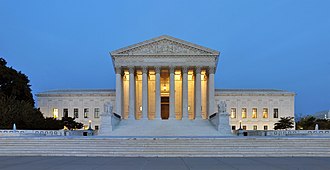
Supreme court
Highest court in a jurisdiction
In most legal jurisdictions, a supreme court, also known as a court of last resort, apex court, high (or final) court of appeal, and court of final appeal, is the highest court within the hierarchy of courts. Broadly speaking, the decisions of a supreme court are binding on all other courts in a nat...

Election day
Day when elections are held
Election Day or Polling Day is the day on which general elections are held. In many countries, general elections are always held on a Saturday or Sunday, to enable as many voters as possible to participate; while in other countries elections are always held on a weekday. However, some countries, or ...
Entity Intersection Graph
Connections for Supreme court:
Mentioned Entities
Deep Analysis
Why It Matters
This Supreme Court case is crucial because it could determine whether mail ballots received after Election Day are counted, directly impacting election outcomes and voter access. It affects millions of voters who rely on mail-in voting, particularly in states with tight deadlines or postal delays. The ruling may influence future election procedures and could have significant implications for close races, potentially disenfranchising voters if ballots are rejected. This decision also matters for election officials who must establish clear, consistent rules for ballot counting.
Context & Background
- The 2020 election saw a massive increase in mail-in voting due to the COVID-19 pandemic, leading to legal battles over ballot deadlines.
- In 2020, the Supreme Court allowed Pennsylvania to count mail ballots received up to three days after Election Day, but did not issue a definitive ruling on the broader legality.
- Similar disputes have arisen in other states, with some extending deadlines during the pandemic while others maintained strict Election Day cutoffs.
- The case involves the 'mail ballot receipt deadline,' which varies by state, with some requiring receipt by Election Day and others allowing a grace period.
- Legal arguments often center on whether late-arriving ballots violate federal election law or if states have flexibility to set their own rules.
What Happens Next
The Supreme Court will hear oral arguments today, with a ruling expected by late June or early July 2024. Depending on the outcome, states may need to adjust their election laws ahead of the 2024 general election. If the Court rules against late-arriving ballots, it could lead to increased voter education efforts on early mailing and potential legislative pushes for postal service reforms. Conversely, a ruling in favor could encourage more states to adopt extended deadlines, though it may also spur further legal challenges.
Frequently Asked Questions
The case focuses on whether mail ballots that arrive after Election Day should be counted, examining if state extensions violate federal election law or voter rights. It balances election integrity concerns against ensuring voter access, especially for those facing postal delays.
If the Court bans late-arriving ballots, voters may need to mail ballots earlier or use drop boxes to ensure timely receipt. In states with tight deadlines, it could lead to more rejected ballots, potentially disenfranchising voters in close races.
States with extended deadlines aim to accommodate postal delays and ensure votes are counted, especially for overseas or military voters. These rules often stem from pandemic-era adjustments or longstanding policies to promote voter participation.
In 2020, the Court declined to block Pennsylvania's extension but left the legal question unresolved. Earlier rulings have varied, with some favoring state flexibility and others emphasizing strict Election Day deadlines under federal law.
Yes, in close elections, late-arriving ballots could decide outcomes, as seen in past races. A ruling against counting them might shift results in tight contests, particularly in states with high mail-in voting usage.
Proponents argue it protects voters from postal delays and ensures access, while opponents claim it violates Election Day deadlines and could lead to fraud or uncertainty. The debate often centers on balancing convenience with election security.