

Supreme Court Rejects a Ban on ‘Conversion Therapy’ for Minors
📖 Full Retelling
📚 Related People & Topics

Conversion therapy
Pseudoscientific attempts to change sexual orientation or gender identity
Conversion therapy is the pseudoscientific practice of attempting to change an individual's sexual orientation, romantic orientation, gender identity, or gender expression to align with heterosexual and cisgender norms. Conversion therapy is ineffective at changing a person's sexual orientation or g...
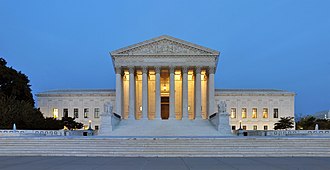
Supreme court
Highest court in a jurisdiction
In most legal jurisdictions, a supreme court, also known as a court of last resort, apex court, high (or final) court of appeal, and court of final appeal, is the highest court within the hierarchy of courts. Broadly speaking, the decisions of a supreme court are binding on all other courts in a nat...
Entity Intersection Graph
Connections for Conversion therapy:
Mentioned Entities
Deep Analysis
Why It Matters
This Supreme Court decision has significant implications for LGBTQ+ youth protection and state regulatory authority. It affects minors who may be subjected to conversion therapy, a practice widely condemned by major medical associations as harmful and ineffective. The ruling impacts state and local governments' ability to regulate professional conduct and protect vulnerable populations. This creates tension between professional regulation and First Amendment protections that will influence future legislation and legal challenges.
Context & Background
- Conversion therapy refers to practices attempting to change a person's sexual orientation or gender identity, rejected by the American Psychological Association, American Medical Association, and American Academy of Pediatrics.
- Twenty-two states and numerous municipalities had previously enacted bans on conversion therapy for minors, with the first state ban passing in California in 2012.
- The Supreme Court has previously addressed related issues in cases like Masterpiece Cakeshop v. Colorado Civil Rights Commission (2018) and 303 Creative LLC v. Elenis (2023) involving LGBTQ+ rights and free speech conflicts.
- The case originated from challenges by licensed therapists arguing that such bans violate their First Amendment rights to free speech and free exercise of religion.
- Medical consensus holds that conversion therapy increases risks of depression, anxiety, substance abuse, and suicide among LGBTQ+ youth, with particularly severe impacts on transgender individuals.
What Happens Next
State legislatures may reconsider or modify existing conversion therapy bans to address the Court's constitutional concerns while still protecting minors. Additional legal challenges are likely against remaining state and local bans, potentially reaching the Supreme Court again with different factual circumstances. Professional licensing boards may explore alternative regulatory approaches that don't implicate First Amendment concerns. Advocacy groups will likely increase public education efforts about conversion therapy's harms while pursuing legislative solutions.
Frequently Asked Questions
The Court rejected a ban on conversion therapy for minors, ruling that such restrictions likely violate the First Amendment's free speech protections. The decision focused on therapists' right to communicate with clients rather than the therapy's effectiveness or harmfulness. This creates a precedent limiting how states can regulate professional speech in therapeutic contexts.
No, existing state and local bans remain in effect unless specifically challenged and overturned in court. However, this decision makes such bans more vulnerable to legal challenges and may discourage new jurisdictions from enacting similar protections. The ruling signals that courts should view these regulations through a strict First Amendment lens.
Major medical associations oppose conversion therapy because research shows it causes significant psychological harm without evidence of effectiveness. These organizations note that being LGBTQ+ is not a mental disorder requiring treatment. They instead recommend affirming approaches that support individuals' sexual orientation and gender identity.
LGBTQ+ youth in states without bans may face increased exposure to harmful conversion practices. Mental health professionals worry this could exacerbate existing health disparities for this population. Advocacy organizations will likely expand crisis support services and work to connect youth with affirming care alternatives.
Yes, states may explore alternative regulatory approaches that survive constitutional scrutiny, such as requiring informed consent disclosures about conversion therapy's risks and lack of medical support. Some states might strengthen consumer protection laws or enhance professional licensing requirements for therapists working with minors on gender or sexuality issues.