
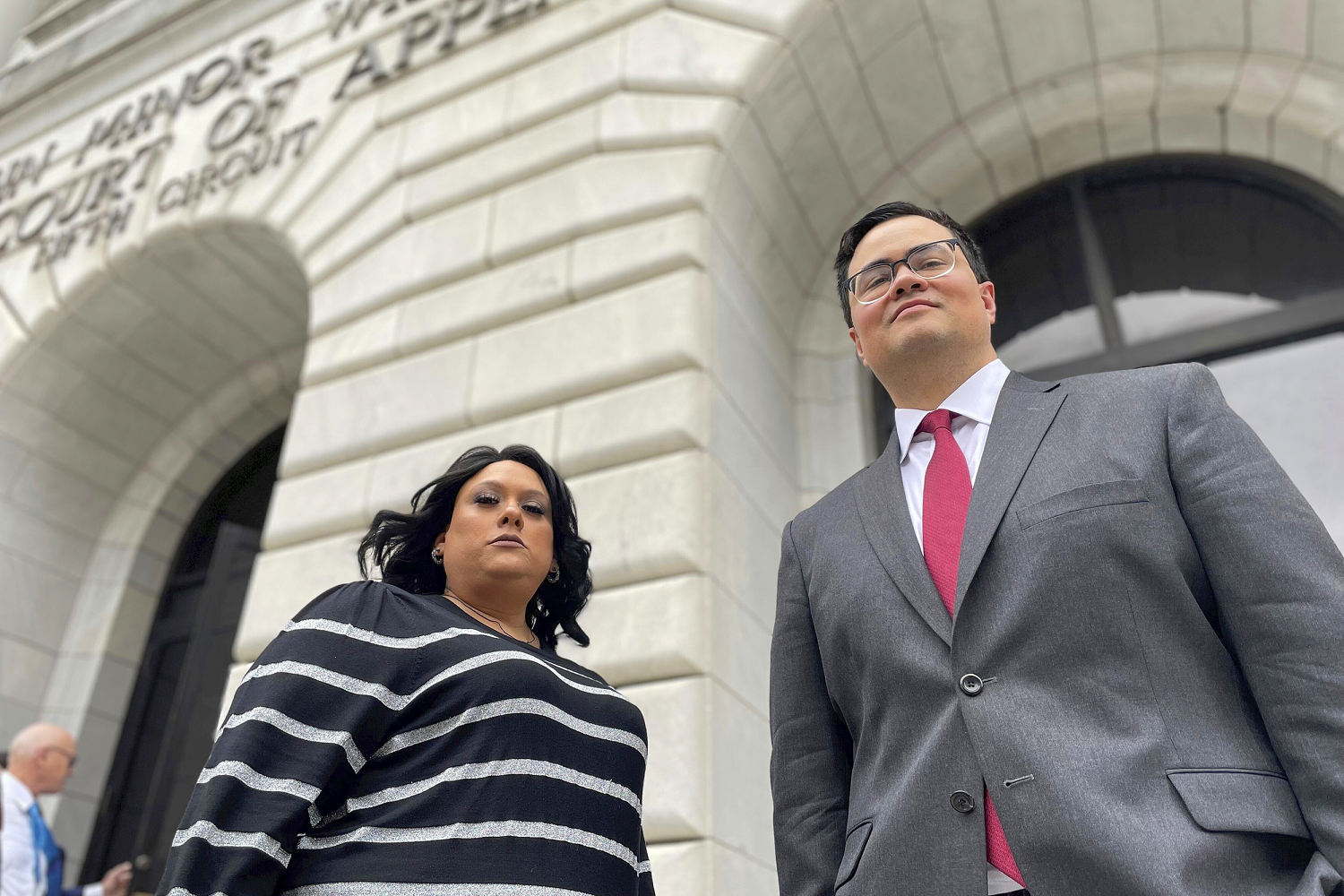
Supreme Court rejects citizen journalist's case against Texas officials who arrested her for reporting
#Supreme Court #citizen journalist #Texas #arrest #reporting #First Amendment #press freedom #legal case
📌 Key Takeaways
- The Supreme Court declined to hear a citizen journalist's case against Texas officials.
- The journalist was arrested for reporting, raising First Amendment concerns.
- The decision leaves lower court rulings in place, affecting press freedom interpretations.
- The case highlights tensions between law enforcement and citizen journalism rights.
📖 Full Retelling
🏷️ Themes
First Amendment, Press Freedom
📚 Related People & Topics
Supreme court
Highest court in a jurisdiction
In most legal jurisdictions, a supreme court, also known as a court of last resort, apex court, high (or final) court of appeal, and court of final appeal, is the highest court within the hierarchy of courts. Broadly speaking, the decisions of a supreme court are binding on all other courts in a nat...

Texas
U.S. state
# Texas **Texas** (/ˈtɛksəs/) is a state in the South Central region of the United States. It is the second-largest U.S. state by both land area and population. Known as the "Lone Star State," it possesses a diverse geography and a major maritime presence. ## Geography and Borders Texas is charact...

First Amendment to the United States Constitution
1791 amendment limiting government restriction of civil liberties
The First Amendment (Amendment I) to the United States Constitution prevents Congress from making laws respecting an establishment of religion; prohibiting the free exercise of religion; or abridging the freedom of speech, the freedom of the press, the freedom of assembly, or the right to petition t...
Entity Intersection Graph
Connections for Supreme court:
Mentioned Entities
Deep Analysis
Why It Matters
This decision is important because it affects First Amendment protections for journalists, particularly citizen journalists and independent reporters who may lack institutional backing. It sets a precedent that could embolden law enforcement to arrest journalists under ambiguous circumstances, potentially chilling investigative reporting on government activities. The ruling impacts press freedom nationwide, as it leaves journalists vulnerable to retaliatory arrests when covering protests or police actions, undermining public access to critical information.
Context & Background
- The case involves a citizen journalist arrested while filming a police incident in Texas, highlighting tensions between press freedom and law enforcement authority.
- The Supreme Court has historically protected press rights under the First Amendment, but recent rulings have shown a more limited interpretation in certain contexts.
- Citizen journalism has grown with smartphone and social media use, raising legal questions about protections for non-traditional reporters.
- Texas has faced previous controversies over arrests of journalists during protests, reflecting broader national debates over police transparency and accountability.
- The case was appealed to the Supreme Court after lower courts sided with Texas officials, emphasizing qualified immunity for government actors.
What Happens Next
Journalism advocacy groups may push for state or federal legislation to clarify protections for citizen journalists and limit arrests for reporting. The plaintiff could pursue alternative legal avenues, such as civil rights lawsuits in lower courts. Future similar cases may arise, potentially leading to renewed Supreme Court review if circuit courts issue conflicting rulings on press freedoms.
Frequently Asked Questions
A citizen journalist is an individual who reports news or events without formal affiliation with traditional media organizations, often using digital tools like smartphones and social media. They play a growing role in documenting real-time events, especially during protests or crises where mainstream media may not be present.
The Supreme Court likely rejected the case due to procedural reasons, such as lack of jurisdiction or unresolved factual disputes, or because it deferred to lower court rulings on qualified immunity for officials. It does not necessarily mean the Court endorsed the arrest, but it avoids setting a broader precedent on press freedoms.
This decision weakens press freedom by failing to reinforce protections against retaliatory arrests, potentially discouraging journalists from covering sensitive events. It may lead to increased legal risks for reporters, especially in states with aggressive law enforcement practices, reducing public oversight of government actions.
Yes, the journalist may pursue civil rights claims in federal or state courts under laws like Section 1983, alleging violations of First Amendment rights. However, qualified immunity defenses by officials could pose significant hurdles, requiring proof of clearly established constitutional violations.
Qualified immunity is a legal doctrine that shields government officials from personal liability unless they violate clearly established statutory or constitutional rights. It often protects law enforcement in cases like this, making it difficult for plaintiffs to succeed in lawsuits over arrests or other actions.