

Supreme Court rules against Colorado ban on conversion therapy aimed at LGBTQ youth
#Supreme Court #Conversion Therapy #LGBTQ Youth #Colorado Ban #Free Speech #Religious Freedom #Justice Ketanji Brown Jackson
📌 Key Takeaways
- Supreme Court struck down Colorado's conversion therapy ban based on free speech rights
- Justice Ketanji Brown Jackson issued a dissenting opinion
- Ruling could impact similar bans in other states
- Case centered on a conservative Christian therapist challenging the prohibition
- Decision represents a setback for LGBTQ youth protection efforts
📖 Full Retelling
🏷️ Themes
LGBTQ Rights, Free Speech, Religious Freedom, Youth Protection
📚 Related People & Topics

Conversion therapy
Pseudoscientific attempts to change sexual orientation or gender identity
Conversion therapy is the pseudoscientific practice of attempting to change an individual's sexual orientation, romantic orientation, gender identity, or gender expression to align with heterosexual and cisgender norms. Conversion therapy is ineffective at changing a person's sexual orientation or g...
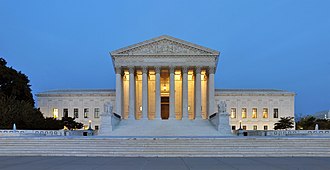
Supreme court
Highest court in a jurisdiction
In most legal jurisdictions, a supreme court, also known as a court of last resort, apex court, high (or final) court of appeal, and court of final appeal, is the highest court within the hierarchy of courts. Broadly speaking, the decisions of a supreme court are binding on all other courts in a nat...

Freedom of speech
Right to communicate one's opinions and ideas
Freedom of speech is a principle that supports the freedom of an individual or a community to articulate their opinions and ideas without fear of retaliation, censorship, or legal sanction. The right to freedom of expression has been recognised as a human right in the Universal Declaration of Human ...
Entity Intersection Graph
Connections for Conversion therapy:
Mentioned Entities
Deep Analysis
Why It Matters
This Supreme Court ruling represents a significant setback for LGBTQ rights and protections for minors, potentially allowing harmful conversion therapy practices to continue in Colorado and potentially other states. The decision prioritizes the free speech and religious freedom of therapists over the well-being and mental health of LGBTQ youth. This ruling could embolden similar challenges in other states with bans, creating a patchwork of legal protections across the country. It also signals the current Supreme Court's approach to balancing individual rights against public health and safety protections for vulnerable populations.
Context & Background
- Conversion therapy, also known as sexual orientation change efforts (SOCE), is a discredited practice that aims to change a person's sexual orientation or gender identity.
- Major medical and mental health organizations including the American Medical Association, American Psychological Association, and American Academy of Pediatrics have condemned conversion therapy as harmful and ineffective.
- As of 2023, 20 states and Washington D.C. had enacted bans on conversion therapy for minors, with Colorado being one of them.
- The practice has been linked to increased rates of depression, anxiety, substance abuse, and suicide attempts among LGBTQ individuals who have undergone it.
- Previous legal challenges to state bans have generally been upheld by lower courts, making this Supreme Court decision particularly significant.
- The Supreme Court has increasingly focused on issues of religious freedom and free speech in recent years, often in cases involving LGBTQ rights.
What Happens Next
Other states with conversion therapy bans may face immediate legal challenges following this precedent. LGBTQ advocacy groups will likely push for legislative solutions at both state and federal levels to protect minors. The ruling may prompt renewed efforts to pass federal legislation banning conversion therapy nationwide, though such efforts have previously faced significant political hurdles. Mental health organizations will likely develop new guidelines and training programs to help therapists navigate the legal landscape while still adhering to ethical standards that oppose conversion therapy.
Frequently Asked Questions
Conversion therapy, also known as sexual orientation change efforts, is a discredited practice that aims to change a person's sexual orientation or gender identity. Major medical and mental health organizations have condemned it as ineffective and harmful.
As of 2023, 20 states and Washington D.C. had enacted bans on conversion therapy for minors. This ruling puts those bans at risk of being challenged and potentially overturned in other states.
The Court ruled that Colorado's ban violated the free speech rights of therapists, specifically a conservative Christian therapist who argued the restriction infringed on their religious freedom and right to counsel clients according to their beliefs.
The ruling could make it harder for LGBTQ youth in states without strong protections to access affirming care, potentially exposing them to harmful practices that have been linked to increased rates of depression, anxiety, and suicide attempts.
Mental health professionals in states with bans may face legal challenges if they refuse to provide conversion therapy, while those who wish to offer it may feel more empowered to do so, creating ethical dilemmas for those who adhere to professional standards opposing the practice.