

Supreme Court rules for Cox in Sony copyright fight over music downloads
#Supreme Court #Cox Communications #Sony Music #copyright infringement #music downloads #internet service provider #legal precedent
📌 Key Takeaways
- Supreme Court ruled in favor of Cox Communications in a copyright case
- The case involved Sony Music and allegations of illegal music downloads
- The decision impacts liability for internet service providers over user actions
- The ruling may set a precedent for future copyright infringement disputes
📖 Full Retelling
🏷️ Themes
Copyright Law, Digital Media
📚 Related People & Topics
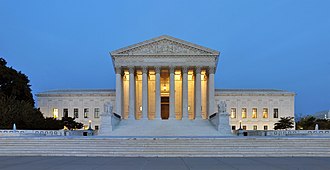
Supreme court
Highest court in a jurisdiction
In most legal jurisdictions, a supreme court, also known as a court of last resort, apex court, high (or final) court of appeal, and court of final appeal, is the highest court within the hierarchy of courts. Broadly speaking, the decisions of a supreme court are binding on all other courts in a nat...
Cox Communications
American cable provider
Cox Communications, Inc. (also known as Cox Cable and formerly Cox Broadcasting Corporation, Dimension Cable Services and Times-Mirror Cable), is an American digital cable television provider, telecommunications and home automation services company. It is the third-largest cable television provider ...

Sony Music
American multinational music recording company
Sony Music Entertainment (SME), commonly known as Sony Music, is an American multinational music company owned by Sony Group Corporation. It is the recording division of Sony Music Group, with the other half being the publishing division, Sony Music Publishing. Founded in 1929 as American Record Cor...
Entity Intersection Graph
Connections for Supreme court:
Mentioned Entities
Deep Analysis
Why It Matters
This Supreme Court ruling is significant because it clarifies the legal standards for internet service provider liability in copyright infringement cases, potentially shielding ISPs from massive damages when their users engage in piracy. The decision affects millions of internet subscribers and content creators by establishing boundaries for how copyright holders can pursue infringement claims against service providers. This ruling could influence future litigation against other ISPs and shape how copyright enforcement is balanced against internet access and innovation.
Context & Background
- The case involved Sony Music and other record labels suing Cox Communications for allegedly failing to prevent subscribers from illegally downloading copyrighted music
- Cox had been ordered to pay $1 billion in damages by a lower court, one of the largest copyright infringement awards in history
- The legal dispute centered on whether Cox qualified for 'safe harbor' protections under the Digital Millennium Copyright Act (DMCA)
- Internet service providers have long sought clarity on their responsibilities when users engage in copyright infringement through their networks
- This case follows years of tension between copyright holders and ISPs over how to address online piracy without disrupting legitimate internet use
What Happens Next
The ruling will likely lead to reduced damages for Cox in this specific case, with the matter returning to lower courts for reconsideration under the Supreme Court's clarified standards. Other ISPs facing similar copyright infringement lawsuits may cite this decision in their defense. Copyright holders may need to adjust their enforcement strategies, potentially focusing more on direct infringers rather than service providers. Congress could face renewed pressure to update copyright laws for the digital age.
Frequently Asked Questions
The Supreme Court ruled that internet service providers like Cox Communications may qualify for certain legal protections against copyright infringement claims when their users illegally download content. The Court clarified the standards under which ISPs can be held liable for their subscribers' actions.
For most internet subscribers, this ruling helps maintain affordable and accessible internet service by limiting ISPs' potential liability costs. However, it may mean copyright holders will pursue individual infringers more aggressively rather than targeting service providers.
The Digital Millennium Copyright Act includes provisions that protect online service providers from liability for copyright infringement by their users, provided they follow certain procedures like responding to takedown notices. This case centered on whether Cox qualified for these protections.
No, copyright holders can still pursue legal action against individual infringers and can still require ISPs to respond to valid takedown notices. The ruling primarily affects when ISPs themselves can be held directly liable for their users' actions.
This decision could influence how courts interpret intermediary liability in other contexts, potentially affecting debates about platform responsibility for various types of user-generated content beyond just copyright infringement.