

Supreme Court sides with Cox Communications in a copyright fight with record labels over downloads
📖 Full Retelling
📚 Related People & Topics
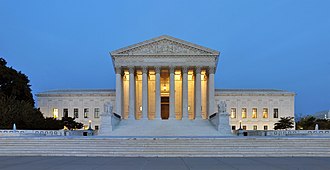
Supreme court
Highest court in a jurisdiction
In most legal jurisdictions, a supreme court, also known as a court of last resort, apex court, high (or final) court of appeal, and court of final appeal, is the highest court within the hierarchy of courts. Broadly speaking, the decisions of a supreme court are binding on all other courts in a nat...
Cox Communications
American cable provider
Cox Communications, Inc. (also known as Cox Cable and formerly Cox Broadcasting Corporation, Dimension Cable Services and Times-Mirror Cable), is an American digital cable television provider, telecommunications and home automation services company. It is the third-largest cable television provider ...
Entity Intersection Graph
Connections for Supreme court:
Mentioned Entities
Deep Analysis
Why It Matters
This Supreme Court decision matters because it clarifies the legal responsibilities of internet service providers regarding copyright infringement by their users. It affects ISPs by potentially reducing their liability for users' illegal downloads, which could impact how aggressively they police their networks. The ruling also impacts record labels and copyright holders by making it harder to hold ISPs accountable for infringement occurring on their platforms. This decision could influence future copyright enforcement strategies and the balance between protecting intellectual property and maintaining open internet access.
Context & Background
- The case stems from a 2018 lawsuit where major record labels sued Cox Communications for allegedly failing to address repeat copyright infringers on its network.
- The Digital Millennium Copyright Act (DMCA) provides 'safe harbor' protections for ISPs that promptly remove infringing content when notified.
- Previous lower court rulings had found Cox liable for willful blindness to infringement, awarding $1 billion in damages to record labels.
- This case represents an ongoing tension between copyright enforcement and intermediary liability in the digital age.
- Similar cases have involved other ISPs and platforms, testing the boundaries of the DMCA's safe harbor provisions.
What Happens Next
Record labels may appeal the decision or seek alternative legal strategies to combat online piracy. Congress could potentially consider legislative changes to the DMCA in response to this ruling. Other pending copyright cases involving ISP liability may be influenced by this precedent. ISPs may adjust their copyright infringement policies and termination practices based on the clarified legal standards.
Frequently Asked Questions
The Court likely focused on interpreting the requirements for ISPs to qualify for DMCA safe harbor protections, particularly regarding what constitutes appropriate action against repeat infringers. The decision probably clarified the threshold for proving an ISP had knowledge of specific infringements.
For most users, this ruling may mean ISPs could be less aggressive in terminating service for alleged copyright violations. However, copyright holders may increase direct legal action against individual infringers if they can't hold ISPs accountable.
Record labels may need to invest more in technological solutions like content filtering rather than relying on ISP enforcement. This could accelerate the industry's shift toward streaming models where piracy is less relevant.
No, ISPs still have obligations under the DMCA, including responding to valid takedown notices. This ruling simply clarifies the standards for when ISPs lose their safe harbor protections and become directly liable.
Smaller ISPs may benefit from reduced legal exposure and compliance costs, as the ruling potentially sets clearer, more manageable standards for addressing infringement claims without facing massive liability.