
SP
BravenNow
Supreme Court takes up oil companies' plea to end climate change lawsuits
| USA | general | ✓ Verified - nbcnews.com

Supreme Court takes up oil companies' plea to end climate change lawsuits

#Supreme Court #Climate change lawsuits #Exxon Mobil #Suncor Energy #Federal vs state jurisdiction #Municipal litigation #Fossil fuel industry #Clean Air Act

📌 Key Takeaways

  • Supreme Court agreed to hear appeal by Exxon Mobil and Suncor to dismiss Colorado climate lawsuit
  • Colorado lawsuit seeks damages for climate change harms including extreme temperatures and wildfires
  • Energy companies argue climate policy is a federal issue, not state matter
  • Court's ruling will impact similar municipal lawsuits nationwide
  • Trump administration supported companies; Biden administration opposed them

📖 Full Retelling

The Supreme Court agreed on Monday to hear an appeal by energy giants Exxon Mobil and Suncor Energy seeking to dismiss a Colorado lawsuit that holds them accountable for climate change costs, with the court's decision likely determining the fate of similar municipal cases nationwide. The companies are challenging a May 2025 Colorado Supreme Court ruling that allowed the City of Boulder and Boulder County to proceed with their case in state court, which alleges that through the marketing, production and sale of fossil fuels, these energy companies bear responsibility for climate change impacts including extreme temperatures and more frequent wildfires. The energy companies argue that climate policy is a purely federal issue, noting that pollution crosses state lines and cannot be addressed on a piecemeal basis, while the municipalities counter that state laws have been violated and state courts are appropriate venues for seeking damages from harms occurring within their jurisdictions.

🏷️ Themes

Climate litigation, Federalism, Corporate accountability

📚 Related People & Topics
Supreme court

Supreme court

Highest court in a jurisdiction

In most legal jurisdictions, a supreme court, also known as a court of last resort, apex court, high (or final) court of appeal, and court of final appeal, is the highest court within the hierarchy of courts. Broadly speaking, the decisions of a supreme court are binding on all other courts in a nat...

View Profile → Wikipedia ↗
ExxonMobil

ExxonMobil

American multinational oil and gas company

Exxon Mobil Corporation ( EK-son MOH-bəl) is an American multinational oil and gas corporation headquartered in Spring, Texas, a suburb of Houston. Founded as the largest direct successor of John D. Rockefeller's Standard Oil, the company was formed in 1999, with the merger of Exxon and Mobil. It is...

View Profile → Wikipedia ↗
Suncor Energy

Suncor Energy

Canadian energy company

Suncor Energy Inc. (French: Suncor Énergie) is a Canadian integrated energy company based in Calgary, Alberta. It specializes in production of synthetic crude from oil sands.

View Profile → Wikipedia ↗
Climate change litigation

Climate change litigation

Use of legal practice to further climate change mitigation

Climate change litigation, also known as climate litigation, is an emerging body of environmental law using legal practice to set case law precedent to further climate change mitigation efforts from public institutions, such as governments and companies. In the face of slow climate change politics d...

View Profile → Wikipedia ↗

Entity Intersection Graph

Connections for Supreme court:

👤 Donald Trump 19 shared
🌐 Tariff 15 shared
🌐 Tariffs in the Trump administration 12 shared
🌐 International Emergency Economic Powers Act 7 shared
🌐 Commercial policy 5 shared
View full profile

Deep Analysis

Why It Matters

The Supreme Court decision will set a national precedent on whether climate change lawsuits against oil companies can proceed, potentially affecting billions of dollars in damages claims by cities and municipalities.

Context & Background

  • Oil companies Suncor and Exxon Mobil are appealing a Colorado lawsuit that seeks damages for climate change impacts.
  • The lawsuit alleges the companies' marketing, production and sale of fossil fuels contributed to extreme temperatures and wildfires.
  • The case could determine if state-level climate damage suits can move forward against major energy firms.

What Happens Next

The Supreme Court will issue a ruling that could either allow the Boulder case to proceed or dismiss it, setting a legal framework for similar lawsuits nationwide. If the case is allowed to continue, other municipalities may file comparable claims seeking billions in damages.

Frequently Asked Questions

What is the main legal issue the Supreme Court is addressing?

Whether state courts can hold oil companies liable for climate change damages, or if the matter is exclusively a federal issue.

Which administrations have taken opposite positions on this case?

The Trump administration supported the oil companies, while the Biden administration opposed them.

What could be the impact if the Supreme Court sides with the oil companies?

It could shut down or limit state-level climate damage lawsuits, leaving cities and municipalities without a legal avenue to seek compensation for climate-related harms.

Original Source
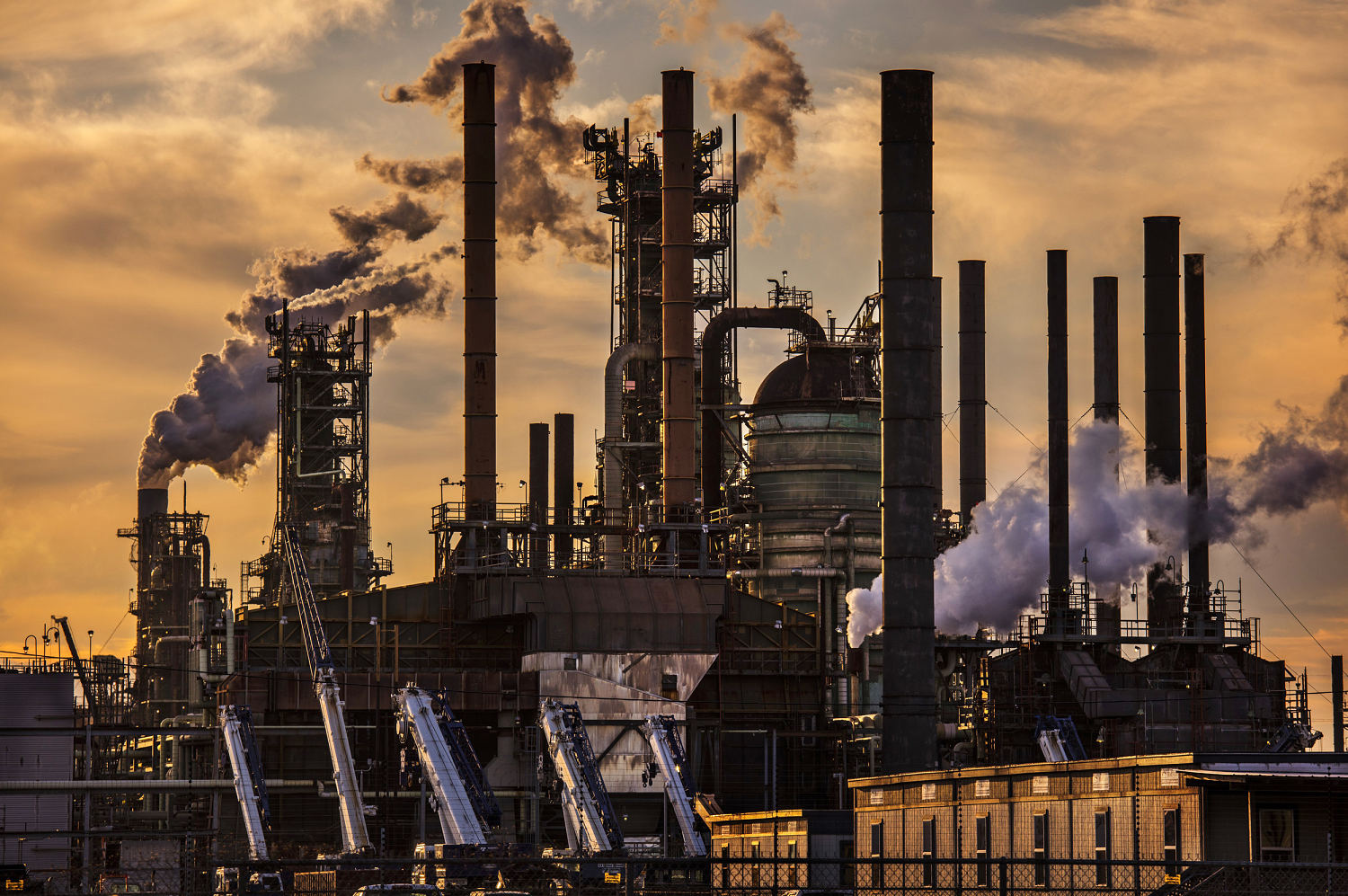
Supreme Court takes up oil companies' plea to end climate change lawsuits The court will hear an appeal brought by Suncor and Exxon Mobil asking it to throw out a lawsuit in Colorado seeking damages for harm caused by the use of fossil fuels. An oil refinery owned by Exxon Mobil in Baton Rouge, La. Barry Lewis / In Pictures via Getty Images file Share Add NBC News to Google Feb. 23, 2026, 9:35 AM EST By Lawrence Hurley WASHINGTON — The Supreme Court agreed on Monday to hear an attempt by energy companies to throw out a lawsuit filed in Colorado seeking to hold them accountable for the costs of climate change. The court's ultimate ruling in the case will have national implications, likely determining whether similar lawsuits filed by cities and municipalities across the country seeking billions of dollars in damages can move forward. Exxon Mobil and Suncor Energy are appealing a May 2025 Colorado Supreme Court ruling that said the lawsuit brought by the City of Boulder and Boulder County could move forward in state court. The lawsuit claims that the companies, via their marketing, production and sale of fossil fuels, bear responsibility for the harms caused by climate change, including extreme temperatures and more frequent wildfires. The plaintiffs allege violations of various state laws, including consumer protection provisions. The companies argue that climate policy is a purely federal issue, in part because pollution crosses state lines and cannot be addressed on a piecemeal basis. Air pollution is regulated via the federal Clean Air Act, but more comprehensive efforts to combat climate change at the national level have stalled, with President Donald Trump's administration particularly opposed to addressing the issue . The Trump and Biden administrations took different positions on the legal question in the case, with the former backing the companies and the latter opposing them. The Trump administration took the rare step of filing a brief urging the court to t...
Read full article at source

Source

nbcnews.com

More from USA

News from Other Countries

🇬🇧 United Kingdom

🇺🇦 Ukraine