#Supreme Court#conversion therapy#First Amendment#LGBTQ+ youth#Colorado law#Chiles v. Salazar#free speech#mental health
📌 Key Takeaways
The US Supreme Court struck down Colorado's ban on conversion therapy for minors.
The ruling was based on the First Amendment, protecting counselors' free speech rights.
The decision jeopardizes similar laws in 22 other states.
The ruling is criticized for removing protections for LGBTQ+ youth from a practice deemed harmful by major medical associations.
📖 Full Retelling
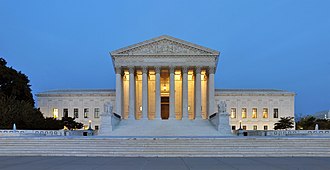
The Supreme Court of the United States, in a landmark ruling on the case Chiles v. Salazar, has invalidated a Colorado state law that banned licensed professional counselors from practicing conversion therapy on minors. The decision, issued recently, was based on the Court's interpretation that the Colorado statute violated the First Amendment rights of counselors by infringing on their free speech. This ruling immediately nullifies protections for LGBTQ+ youth in Colorado and casts significant legal doubt on the viability of similar bans enacted in 22 other states across the nation.
The Court's majority opinion framed the issue primarily as one of professional speech, arguing that the state's prohibition constituted unconstitutional compelled speech and viewpoint discrimination against therapists who wish to engage in conversations aimed at changing a minor's sexual orientation or gender identity. The decision marks a pivotal shift in the legal landscape, prioritizing the speech rights of healthcare providers over the state's interest in protecting minors from practices widely condemned by major medical and mental health associations, including the American Psychological Association and the American Medical Association.
Legal experts and advocacy groups warn that the ruling effectively erases legal recognition and protection for gay and transgender identities of young people in the context of therapeutic care. It creates a pathway for state-licensed professionals to engage in practices deemed harmful without facing professional discipline under these now-invalidated laws. The decision is expected to trigger immediate legal challenges in other states with similar bans and will likely reignite political and cultural debates over the rights of LGBTQ+ youth versus religious liberty and professional autonomy.
The dissenting justices, along with numerous civil rights organizations, condemned the ruling as a dangerous precedent that abandons vulnerable minors to discredited and psychologically damaging practices. They argue that the state has a compelling interest in regulating professional conduct to prevent demonstrable harm, an interest they believe should outweigh a broad interpretation of professional speech in this context. The fallout from this decision is anticipated to extend beyond therapy rooms into broader battles over anti-discrimination laws and the scope of state power to regulate healthcare practices for protected classes.
In most legal jurisdictions, a supreme court, also known as a court of last resort, apex court, high (or final) court of appeal, and court of final appeal, is the highest court within the hierarchy of courts. Broadly speaking, the decisions of a supreme court are binding on all other courts in a nat...
1791 amendment limiting government restriction of civil liberties
The First Amendment (Amendment I) to the United States Constitution prevents Congress from making laws respecting an establishment of religion; prohibiting the free exercise of religion; or abridging the freedom of speech, the freedom of the press, the freedom of assembly, or the right to petition t...
The law of Colorado consists of several levels, including constitutional, statutory, regulatory, local, and case law. The Colorado Revised Statutes form the general statutory law.
In its recent decision in Chiles v. Salazar, the Supreme Court invalidated Colorado’s law prohibiting licensed counselors from engaging in efforts to change the sexual orientation or gender identity of minors. The decision, which throws into question similar laws in 22 other states, relied on the First Amendment to hold that the law violates counselors’ free speech...