
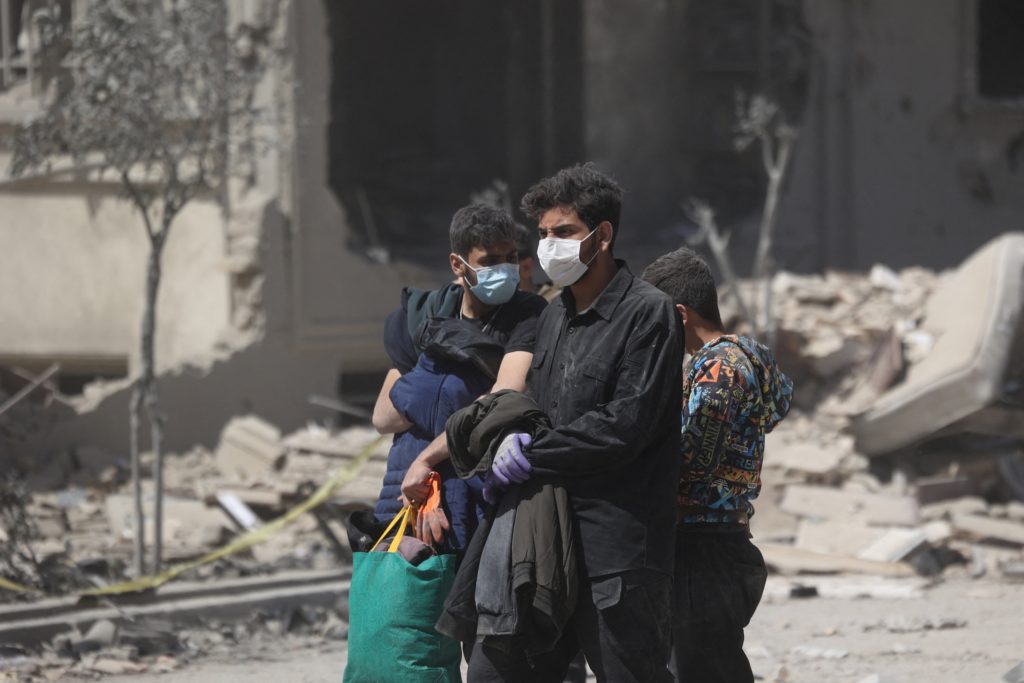
Tehran power outages raise alarm as Iranians fear strikes on critical infrastructure
📖 Full Retelling
📚 Related People & Topics

Iran
Country in West Asia
# Iran **Iran**, officially the **Islamic Republic of Iran** and historically known as **Persia**, is a sovereign country situated in West Asia. It is a major regional power, ranking as the 17th-largest country in the world by both land area and population. Combining a rich historical legacy with a...

Tehran
Capital and largest city of Iran
Tehran is the capital and largest city of Iran. It is also the capital of Tehran province and the administrative center for Tehran County and its Central District. With a population of around 9 million in the city, and 16.8 million in the metropolitan area, Tehran is the most populous city in Iran a...
Entity Intersection Graph
Connections for Iran:
Mentioned Entities
Deep Analysis
Why It Matters
This news matters because power outages in Tehran signal potential vulnerabilities in Iran's critical infrastructure during a period of heightened regional tensions. It directly affects Tehran's 9 million residents who face disruptions to daily life, businesses, and essential services. The situation raises national security concerns as infrastructure weaknesses could be exploited by adversaries, while also highlighting domestic governance challenges in maintaining basic utilities.
Context & Background
- Iran has faced recurring power shortages in recent summers due to aging infrastructure, drought affecting hydroelectric power, and increased domestic consumption
- Critical infrastructure in Iran has been targeted previously, including cyberattacks on nuclear facilities and physical strikes attributed to Israel
- Iran's energy sector has been under strain from international sanctions limiting access to technology and spare parts for maintenance and upgrades
- Regional tensions have escalated since October 2023 with Iran-backed groups attacking Israeli and US interests, increasing fears of retaliatory strikes
What Happens Next
Iranian authorities will likely investigate the outages' causes while increasing security around power facilities. If outages continue or spread, public discontent may grow, potentially leading to protests. Regional adversaries might monitor these vulnerabilities for potential future operations. The government may implement energy rationing or import emergency equipment to stabilize the grid.
Frequently Asked Questions
Outages result from multiple factors including aging infrastructure, increased summer demand, drought reducing hydro capacity, and potential sabotage. Sanctions have limited maintenance capabilities, making the grid more vulnerable to failures.
Outages disrupt transportation, healthcare, businesses, and home life. Hospitals rely on generators, while traffic lights fail and metro services halt. Residents face heat without air conditioning and food spoilage without refrigeration.
While possible, most outages appear to be infrastructure failures. However, Iran has accused Israel of previous infrastructure attacks, making sabotage a legitimate concern during current regional tensions.
Infrastructure vulnerabilities become strategic concerns during conflicts. Adversaries may target utilities to pressure governments without direct military confrontation, while governments must protect these systems as national security assets.
Iran has significant oil and gas reserves but struggles with electricity generation and distribution. The grid serves 85 million people with limited redundancy, making localized failures affect large populations.