
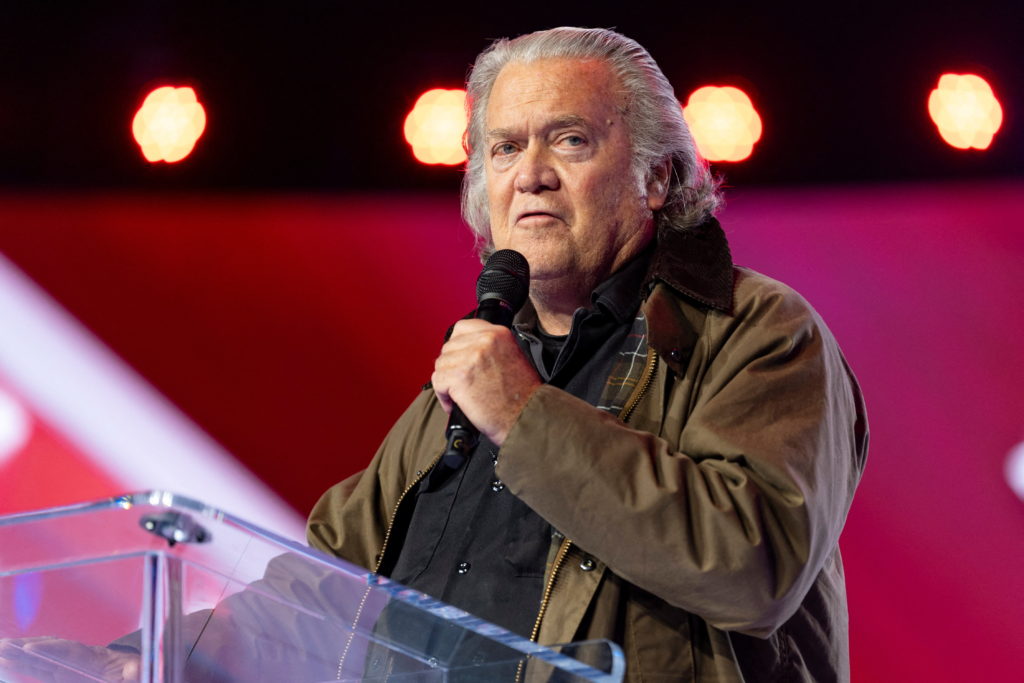
The right is openly divided over the Iran war as conservatives gather for CPAC
#CPAC #Iran war #conservatives #political division #foreign policy #interventionism #right-wing
📌 Key Takeaways
- Conservatives are publicly split on military action against Iran.
- The division is occurring during the CPAC gathering of conservative activists.
- The debate reflects broader ideological rifts within the right.
- Foreign policy and interventionism are central points of contention.
📖 Full Retelling
🏷️ Themes
Political Division, Foreign Policy
📚 Related People & Topics
List of wars involving Iran
This is a list of wars involving the Islamic Republic of Iran and its predecessor states. It is an unfinished historical overview.
Entity Intersection Graph
Connections for CPAC:
Mentioned Entities
Deep Analysis
Why It Matters
This division within the conservative movement matters because it reveals fundamental disagreements about foreign policy strategy at a time when tensions with Iran remain high. It affects Republican lawmakers, conservative activists, and voters who must navigate competing visions for America's role in the Middle East. The split could influence upcoming elections, policy decisions, and the overall direction of the Republican Party's foreign policy platform.
Context & Background
- CPAC (Conservative Political Action Conference) is an annual gathering that has historically shaped conservative movement priorities and showcased potential presidential candidates
- Iran has been a consistent foreign policy focus for conservatives since the 1979 Iranian Revolution and hostage crisis
- The Trump administration's 2020 drone strike that killed Iranian General Qasem Soleimani escalated tensions and divided some conservatives
- Neoconservative foreign policy (interventionist) and nationalist/isolationist strains have competed within the Republican Party for decades
What Happens Next
Expect continued public disagreements during CPAC panels and speeches, with different factions advocating for either military confrontation or diplomatic engagement with Iran. The division will likely influence the 2024 Republican primary debates, where candidates will need to articulate clear Iran policies. Congressional Republicans may face pressure to take unified positions on Iran-related legislation and funding in coming months.
Frequently Asked Questions
One faction favors military confrontation or maximum pressure campaigns against Iran, viewing it as an existential threat. Another faction prefers diplomatic engagement or non-intervention, arguing that military action would be costly and counterproductive.
The lack of conservative consensus could weaken U.S. negotiating leverage and create mixed signals to allies and adversaries. It may result in inconsistent policy approaches depending on which faction gains influence within the administration or Congress.
CPAC attracts conservative leaders, activists, and media who shape movement priorities. Public disagreements here signal deep ideological rifts that could influence candidate endorsements, fundraising, and voter mobilization efforts.
The Iran division reflects the ongoing tension between interventionist 'neoconservative' approaches and the 'America First' nationalist/isolationist tendencies that gained prominence during the Trump presidency.