

The rise of Mojtaba Khamenei
#Mojtaba Khamenei #Iran #political influence #Supreme Leader #succession #Ayatollah Ali Khamenei #analysts
📌 Key Takeaways
- Mojtaba Khamenei is gaining political influence in Iran.
- His rise is linked to his father, Supreme Leader Ayatollah Ali Khamenei.
- This development could impact Iran's future leadership succession.
- His increasing prominence is being closely watched by analysts.
📖 Full Retelling
🏷️ Themes
Iranian Politics, Leadership Succession
📚 Related People & Topics

Ali Khamenei
Supreme Leader of Iran since 1989
Ali Hosseini Khamenei (born 19 April 1939) is an Iranian cleric and politician who has served as the second supreme leader of Iran since 1989. He previously served as the third president of Iran from 1981 to 1989. His tenure as supreme leader, spanning 36 years, makes him the longest-serving head of...
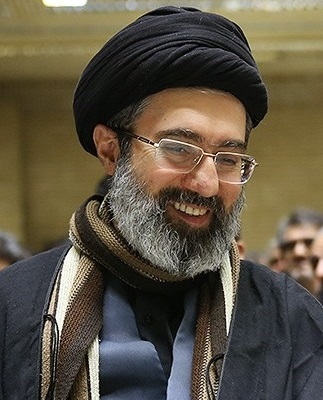
Mojtaba Khamenei
Iranian politician and cleric (born 1969)
Mojtaba Hosseini Khamenei (born 8 September 1969) is an Iranian politician and Muslim cleric. The second eldest child of Ali Khamenei, the former supreme leader of Iran, Mojtaba Khamenei served in the Iran–Iraq War from 1987 to 1988, and also reportedly took control of the Basij that was used to sup...

Iran
Country in West Asia
# Iran **Iran**, officially the **Islamic Republic of Iran** and historically known as **Persia**, is a sovereign country situated in West Asia. It is a major regional power, ranking as the 17th-largest country in the world by both land area and population. Combining a rich historical legacy with a...
Supreme Leader
Topics referred to by the same term
A supreme leader or supreme ruler is a powerful figure with an unchallenged authority.
Entity Intersection Graph
Connections for Ali Khamenei:
View full profileMentioned Entities
Deep Analysis
Why It Matters
This development matters because Mojtaba Khamenei is the second son of Iran's Supreme Leader Ayatollah Ali Khamenei and has been increasingly visible in political and religious circles. His rising profile suggests potential succession considerations for Iran's highest leadership position, which would affect Iran's domestic politics, regional policies, and international relations. This matters to Iranian citizens, regional neighbors, global powers engaged with Iran, and observers of Middle Eastern geopolitics as it could signal future directions for the Islamic Republic's governance structure.
Context & Background
- Ayatollah Ali Khamenei has served as Iran's Supreme Leader since 1989 following the death of Ayatollah Ruhollah Khomeini
- The Supreme Leader is Iran's highest authority with control over military, judiciary, media, and foreign policy decisions
- Succession to the Supreme Leadership position is determined by the Assembly of Experts, an 88-member clerical body
- Mojtaba Khamenei (born 1969) has maintained a relatively low public profile compared to his father but has been involved in religious education and political circles
- Iran's leadership transition processes have historically been contentious with significant political implications
What Happens Next
Observers will monitor Mojtaba Khamenei's increasing public appearances and institutional roles within Iran's power structures. The Assembly of Experts may begin more serious discussions about succession planning as Ayatollah Ali Khamenei ages (currently 85). Regional and international analysts will assess how different factions within Iran's political establishment respond to Mojtaba's growing influence, particularly during the next presidential election cycle in 2025.
Frequently Asked Questions
Mojtaba Khamenei is the second son of Iran's current Supreme Leader Ayatollah Ali Khamenei. He has been involved in religious scholarship and maintains connections with Iran's Revolutionary Guard Corps and conservative political factions.
Iran's Supreme Leader is selected by the Assembly of Experts, an elected body of Islamic clerics. The position is for life, and the selection process involves complex political and religious considerations among Iran's power centers.
His increasing visibility comes as his father ages and Iran faces multiple challenges including economic pressures and regional tensions. This timing suggests potential succession planning within Iran's highest leadership circles.
A potential leadership transition could affect Iran's regional alliances, nuclear negotiations, and relations with Western powers. Different candidates might pursue varying approaches to these longstanding issues.
Opinions vary significantly, with some conservatives supporting continuity while reformists and many citizens express concern about dynastic rule contradicting revolutionary ideals of meritocratic Islamic governance.