

The Supreme Court Could Make it Harder to Vote by Mail in the Midterms
#Supreme Court #mail-in voting #midterm elections #voter access #ballot regulations
📌 Key Takeaways
- The Supreme Court is considering a case that may restrict mail-in voting access.
- The ruling could impact procedures for the upcoming midterm elections.
- Legal challenges focus on the validity of certain mail-in ballot regulations.
- The decision may influence voter turnout and election administration strategies.
📖 Full Retelling
🏷️ Themes
Voting Rights, Election Law
📚 Related People & Topics
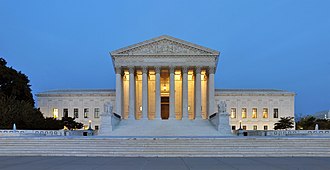
Supreme court
Highest court in a jurisdiction
In most legal jurisdictions, a supreme court, also known as a court of last resort, apex court, high (or final) court of appeal, and court of final appeal, is the highest court within the hierarchy of courts. Broadly speaking, the decisions of a supreme court are binding on all other courts in a nat...
Entity Intersection Graph
Connections for Supreme court:
Mentioned Entities
Deep Analysis
Why It Matters
This news is important because it directly impacts voting accessibility for millions of Americans, particularly the elderly, disabled, and those in rural areas who rely on mail-in ballots. It could influence the outcome of the midterm elections by potentially reducing voter turnout in key states. The decision also reflects broader debates over election integrity versus voter suppression, affecting public trust in democratic processes.
Context & Background
- Mail-in voting expanded significantly during the 2020 COVID-19 pandemic, with over 65 million Americans using it in the presidential election.
- The Supreme Court has previously ruled on voting rights cases, such as Shelby County v. Holder (2013), which weakened parts of the Voting Rights Act.
- Multiple states have passed laws since 2020 restricting mail-in voting, citing concerns over election security despite no widespread fraud evidence.
- The Court's conservative 6-3 majority has shown willingness to intervene in election-related cases, as seen in decisions on gerrymandering and ballot deadlines.
What Happens Next
The Supreme Court is likely to issue a ruling before the midterm elections in November, potentially setting new restrictions on mail-in voting procedures. States may need to quickly adjust their election laws and voter education campaigns. Legal challenges could arise in lower courts if the decision is narrow or ambiguous, leading to further litigation.
Frequently Asked Questions
The article does not name a specific case, but it likely refers to pending challenges to state mail-in voting laws, such as those in Arizona or Pennsylvania, where courts have debated signature matching, drop boxes, or deadlines.
If the Court restricts mail-in voting, turnout may decrease, especially among groups like seniors or people with health issues who prefer voting by mail. This could skew election results in competitive districts.
Voters might shift to early in-person voting or Election Day voting, but this could lead to longer lines and accessibility issues. Some states may expand other options, like ballot drop boxes, depending on local laws.
Proponents argue restrictions prevent fraud and ensure election integrity, while opponents say they disenfranchise voters and are based on unproven fraud claims, disproportionately affecting marginalized communities.
Past rulings, like Citizens United (2010) on campaign finance and Shelby County (2013) on voting protections, have reshaped election laws, often leading to more state-level control and varied voting access across the U.S.