
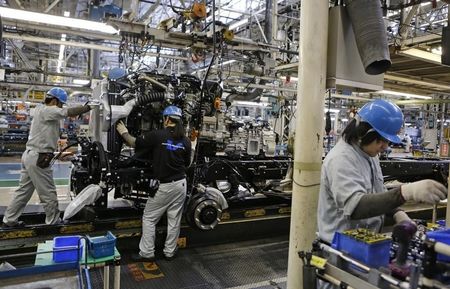
Tokyo urges U.S. to honor trade terms as 15% blanket levy looms
#Tokyo #U.S. #trade terms #tariff #imports #bilateral #Japan
📌 Key Takeaways
- Japan is urging the U.S. to adhere to existing trade agreements.
- A potential 15% blanket tariff on imports is approaching.
- The tariff could impact bilateral trade relations between Japan and the U.S.
- The situation highlights ongoing trade tensions between the two nations.
🏷️ Themes
Trade Policy, International Relations
📚 Related People & Topics

Japan
Country in East Asia
Japan is an island country in East Asia. Located in the Pacific Ocean off the northeast coast of the Asian mainland, it is bordered to the west by the Sea of Japan and extends from the Sea of Okhotsk in the north to the East China Sea in the south. The Japanese archipelago consists of four major isl...

Tokyo
Capital and most populous city in Japan
Tokyo, officially the Tokyo Metropolis, is the capital and most populous city of Japan. With a population of over 14 million in the city proper in 2023, it is one of the most populous urban areas in the world. The Greater Tokyo Area, which includes Tokyo and parts of six neighboring prefectures, is ...
Entity Intersection Graph
Connections for Japan:
Mentioned Entities
Deep Analysis
Why It Matters
This news matters because it signals potential escalation in U.S.-Japan trade tensions that could disrupt global supply chains and increase costs for consumers and businesses. Japan is the United States' fourth-largest trading partner, and any new tariffs would affect billions of dollars in bilateral trade. The situation impacts multinational corporations operating in both countries, particularly in automotive, electronics, and agricultural sectors. If implemented, the 15% blanket levy could trigger retaliatory measures and undermine recent diplomatic efforts to strengthen the U.S.-Japan alliance.
Context & Background
- The U.S. and Japan have maintained a major trade relationship since World War II, with Japan being a key ally in Asia-Pacific security arrangements.
- Recent U.S. trade policy has shifted toward more protectionist measures under various administrations, including tariffs on steel, aluminum, and other goods from multiple countries.
- Japan and the U.S. previously negotiated trade agreements in 2019-2020 that addressed agricultural market access and digital trade, which were meant to reduce tensions.
- The U.S. has used Section 232 of the Trade Expansion Act of 1962 to impose tariffs on national security grounds, a controversial approach that trading partners have challenged at the WTO.
- Japan's economy relies heavily on exports, and the U.S. is its second-largest export market after China, making trade stability crucial for Japanese economic growth.
What Happens Next
Japan will likely intensify diplomatic efforts through channels like the G7 and bilateral meetings to persuade the U.S. to reconsider the levy. If the U.S. proceeds, Japan may file a complaint with the World Trade Organization and consider targeted retaliatory tariffs on U.S. goods. The situation could influence upcoming trade negotiations between the U.S. and other partners, and may affect discussions in forums like the Indo-Pacific Economic Framework. Watch for announcements from the U.S. Trade Representative's office regarding implementation timelines and potential exemptions.
Frequently Asked Questions
A blanket levy is a broad tariff applied uniformly across many product categories from a specific country, rather than targeting specific goods. This approach creates widespread trade disruption compared to selective tariffs that focus on particular industries or products.
The U.S. may cite trade imbalances, national security concerns, or strategic economic competition as justification. Despite the alliance, trade disputes often arise from domestic political pressures, protectionist policies, or attempts to gain leverage in broader negotiations.
U.S. consumers could face higher prices for Japanese automobiles, electronics, and machinery, while Japanese consumers might see increased costs for American agricultural products and energy exports. Businesses in both countries would face supply chain disruptions and reduced competitiveness.
Japan can challenge the tariffs through WTO dispute settlement procedures, though this process is slow. Alternatively, Japan could seek bilateral negotiations or use diplomatic channels like summit meetings to resolve the issue before implementation.
While possible, both countries have strong incentives to avoid a full-scale trade war given their deep economic interdependence and shared security interests. More likely would be targeted retaliatory measures followed by negotiated compromises to de-escalate tensions.