
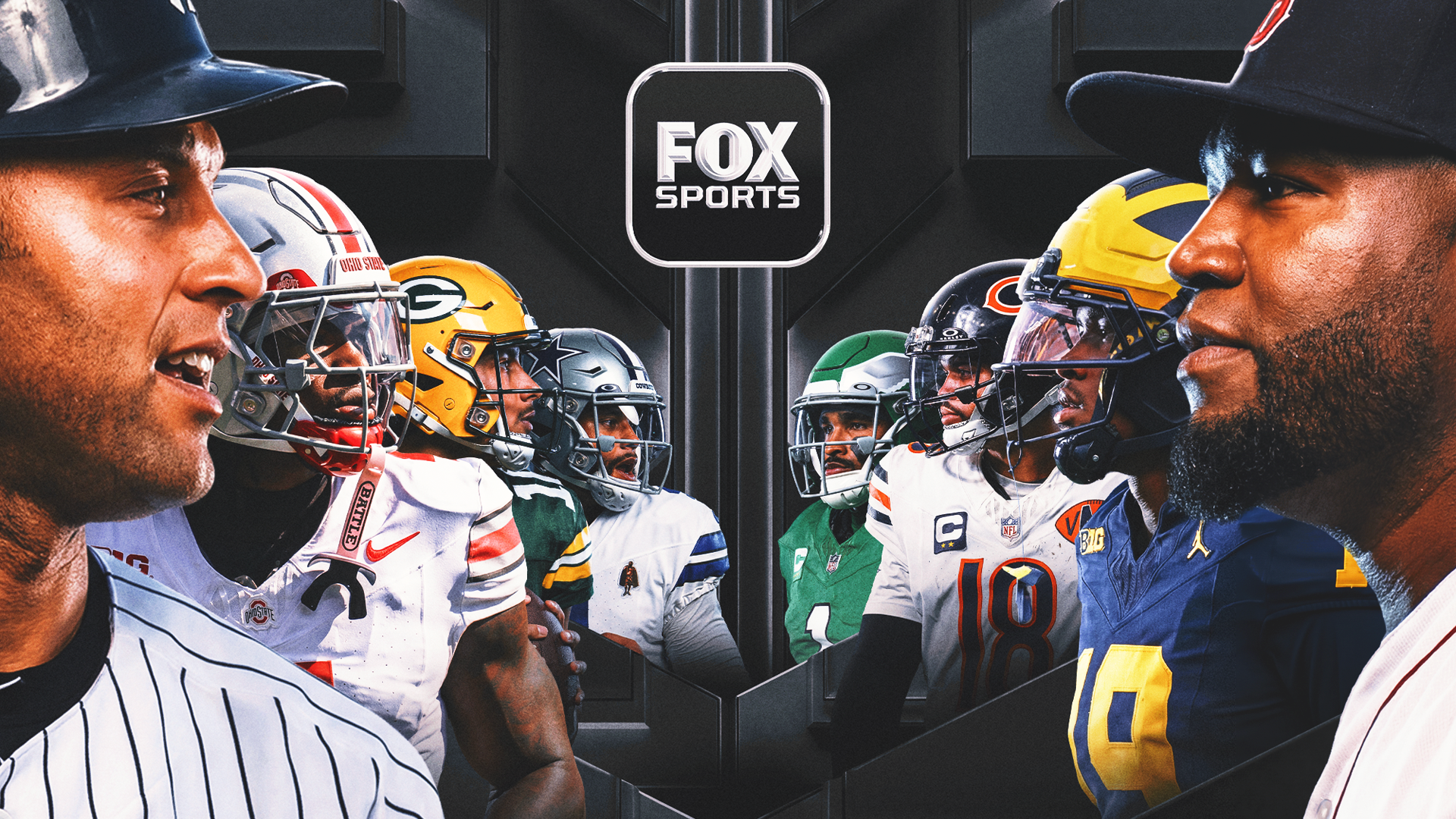
Top 10 North American Sports Rivalries: From USA vs. Mexico to Ohio State vs. Michigan
#North America #Dodgers vs Giants #historic rivalries #sports animosity #postseason battles
📌 Key Takeaways
- The article lists top North American sports rivalries, emphasizing their historical depth and emotional intensity.
- Rivalries like Dodgers vs. Giants date back to the 1800s, featuring iconic moments and occasional on-field violence.
- Geographical proximity and historical competition heighten animosity between teams and their fan bases.
- Recent dominance shifts, such as the Dodgers' success, have cooled some rivalries but postseason matchups reignite them.
📖 Full Retelling
🏷️ Themes
Sports Rivalries, Historical Context
📚 Related People & Topics

North America
Continent
North America is a continent in the Northern and Western hemispheres. North America is bordered to the north by the Arctic Ocean, to the east by the Atlantic Ocean, to the southeast by South America and the Caribbean Sea, and to the south and west by the Pacific Ocean. The region includes Middle Ame...
Ohio State University
Public university in Columbus, Ohio, US
The Ohio State University (Ohio State, tOSU, or OSU) is a public, land-grant research university in Columbus, Ohio, United States. Founded in 1870, it is the flagship institution of the University System of Ohio. It is regarded as a "Public Ivy" and is consistently ranked among the best public unive...
Entity Intersection Graph
Connections for North America:
View full profileMentioned Entities
Deep Analysis
Why It Matters
This article matters because it highlights cultural touchstones that define regional identities and fan loyalties across North America. These rivalries affect millions of sports fans who build traditions, community connections, and personal identities around these historic matchups. The article also illustrates how sports rivalries reflect broader social dynamics, including regional pride, historical tensions, and evolving competitive landscapes. For media companies and sports organizations, these rivalries represent valuable intellectual property that drives viewership, ticket sales, and merchandise revenue.
Context & Background
- Sports rivalries in North America often trace back to geographic proximity, historical competitive balance, and cultural differences between regions or fan bases
- Many baseball rivalries like Dodgers-Giants originated in the late 1800s/early 1900s when professional sports leagues were establishing themselves as national entertainment
- College football rivalries like Ohio State-Michigan emerged alongside the development of American higher education institutions and their athletic programs in the late 19th century
- USA vs. Mexico soccer rivalry reflects broader geopolitical and cultural dynamics between the two neighboring nations
- The relocation of teams like the Dodgers and Giants from New York to California in 1958 created new geographic dimensions to existing rivalries
What Happens Next
These rivalries will continue to evolve with changing team fortunes, player movements, and fan engagement patterns. Upcoming seasons will see renewed intensity in matchups like Dodgers-Giants if competitive balance improves. Media companies will likely create more specialized content around these rivalries to capitalize on fan interest. Some rivalries may expand into new formats like international exhibition games or streaming-exclusive coverage.
Frequently Asked Questions
Sports rivalries create cultural traditions, strengthen community bonds, and generate significant economic activity through tourism, merchandise, and media rights. They often reflect deeper historical, geographic, or social tensions between regions or groups, making them meaningful beyond just athletic competition.
Rivalries have evolved from primarily local affairs to national media events, with changes in player mobility, league structures, and broadcasting technologies altering their dynamics. Some have maintained consistent intensity while others fluctuate based on team competitiveness, with geographic relocations occasionally reshaping traditional matchups.
Sustainable rivalries typically require geographic proximity, historical competitive balance, memorable moments or controversies, and cultural significance that transcends individual players or seasons. Institutional continuity of teams and fan traditions across generations helps maintain these rivalries even during periods of competitive imbalance.
League expansion, revenue sharing, free agency, and national television contracts can sometimes dilute traditional rivalries by reducing geographic necessity or competitive consistency. However, leagues often intentionally schedule and promote historic rivalries to capitalize on their commercial value and fan interest.