
Transcript: Govs. Laura Kelly of Kansas, Andy Beshear of Kentucky, Mike Braun of Indiana and Mike DeWine of Ohio on "Face the Nation with Margaret Brennan," Feb. 22, 2026
#Tariffs #Supreme Court #Trade Policy #Manufacturing #Agriculture #Governors #Face the Nation #Economic Impact
📌 Key Takeaways
- Supreme Court ruled 6-3 that President Trump exceeded authority with tariffs using 1977 law
- Tariffs caused significant harm to agricultural sectors in multiple states
- Governors held mixed views on tariffs' effectiveness for manufacturing job creation
- Bipartisan group called for more stable and thoughtful trade policy implementation
- President Trump expressed displeasure with ruling and indicated seeking alternatives
📖 Full Retelling
🏷️ Themes
Trade Policy, Economic Impact, Presidential Authority, Bipartisan Governance
📚 Related People & Topics
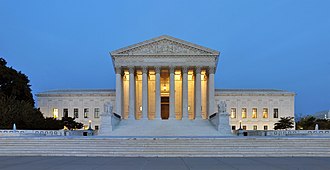
Supreme court
Highest court in a jurisdiction
In most legal jurisdictions, a supreme court, also known as a court of last resort, apex court, high (or final) court of appeal, and court of final appeal, is the highest court within the hierarchy of courts. Broadly speaking, the decisions of a supreme court are binding on all other courts in a nat...

Manufacturing
Industrial activity producing goods for sale using labor and machines
Manufacturing is the creation or production of goods with the help of equipment, labor, machines, tools, and chemical or biological processing or formulation. It is the essence of the secondary sector of the economy. The term may refer to a range of human activity, from handicraft to high-tech, but ...

Tariff
Goods import or export tax
A tariff or import tax is a duty imposed by a national government, customs territory, or supranational union on imports of goods and is paid by the importer. Exceptionally, an export tax may be levied on exports of goods or raw materials and is paid by the exporter. Besides being a source of revenue...

Agriculture
Cultivation of plants and animals to produce foods, fibers, fuels, and raw materials
Agriculture is the practice of cultivating the soil, planting, raising, and harvesting both food and non-food crops, as well as livestock production. Broader definitions also include forestry and aquaculture. Agriculture was a key factor in the rise of sedentary human civilization, whereby farming o...
Entity Intersection Graph
Connections for Supreme court:
Deep Analysis
Why It Matters
The Supreme Court's ruling that President Trump exceeded his authority on tariffs has significant economic implications for states reliant on agriculture and manufacturing. It highlights the constitutional limits on executive power regarding trade policy. The decision directly impacts industries like agriculture in Kansas and bourbon in Kentucky that were harmed by retaliatory tariffs.
Context & Background
- Supreme Court ruled 6-3 that President Trump exceeded authority imposing tariffs using a 1977 law
- A dozen states and small businesses sued over the tariffs, leading to the court case
- Tariffs have caused economic strain in agricultural and manufacturing sectors
- Governors from both parties expressed mixed views on the tariffs' effects
- President Trump announced a new 10% global tariff plan after the ruling
What Happens Next
President Trump is expected to explore other legal avenues to implement his tariff policies, including using temporary authorities. The administration may attempt to negotiate new trade deals or seek congressional approval for tariff measures. The ruling creates uncertainty for businesses relying on stable trade policy.
Frequently Asked Questions
The Supreme Court ruled 6-3 that President Trump exceeded his authority when imposing tariffs using a 1977 law.
Tariffs negatively impacted agricultural sectors in states like Kansas and Kentucky's bourbon industry, while some manufacturing states saw potential benefits.
President Trump expressed displeasure with the ruling and announced a new 10% global tariff plan, indicating he will continue pursuing tariff policies.
Governors emphasized the need for trade stability and expressed concern about tariffs creating economic chaos and uncertainty for businesses.